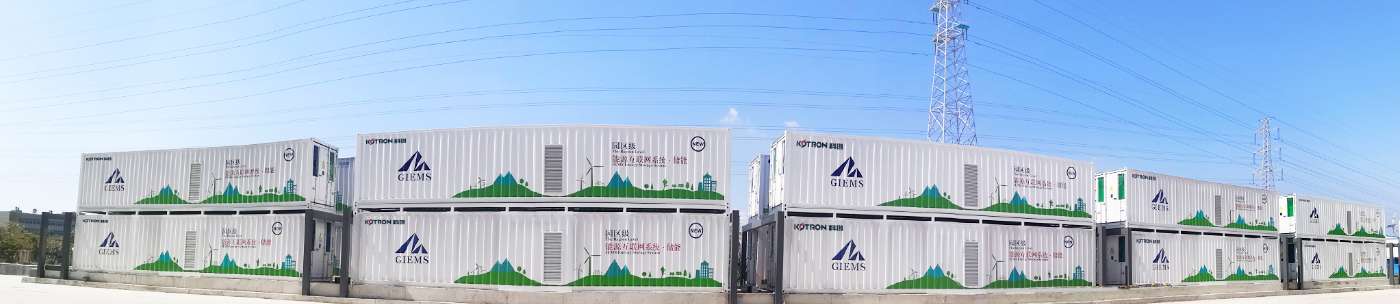
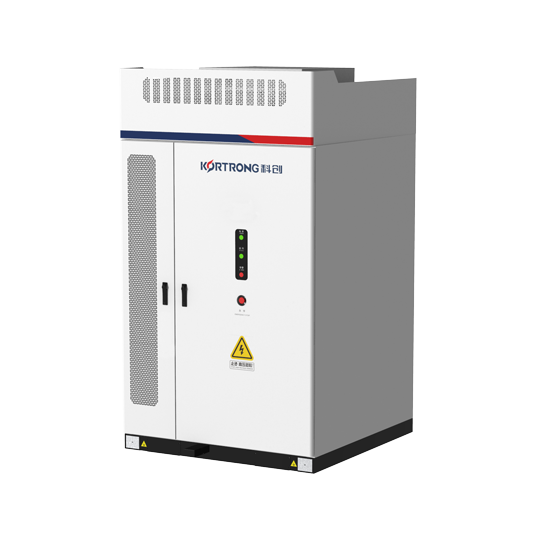
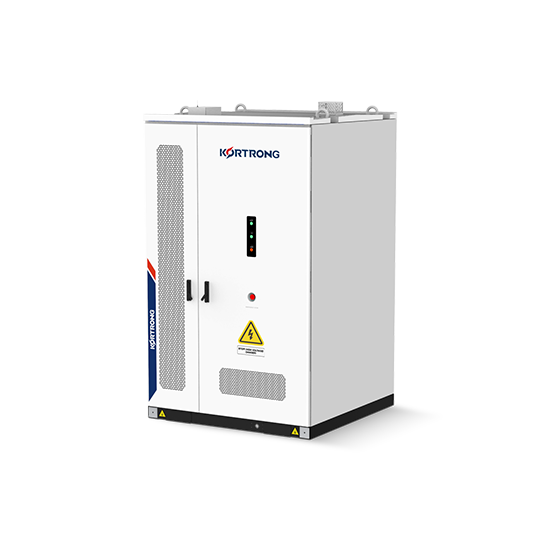
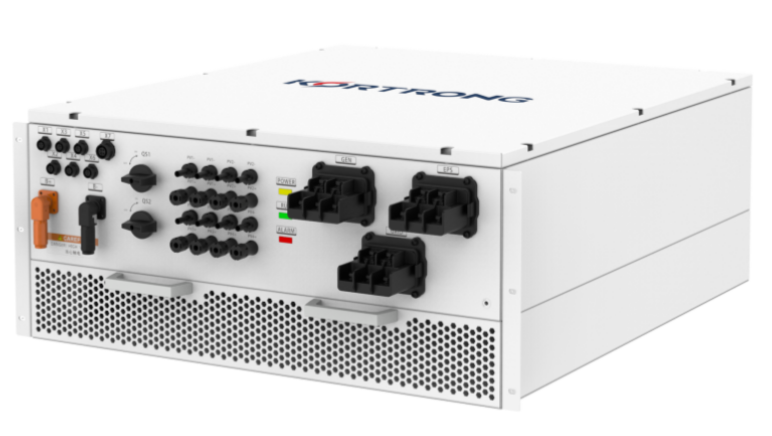
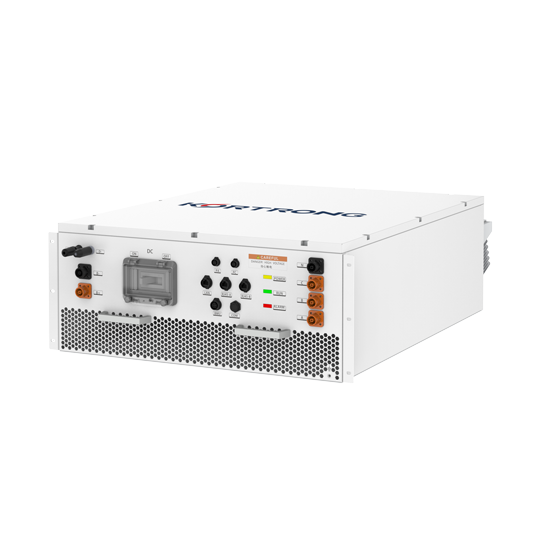
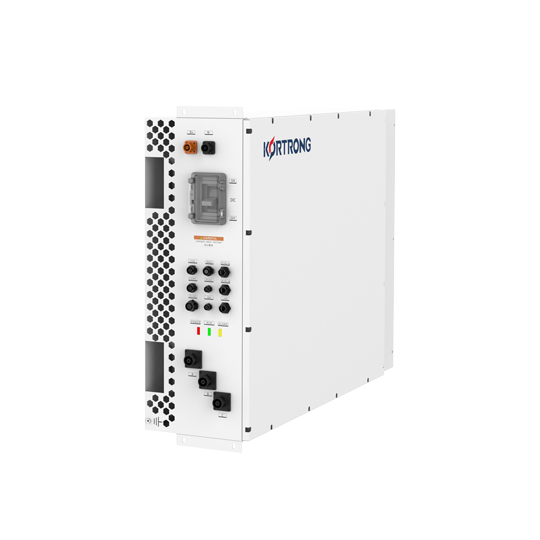
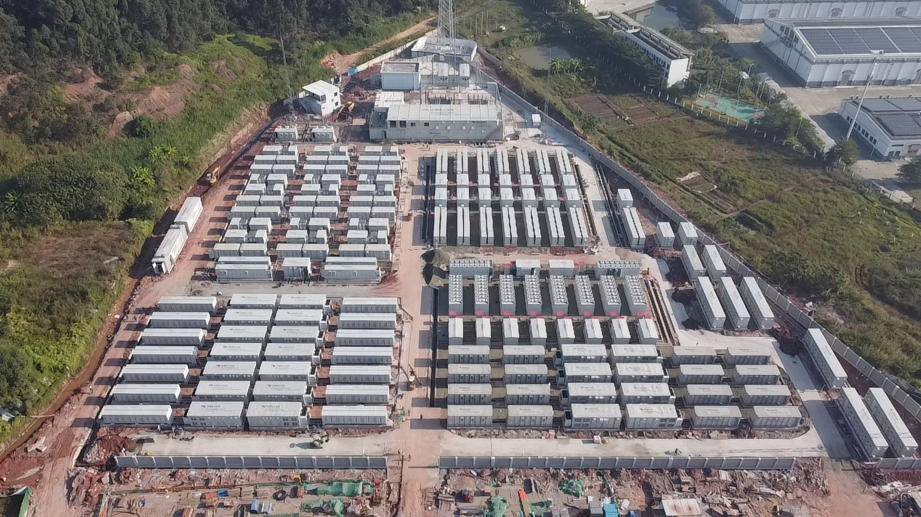
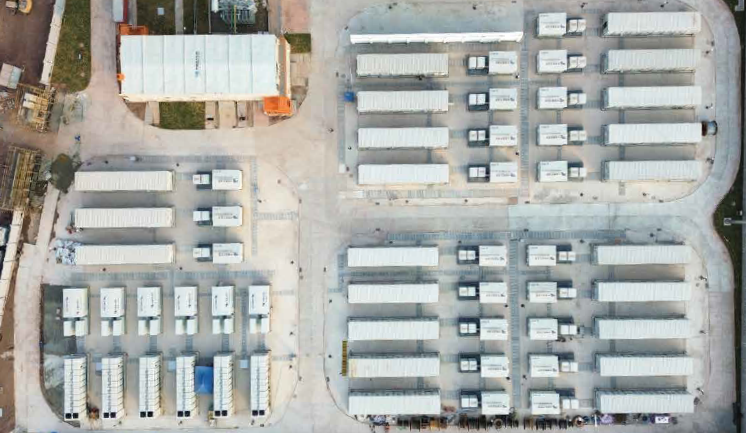
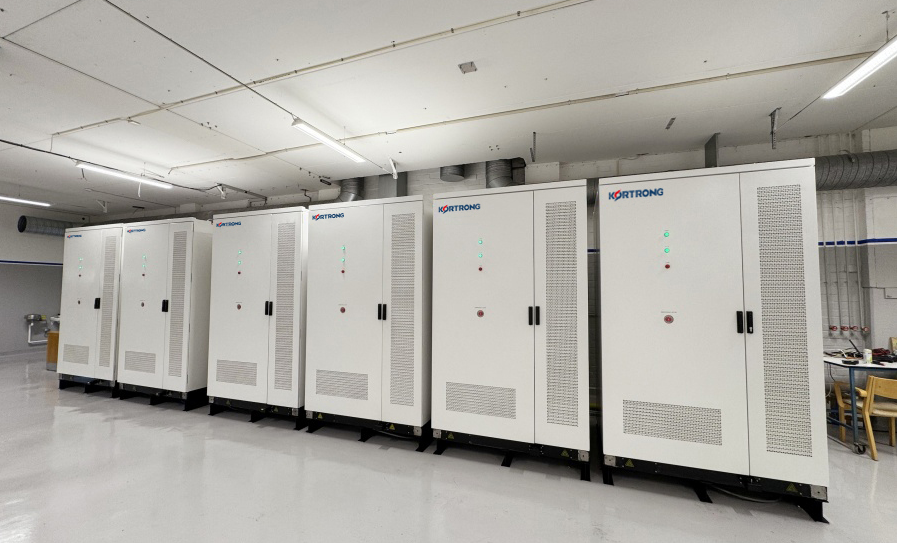
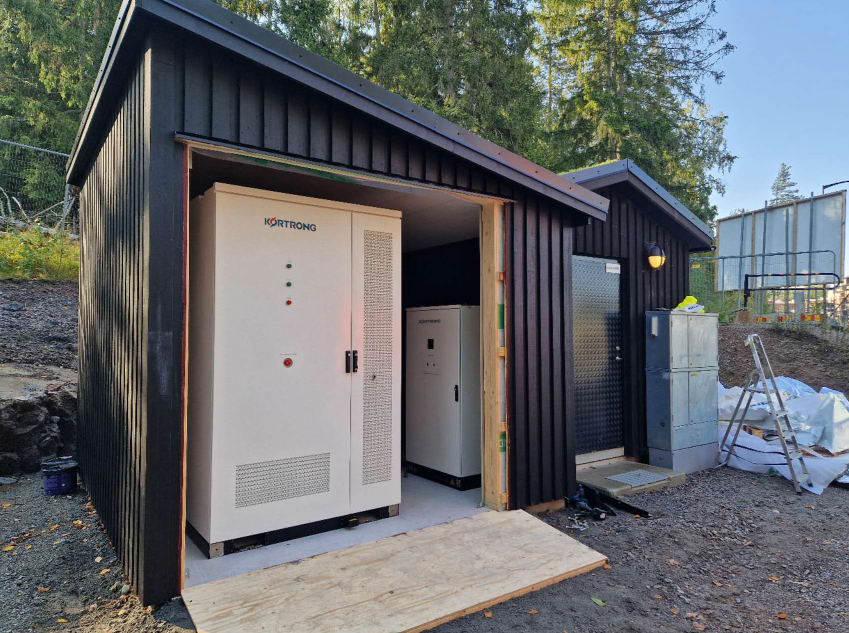
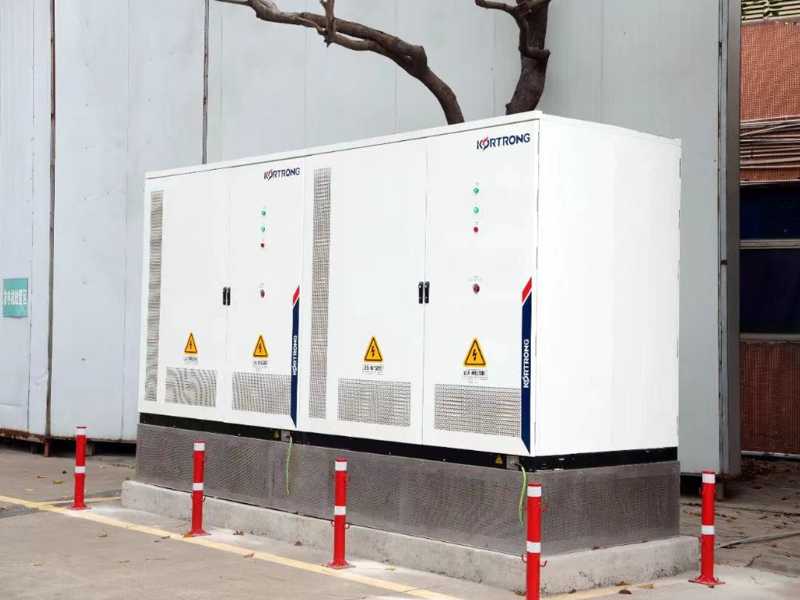
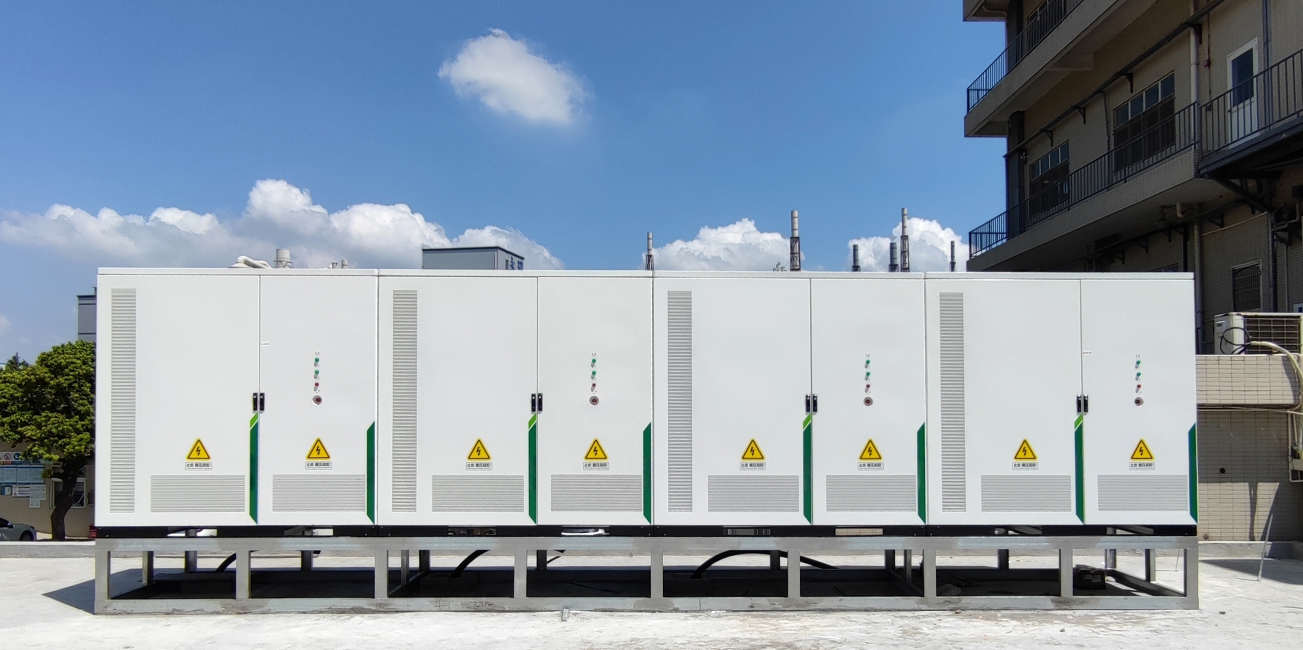
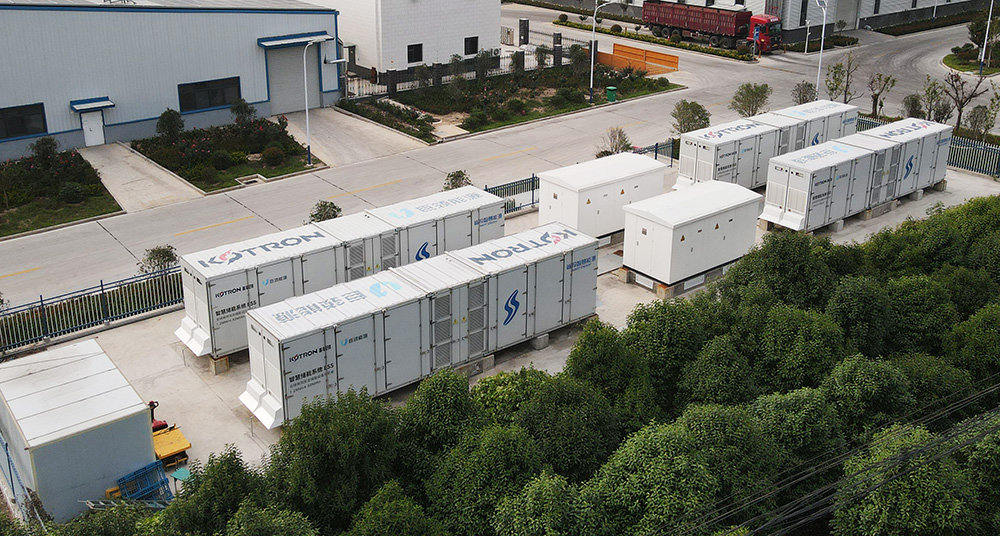
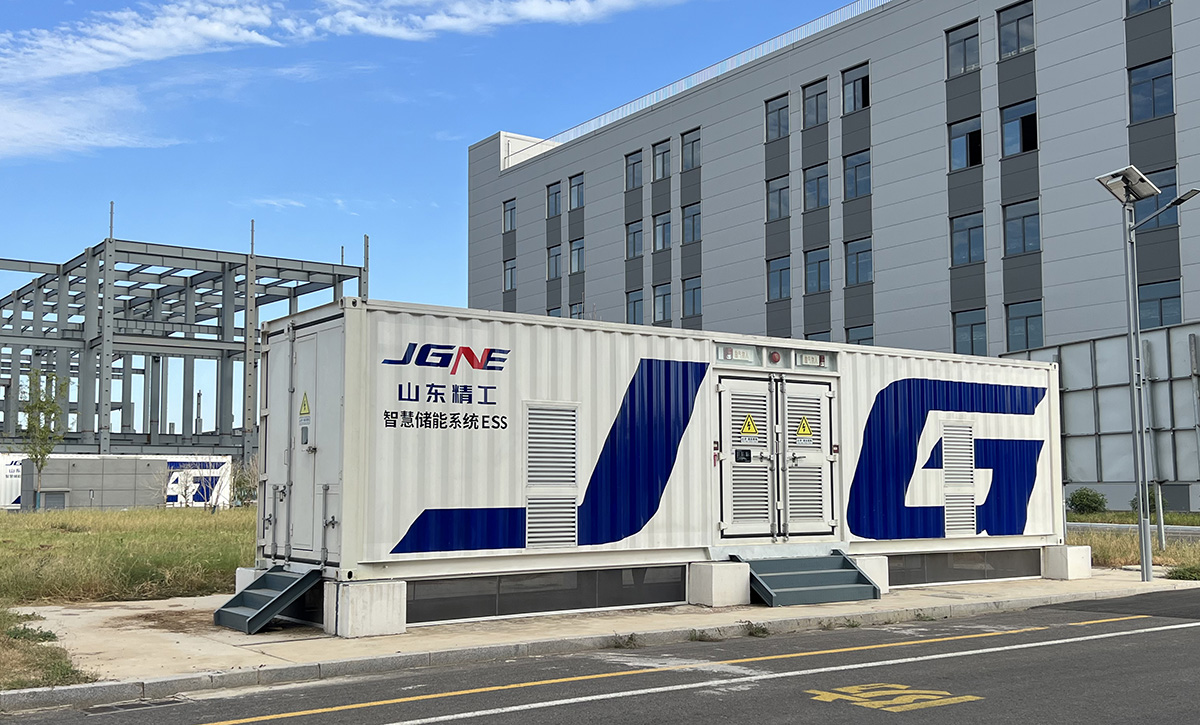
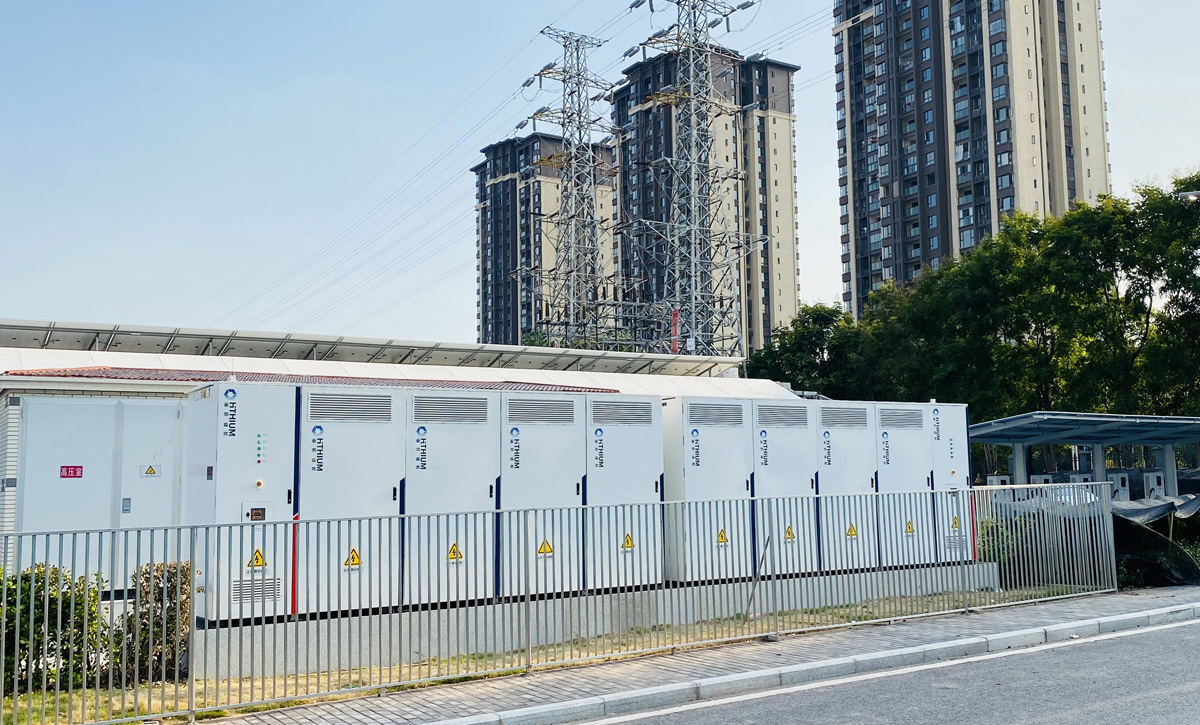
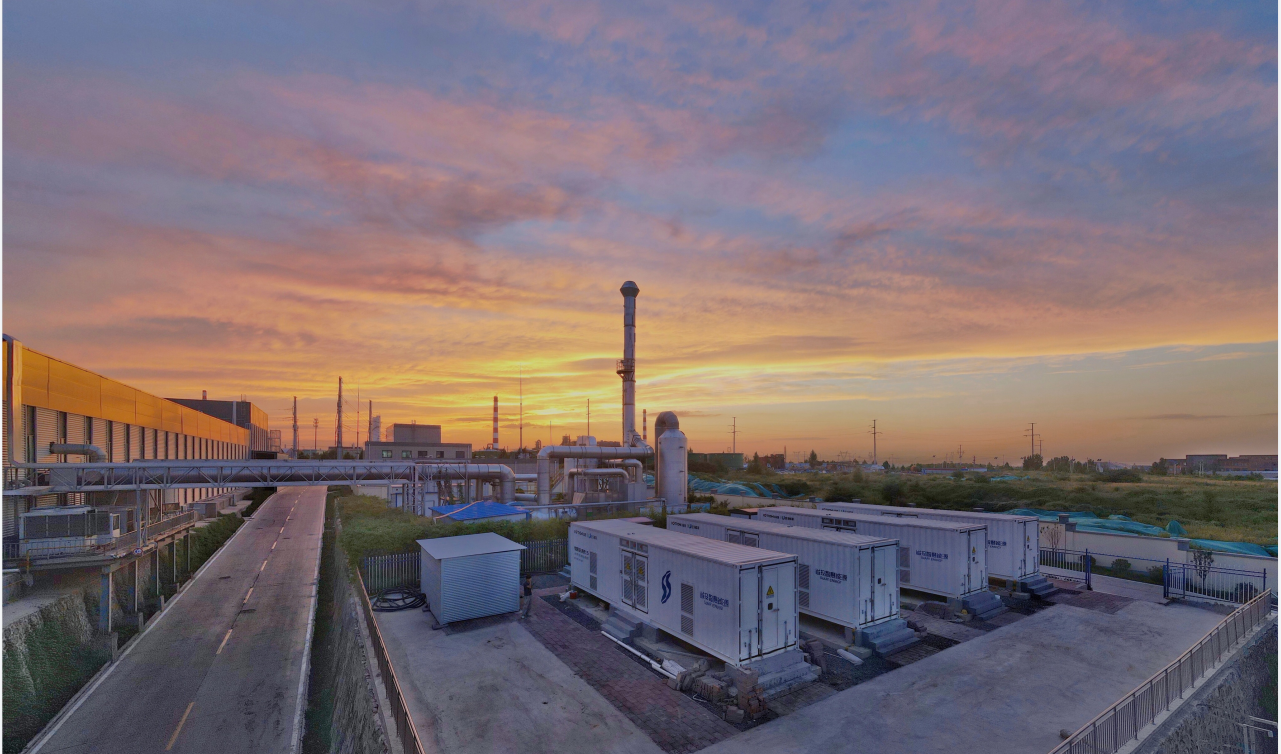
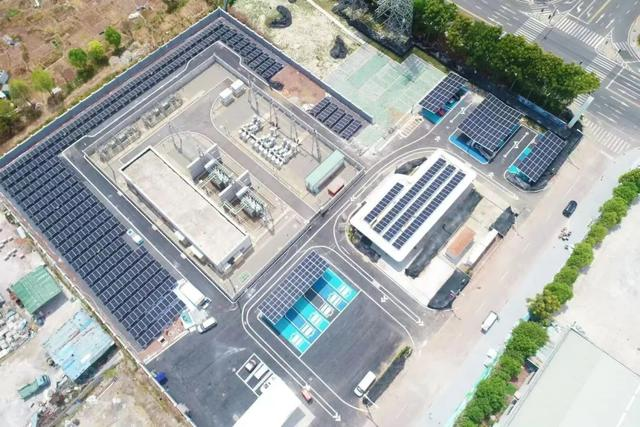
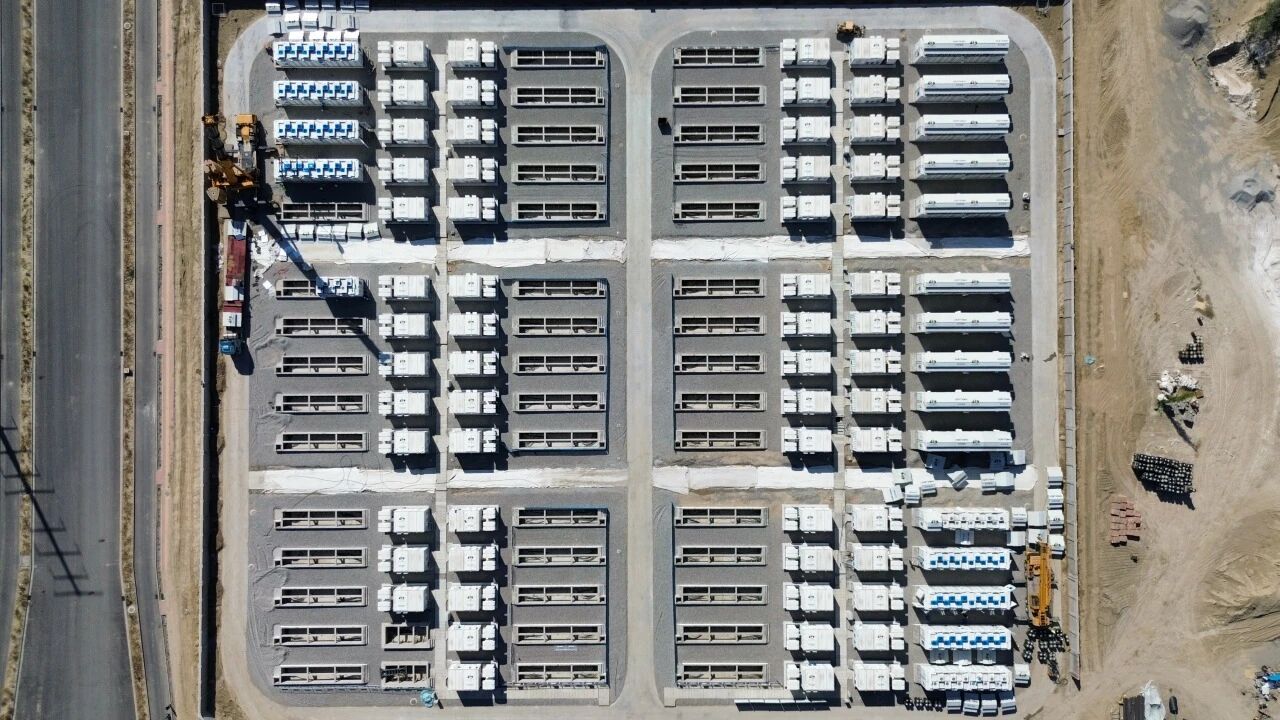
Kortrong's 300 MW/600 MWh grid-forming battery plant in Keke Dala provides virtual inertia, black-start and sub-second frequency response, making it a core pillar of Xinjiang's future grid.
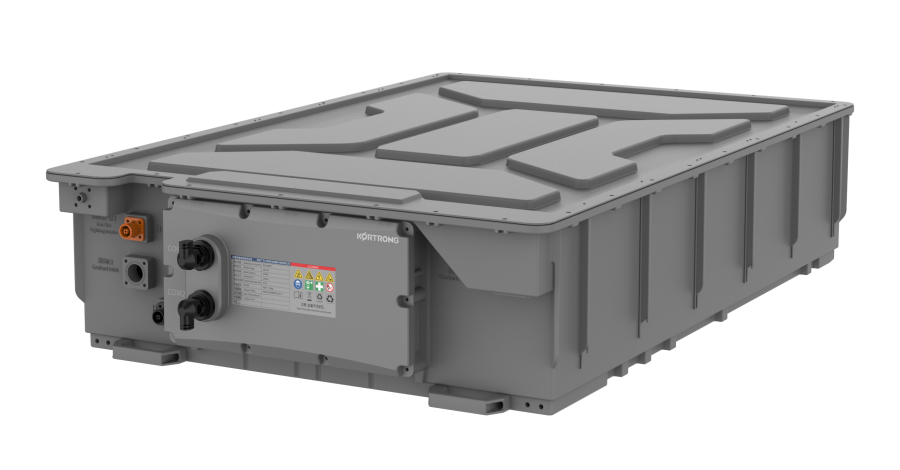
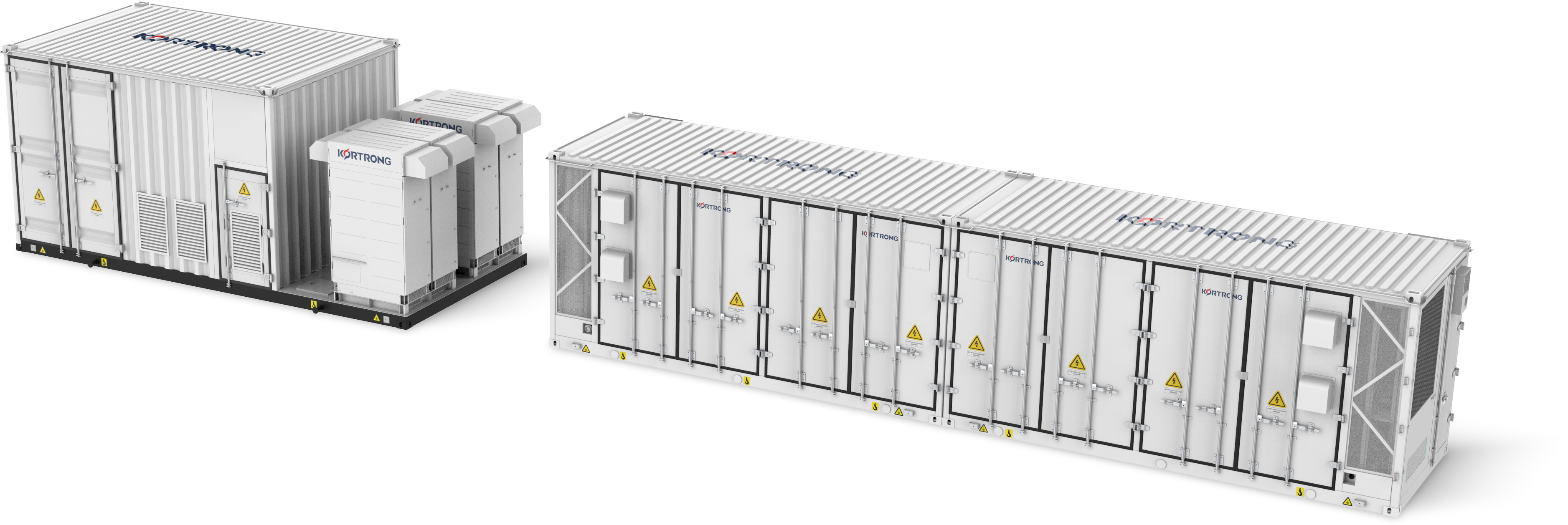
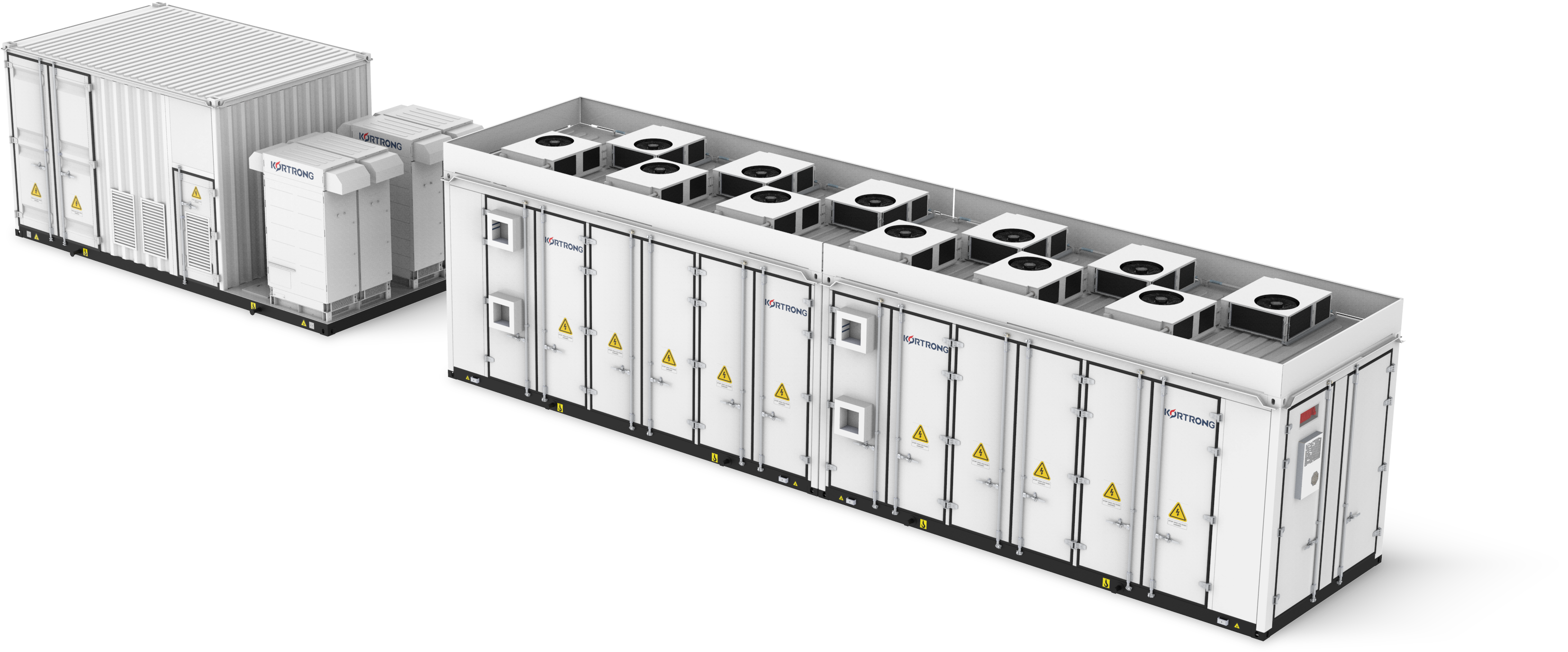
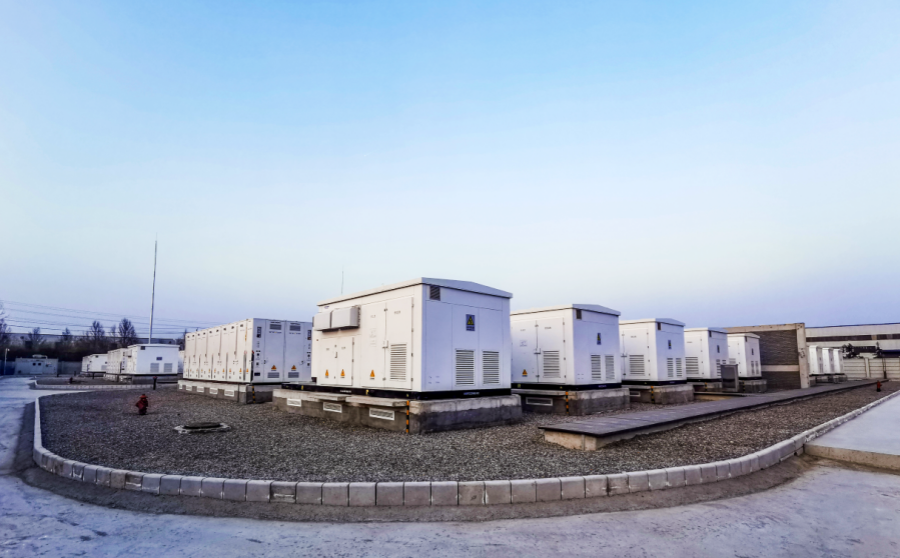
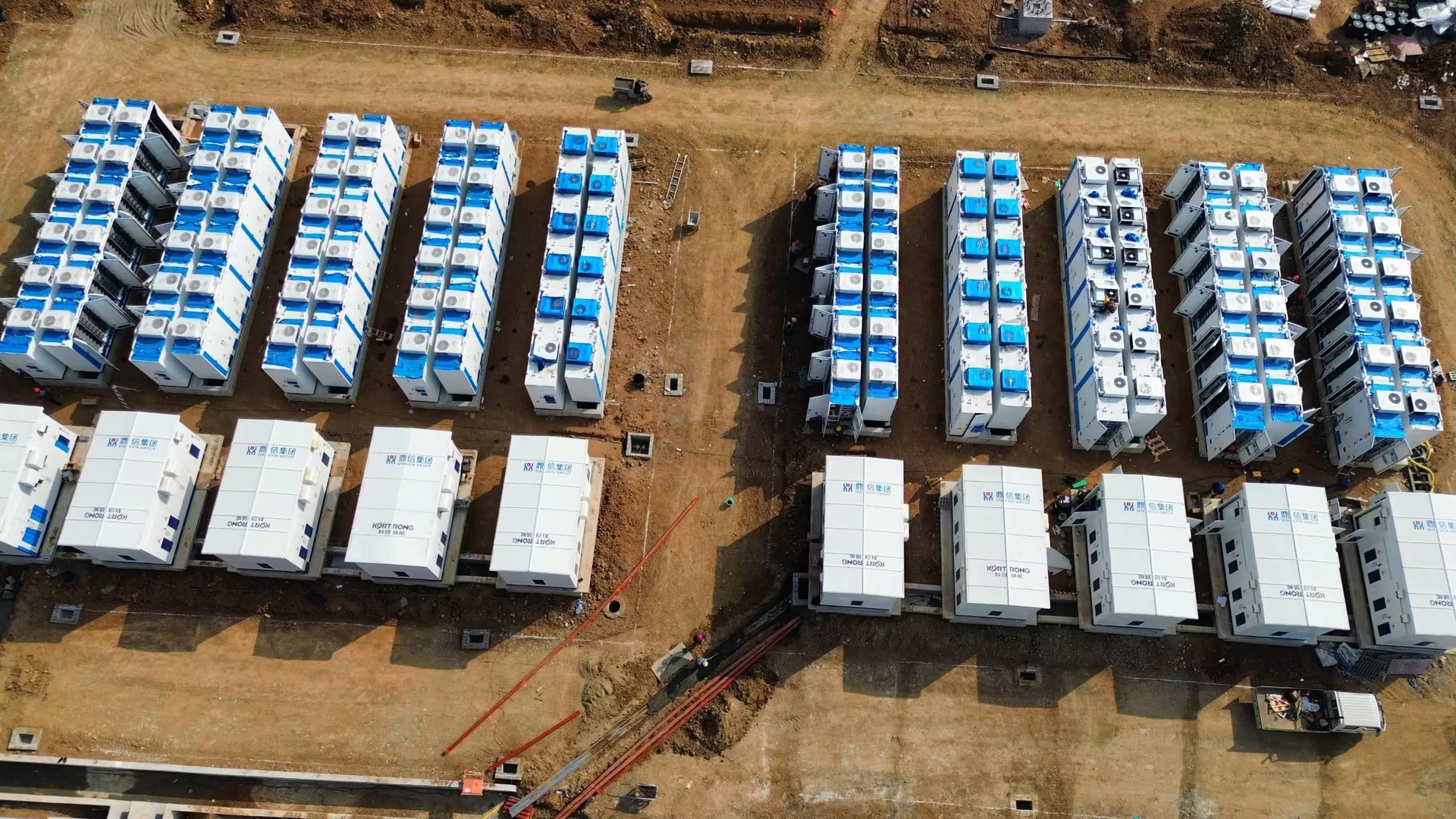
On November 9, at 44°7′N, 80°37′E—a stone's throw from Kazakhstan—a transformer light turned green. In one clean, unbroken block, Kortrong energized global largest & Xinjiang's first standalone immersion liquid cooling energy storage station yet: 300 MW/600 MWh of immersion liquid cooling, grid-forming, no partial commissioning, no phased excuses. Just flip the switch and 600 MWh answered the call.
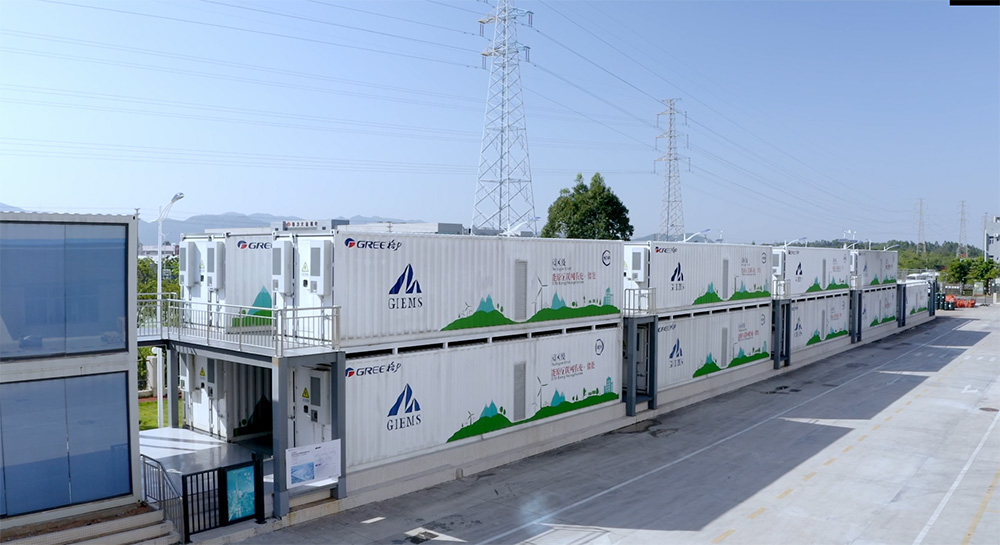
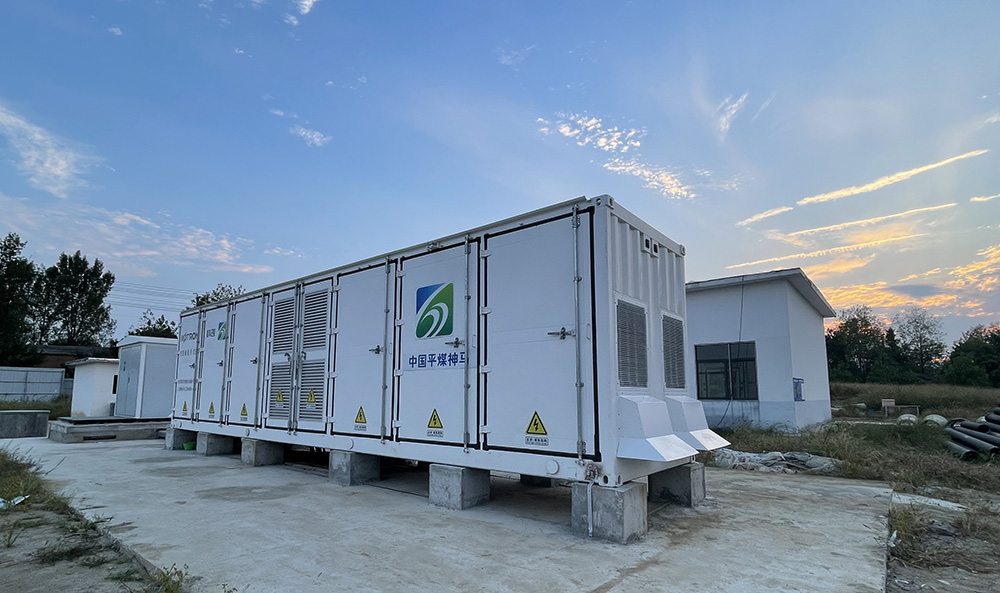
Built in a little over three months on a plain that enjoys 3,000 hours of sunshine and more than 200 gale-force days a year, the plant shrugs at a 50 °C seasonal swing. Containers are wrapped in rock wool, roofed to the exact kilogram for local snow loads, and filled with dielectric fluid that treats arctic nights like a minor inconvenience.
This is no mere curtailment sponge. It swallows 600 MWh of otherwise-wasted wind and solar every day, delivers millisecond response when the grid staggers, supplies synthetic inertia, damps wide-band oscillations, and acts as a proper voltage source for a provincial network still learning to live with renewables.
In an industry where “two-week response times” quietly stretch to six months, Kortrong promises two hours from its new Khorgos hub—and shows up. Clients between Ürümqi and Almaty have already started calling it the Kortrong Clause: when the grid is hopeless and the weather is worse, they still turn up when they say they will.
China measures progress in gigawatts and brass bands. Yet on a freezing frontier, the quiet click of a single transformer just became the loudest statement Kortrong has ever made: reliability, delivered one meticulously engineered battery at a time.