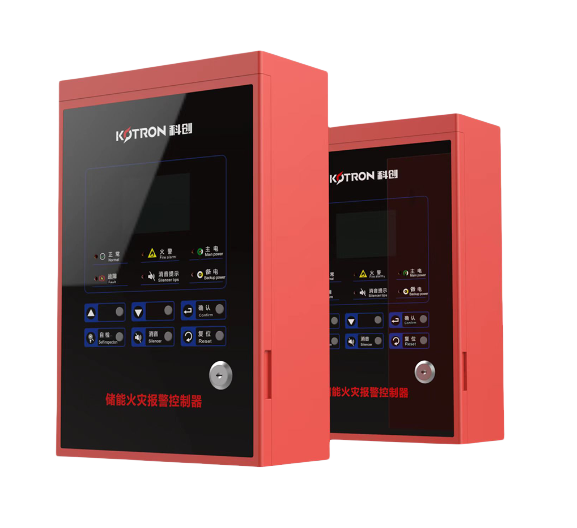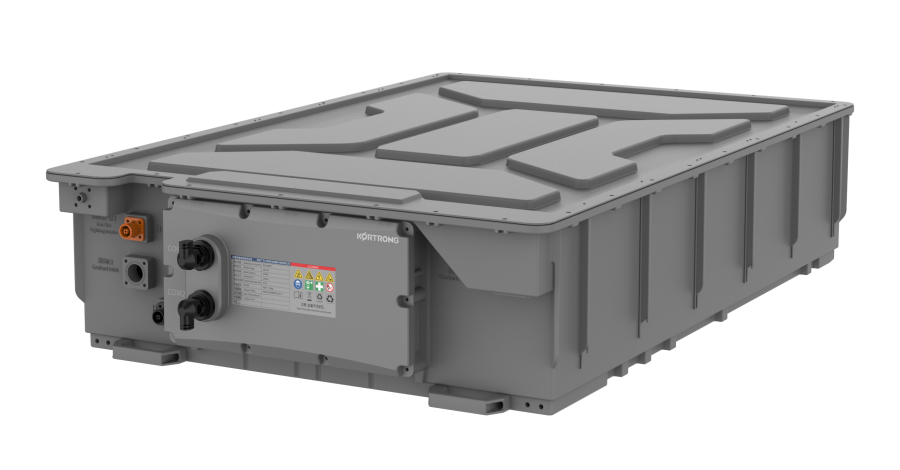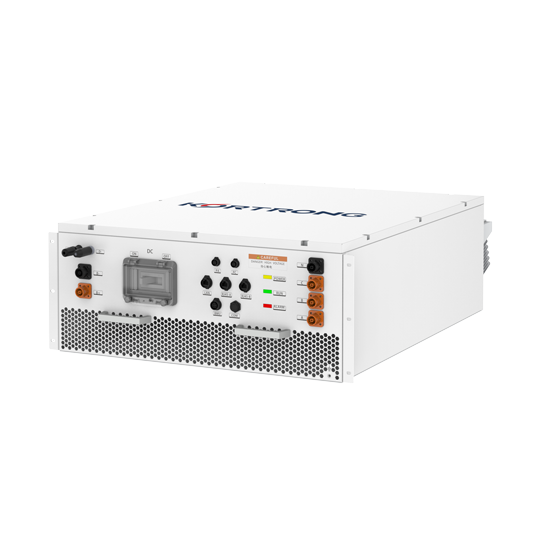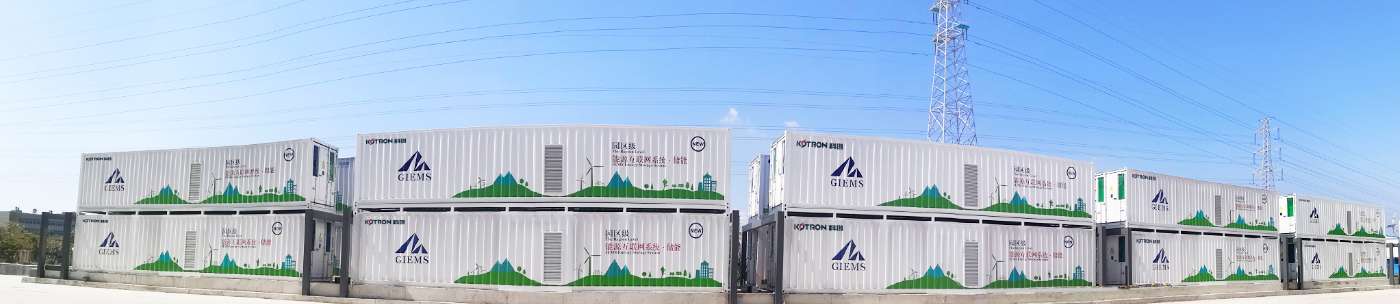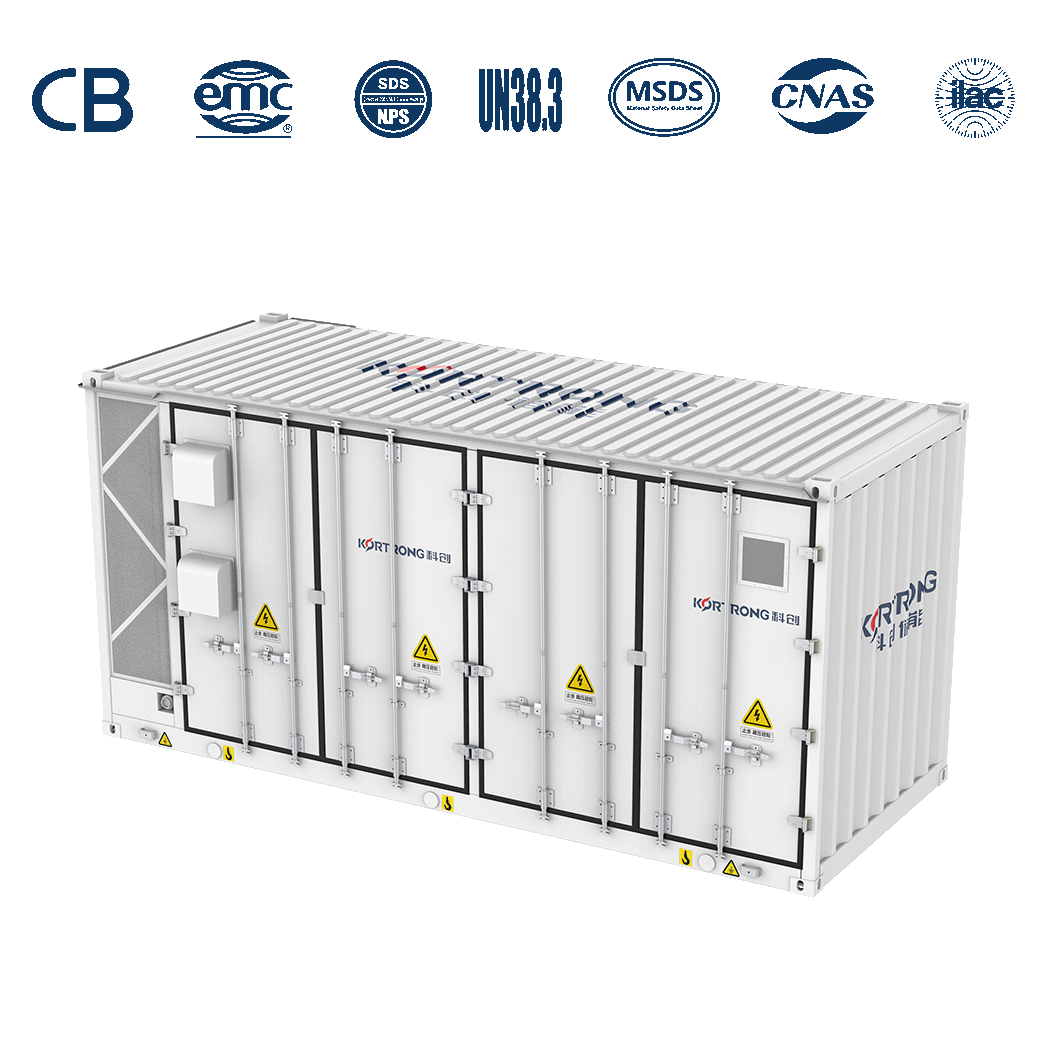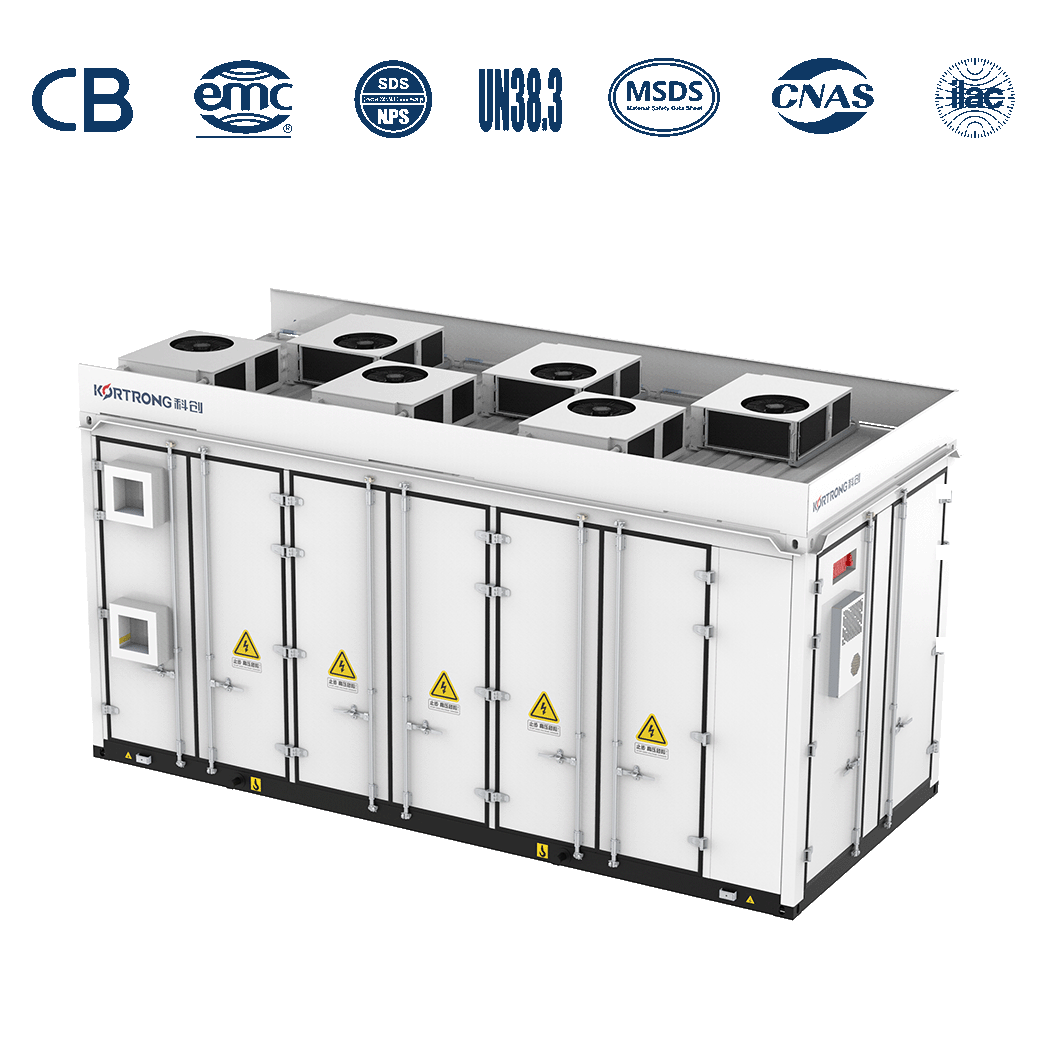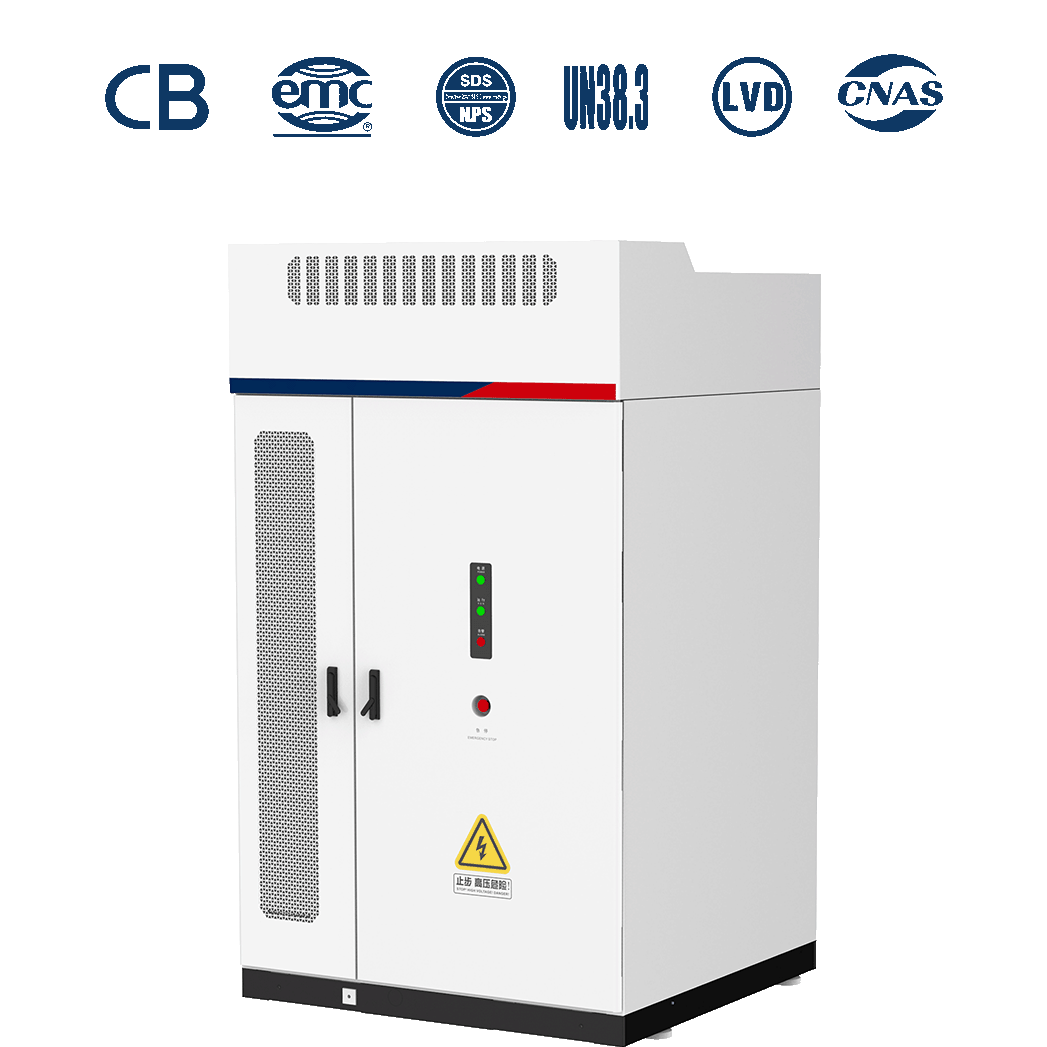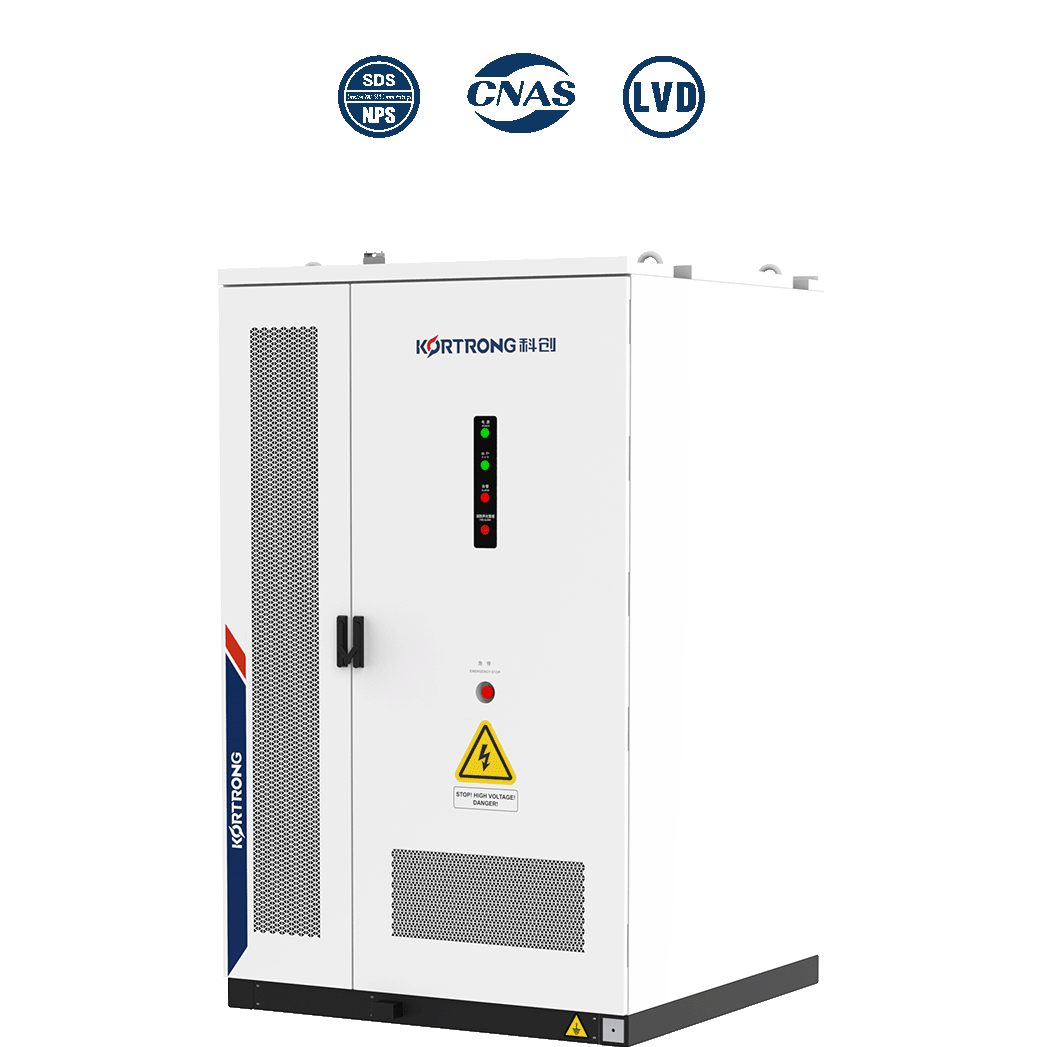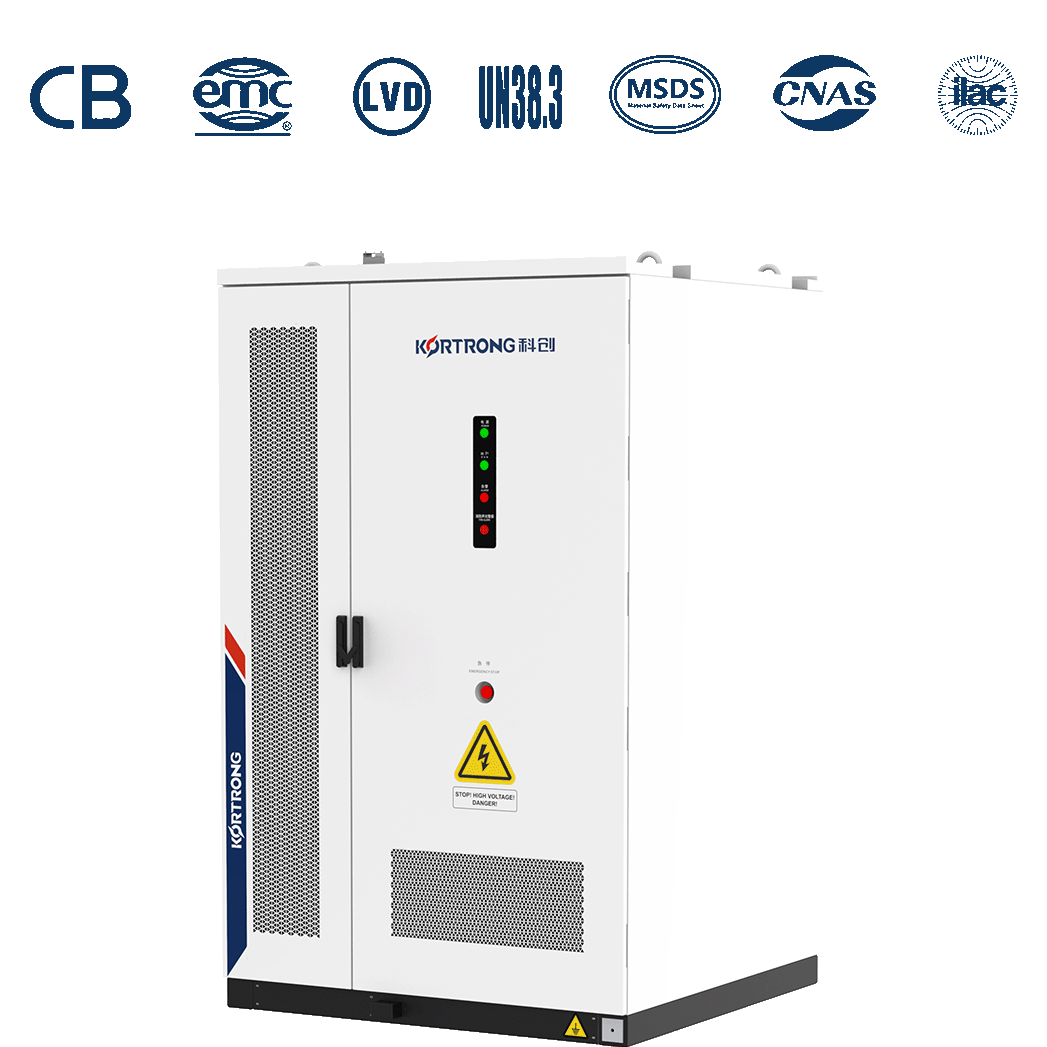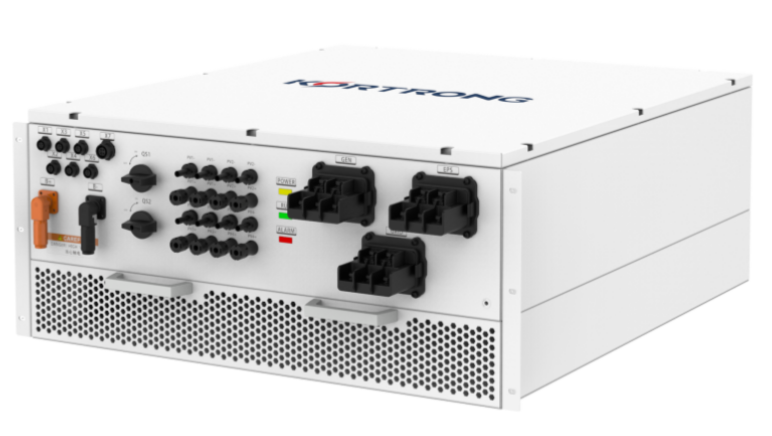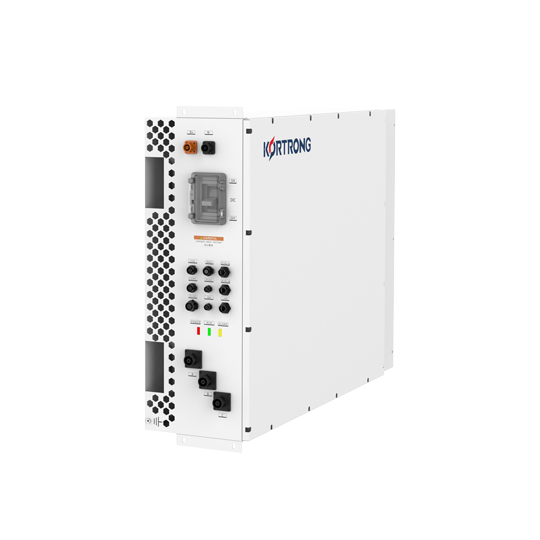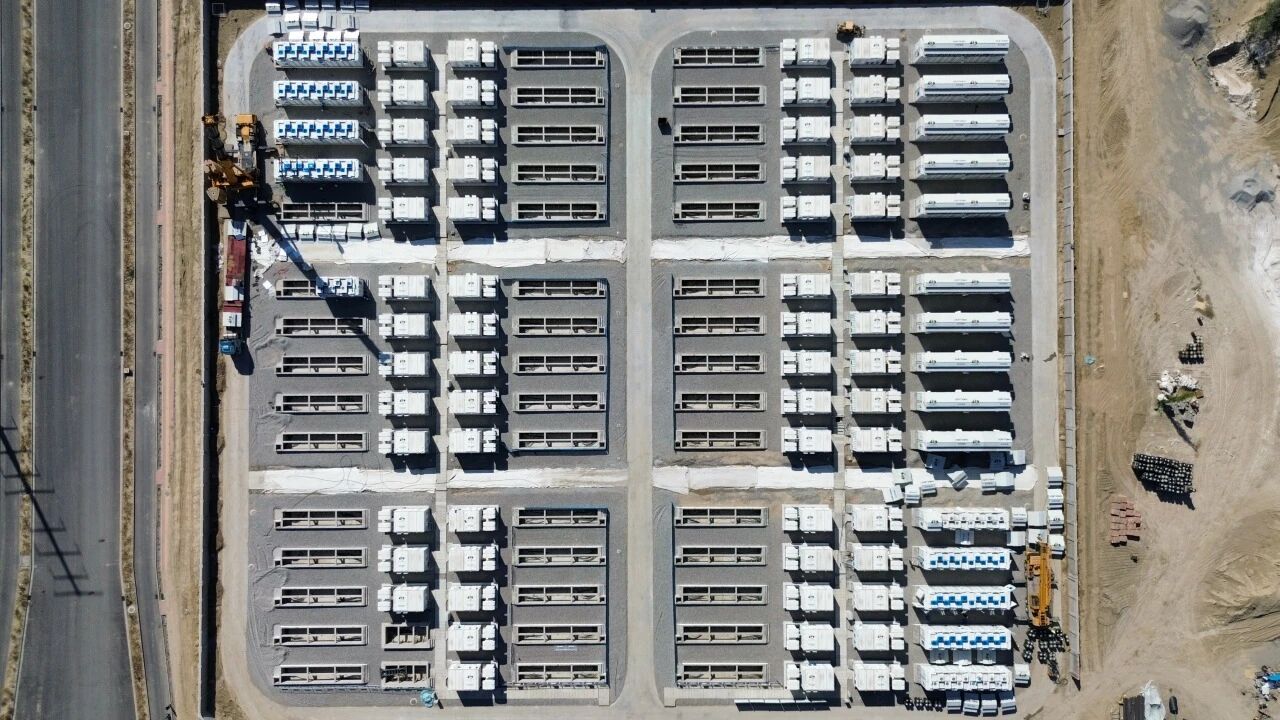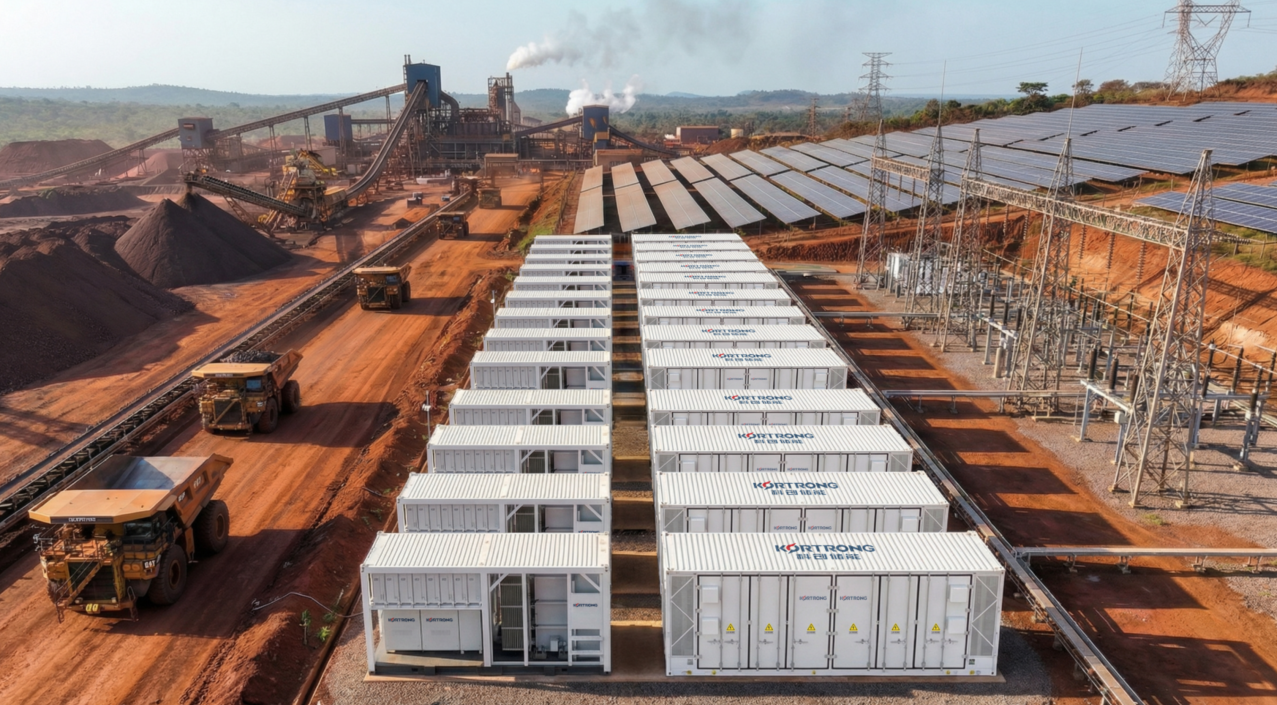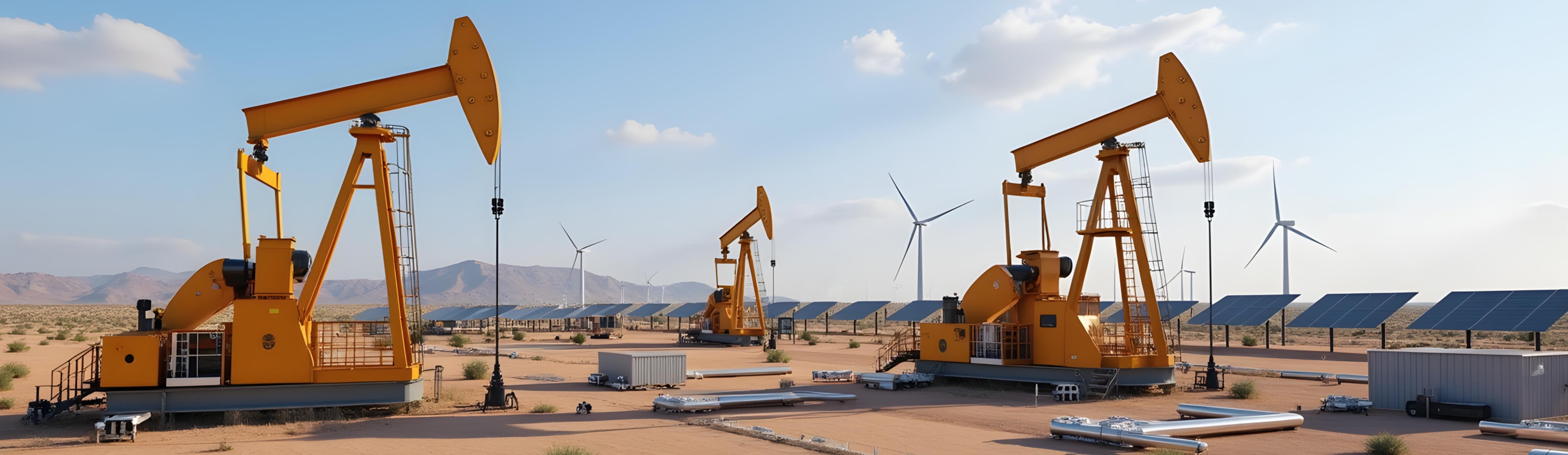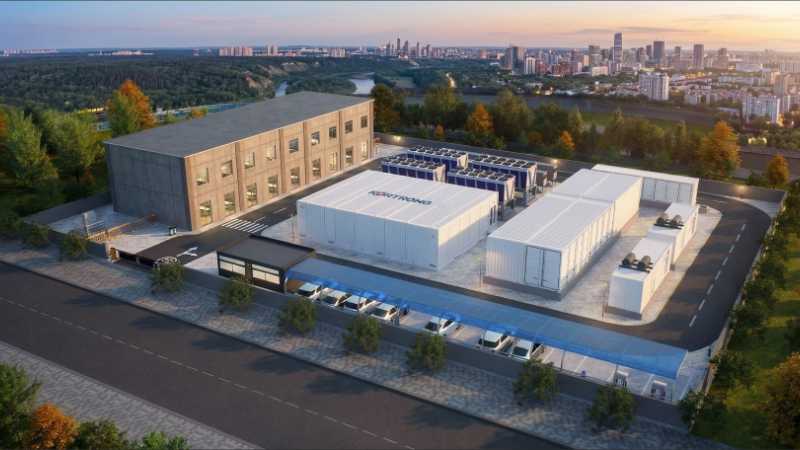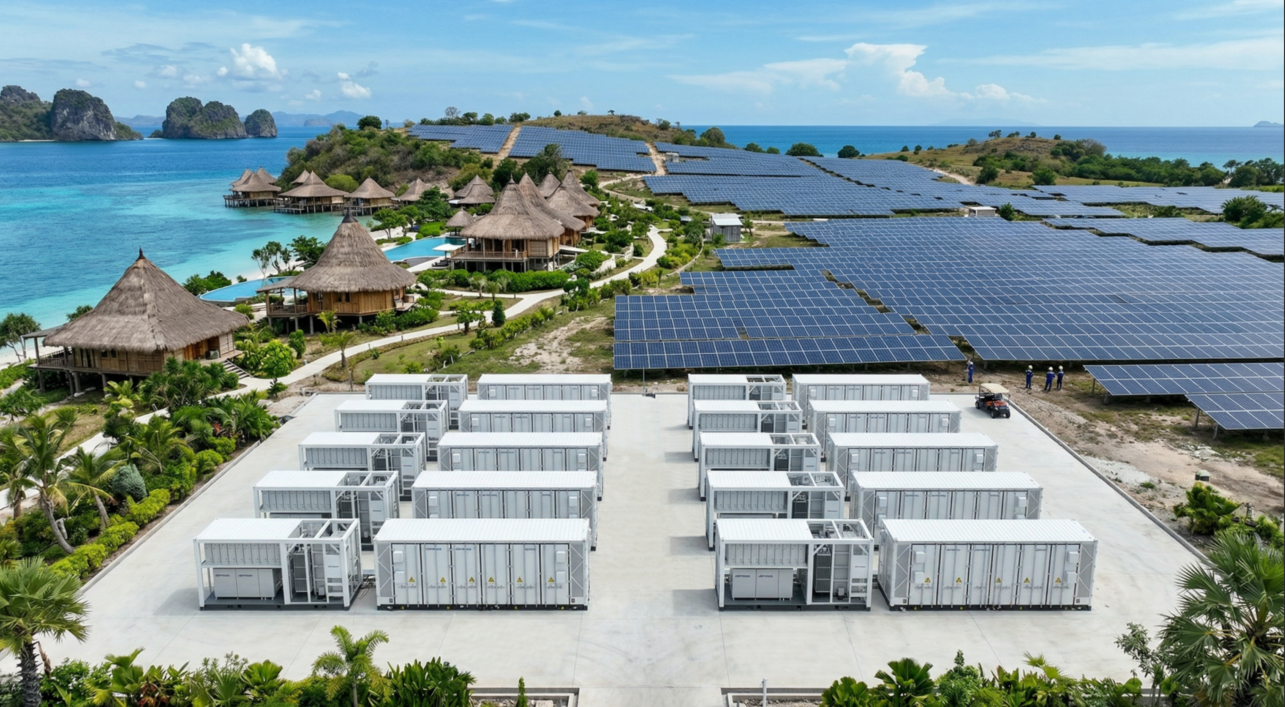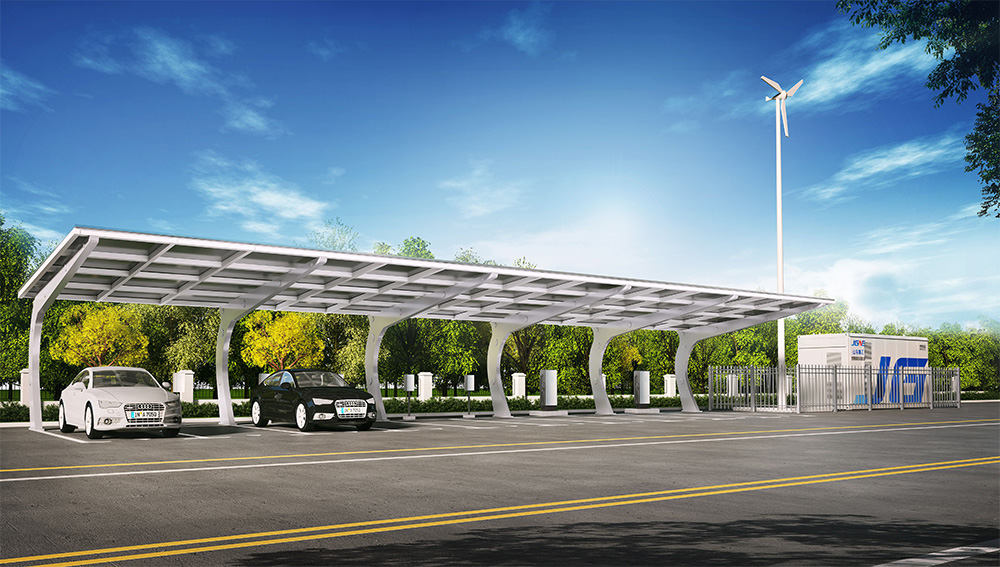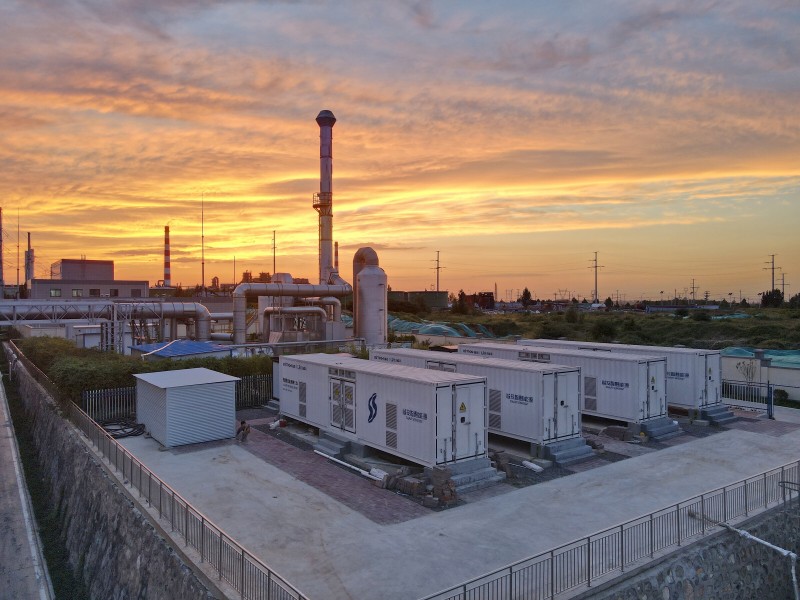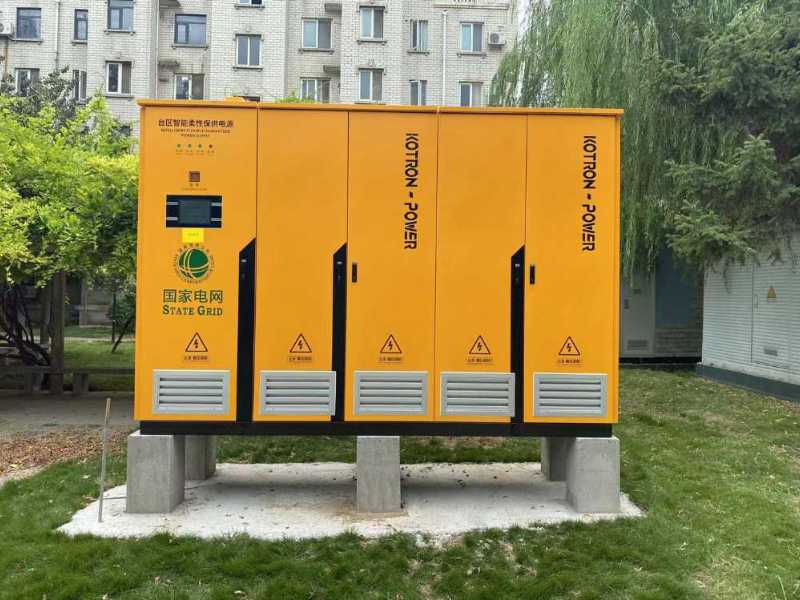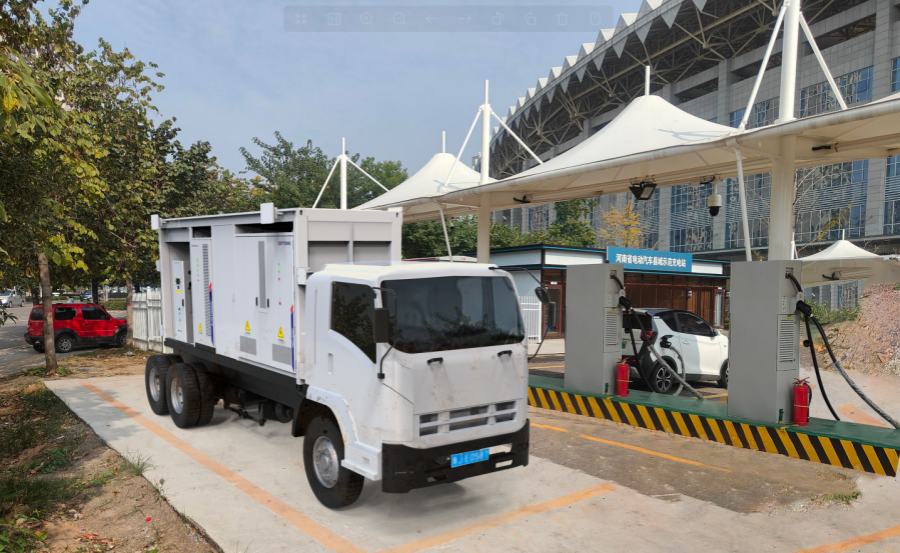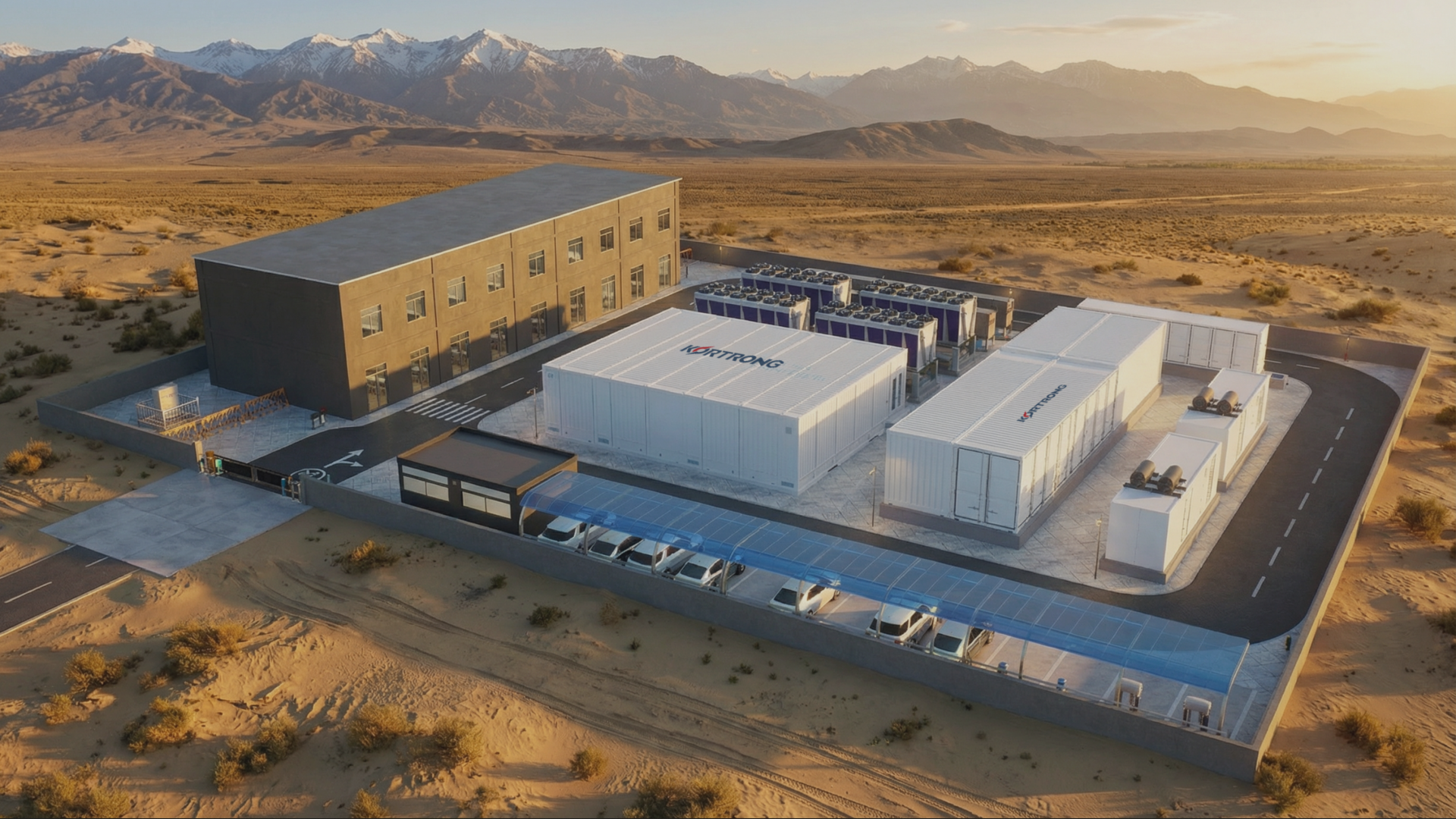

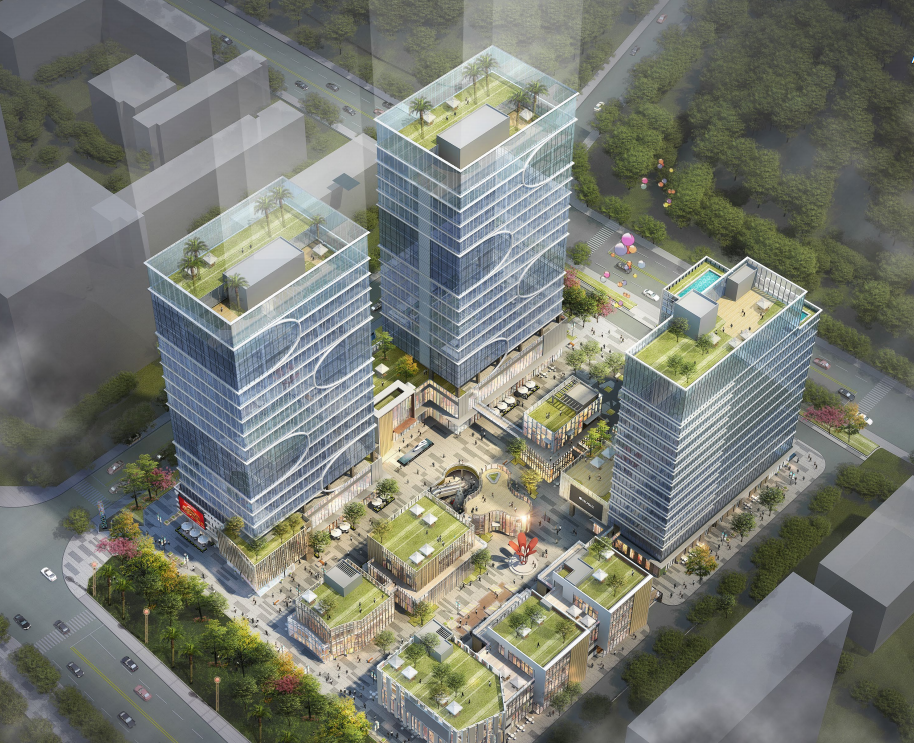
The Kortrong one-stop solution for zero-carbon park takes low-carbon and zero-carbon emission as the development goal, and through “photovoltaic power generation, energy storage and power saving system”, builds energy facilities such as photovoltaic, energy storage, charging piles, high-efficiency water-cooled air-conditioning, intelligent building BA and so on. By means of carbon emission management, energy analysis, load regulation, power quality, equipment operation and maintenance, energy structure adjustment, energy resource optimization, etc., the park continuously optimizes its energy use structure, which helps reduce carbon emissions in the park and ultimately realizes low-carbon and zero-carbon emissions, and creates a new zero-carbon industrial park with high efficiency in energy use, lowest carbon emissions and recycling of resources.
Optical Storage and Charging
Optical storage and charging is one of the important technical means to realize zero carbon park. It mainly realizes the energy self-sufficiency of the park and the reduction, resourcefulness and harmlessness of pollutants through solar power generation, storage battery storage, electric vehicle charging and high-efficiency water-cooled central air-conditioning technologies.
High-efficiency refrigeration technology
High-efficiency refrigeration technology is an important component of the zero-carbon park. Through the use of high-efficiency refrigeration technologies, such as IoT technology + AI strategy automatic control technology, the energy consumption of the park can be greatly reduced, while improving the efficiency of energy utilization.
Energy Management
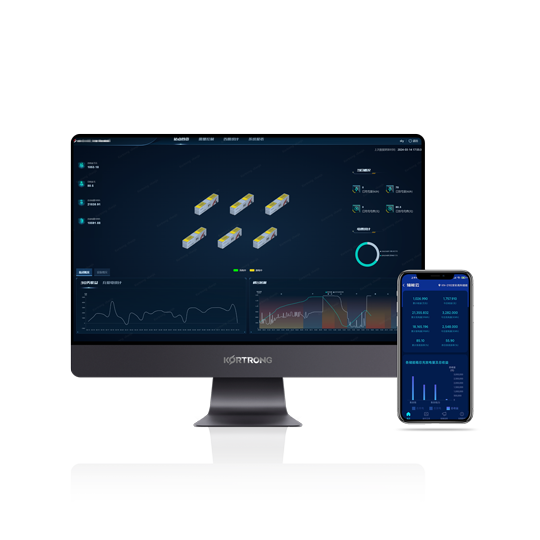
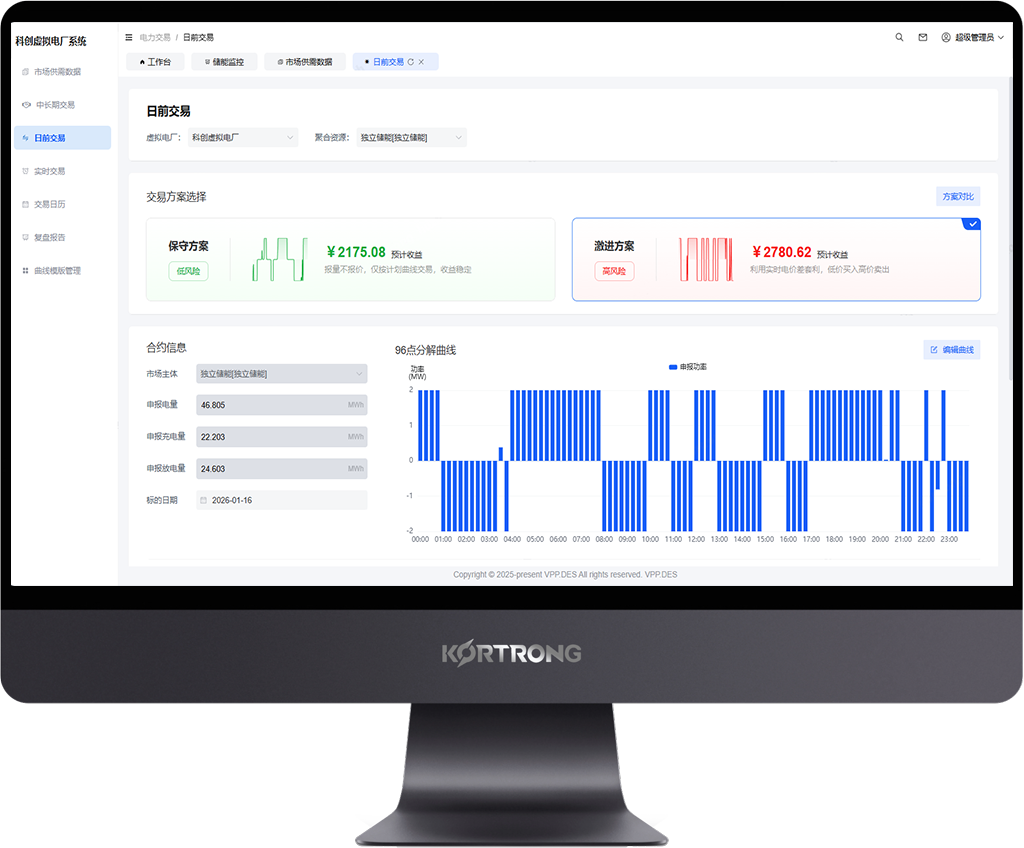
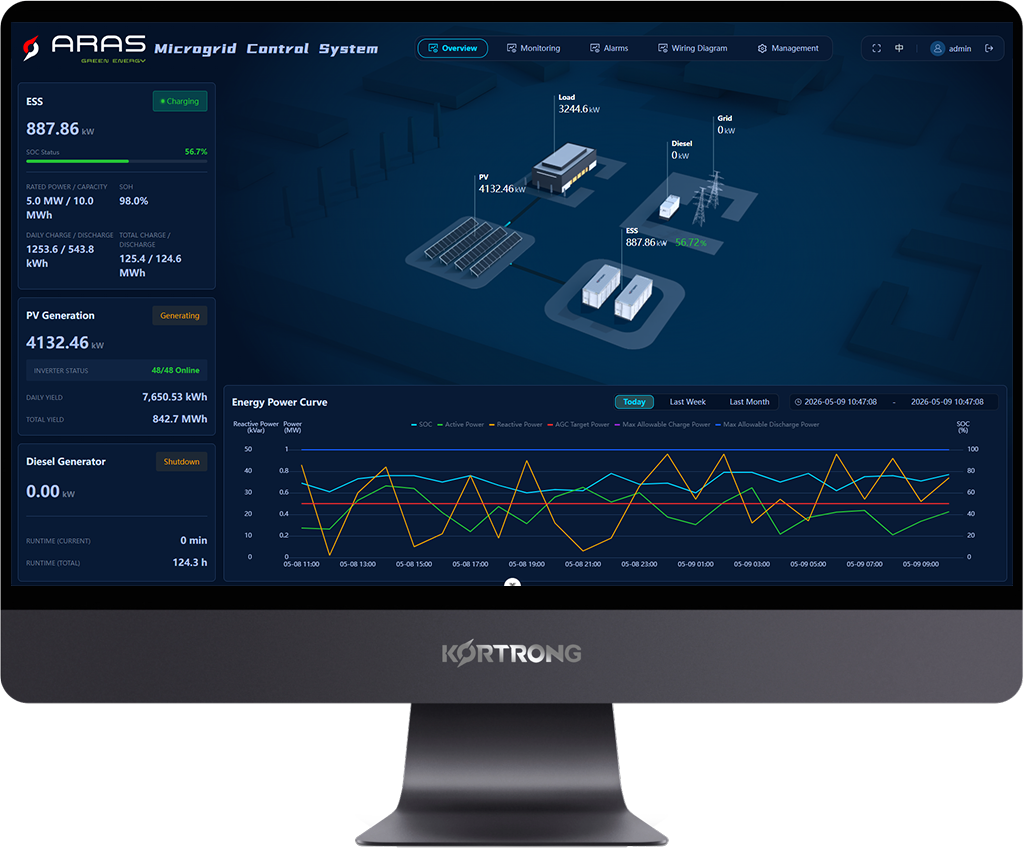
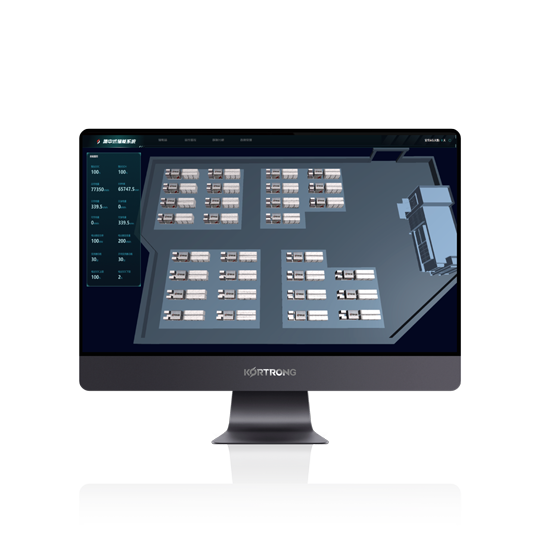
Kortrong's intelligent energy management platform can be docked with energy management systems such as photovoltaic, energy storage, charging piles, central air-conditioning, intelligent water and electricity meters, etc. The BIM model can be displayed on the intelligent park management platform and monitored in real time to show the running status of the park's energy system.