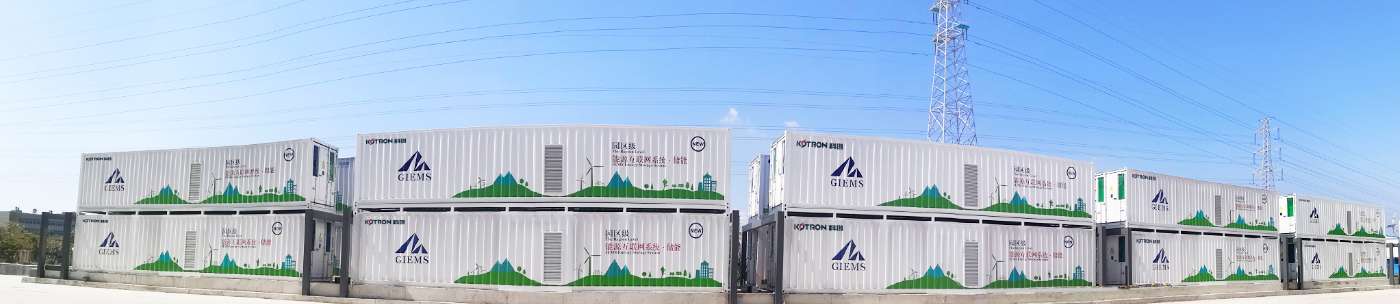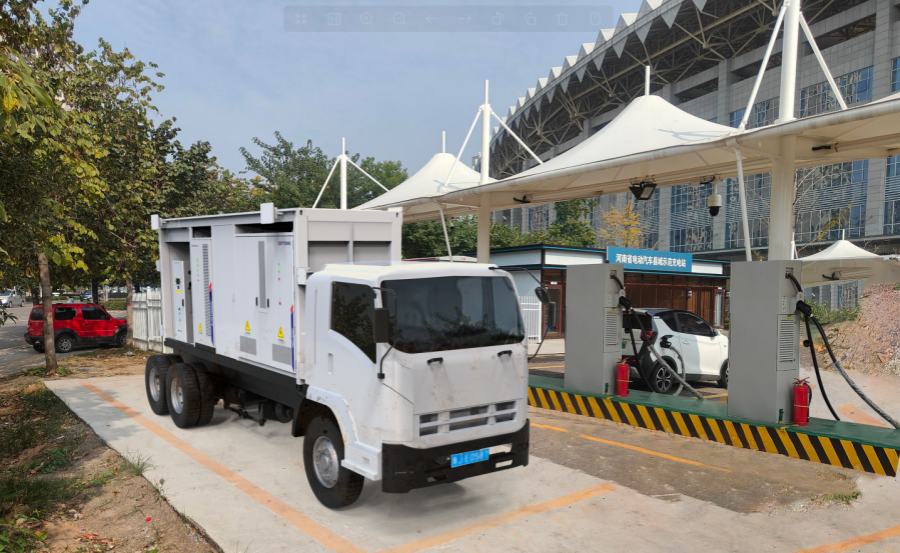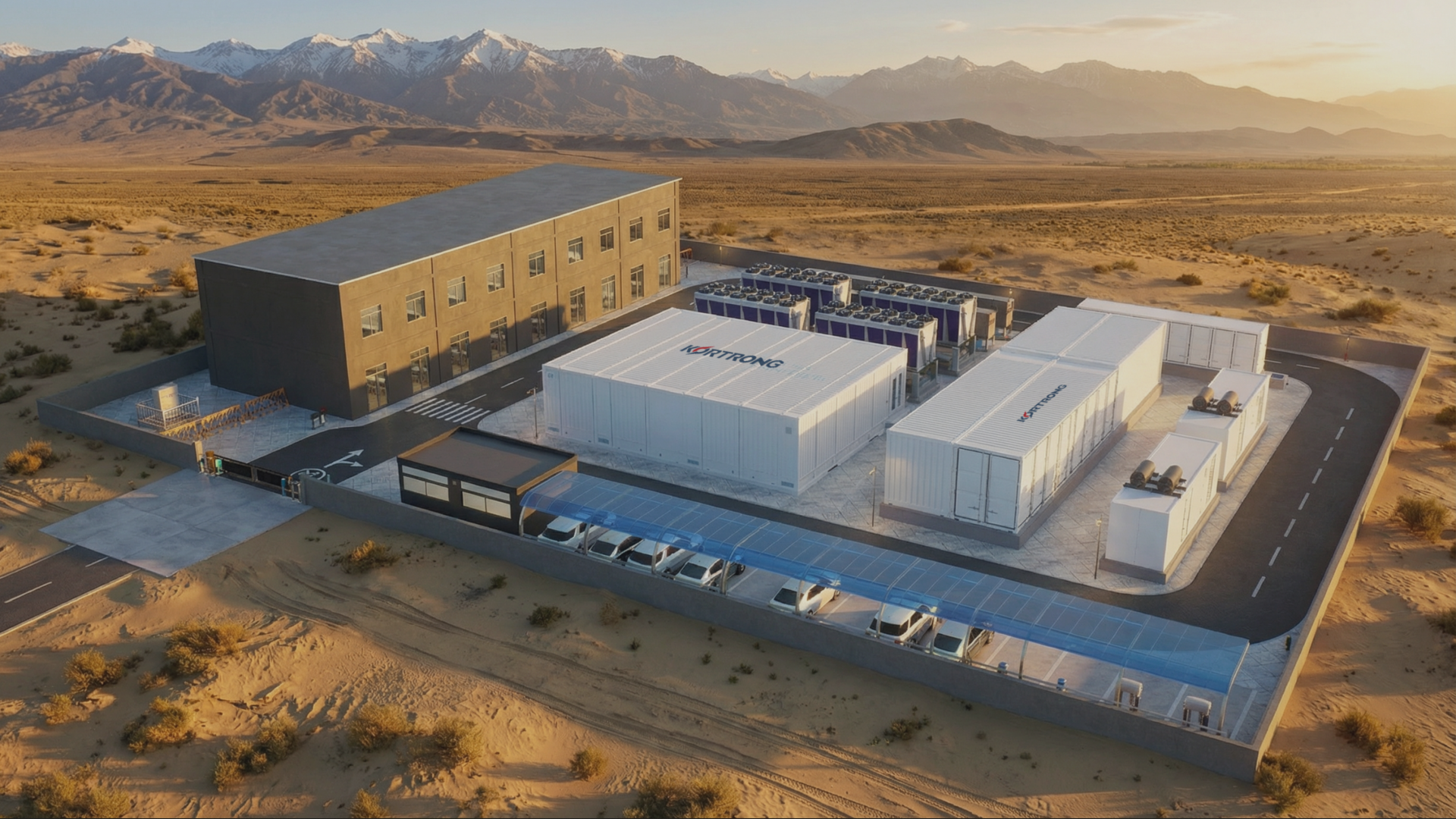
During the critical green transition period of the "15th Five-Year Plan", low-carbon parks are evolving from "demonstration projects" to "standard features". The Kortrong Low-Carbon Industrial Park, utilizing a smart microgrid with "solar-storage-charge-control" multi-energy complementarity, addresses three major pain points – grid impact, investment, and operation & maintenance – successfully paving a replicable path from "green energy self-sufficiency" to "commercial profitability".
01 Building a Multi-Energy Complementary Foundation
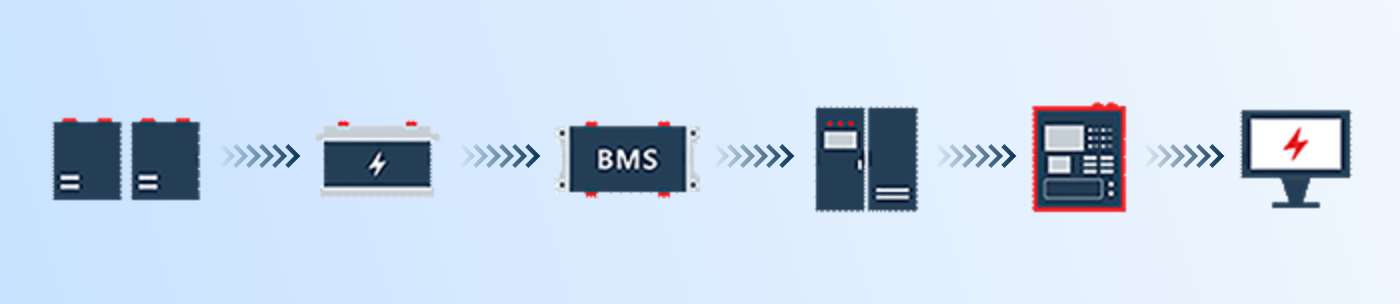
The underlying logic of constructing a zero-carbon park lies in achieving autonomous energy regulation and optimized operation through systematic design. Within this system, energy storage facilities serve as the core "energy foundation", providing crucial support for system stability, green electricity consumption, and operational economy.
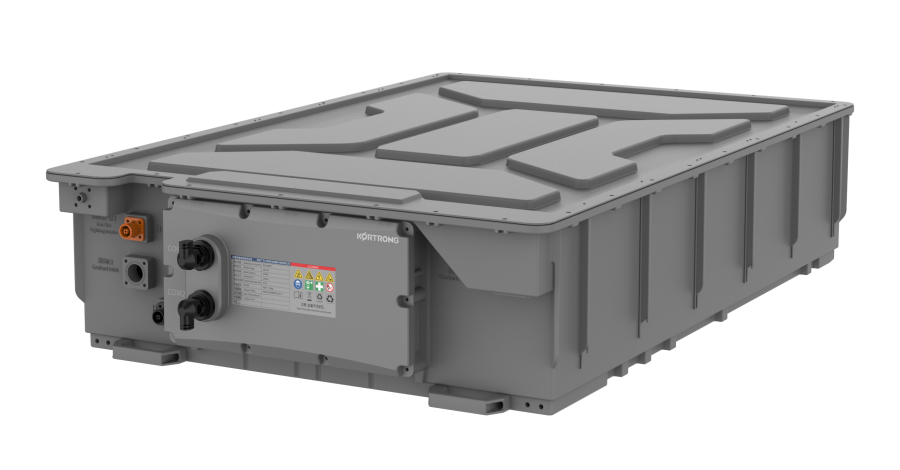
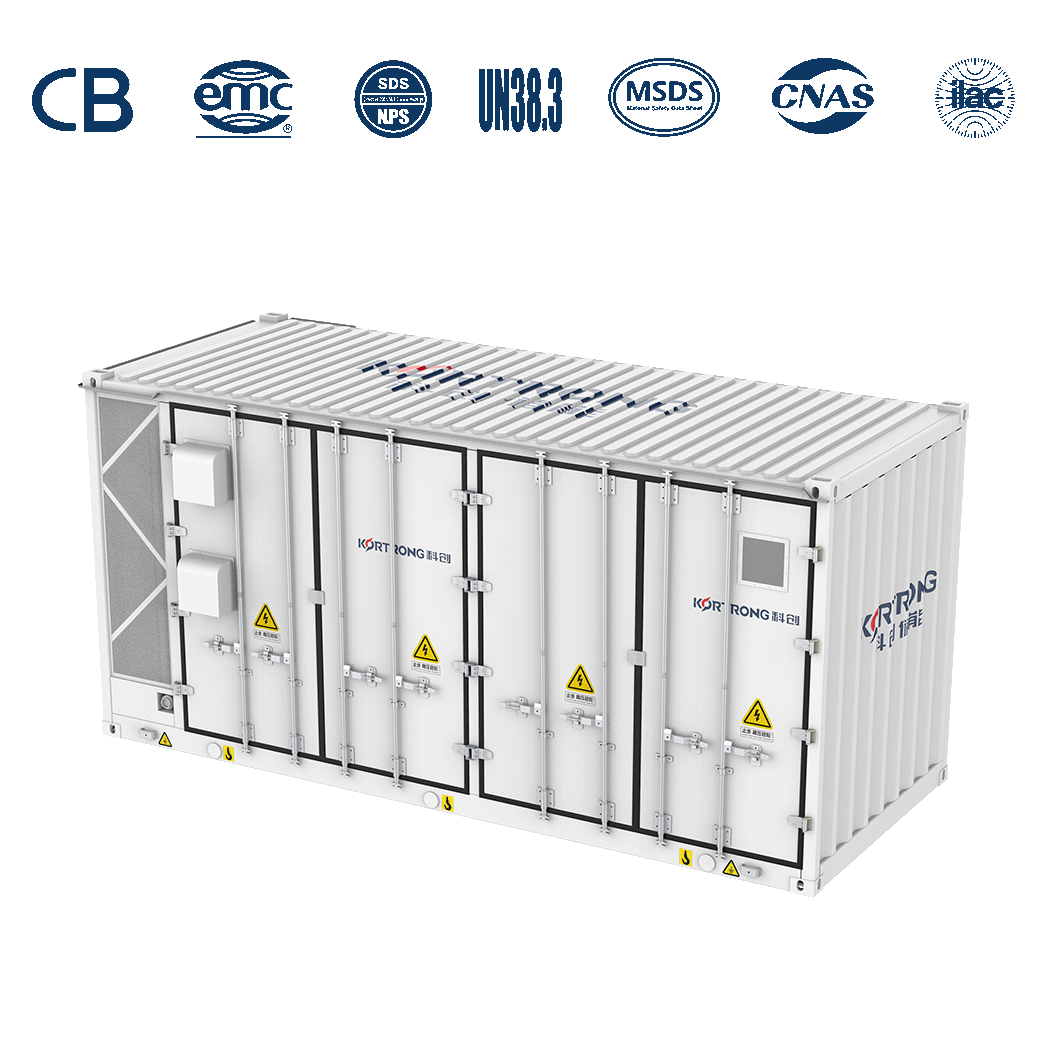
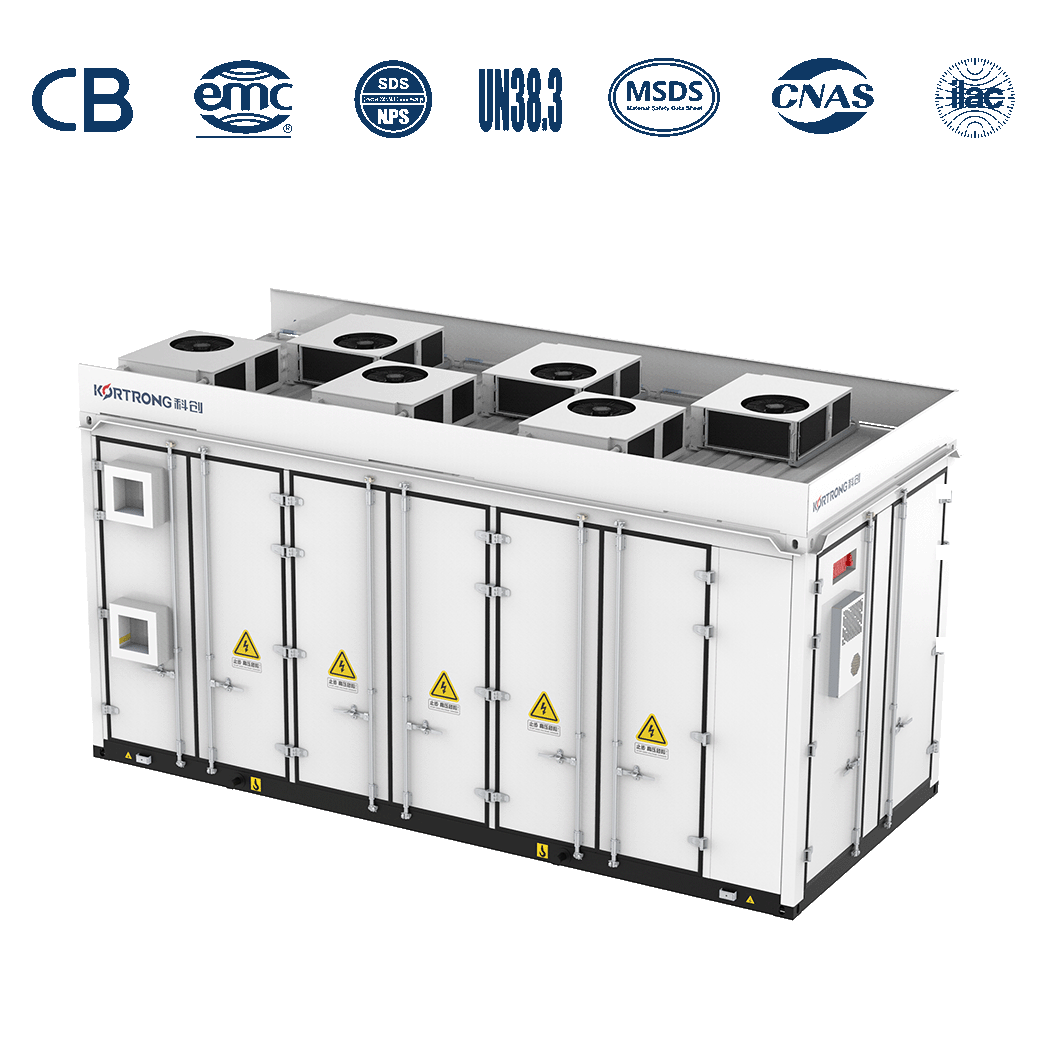
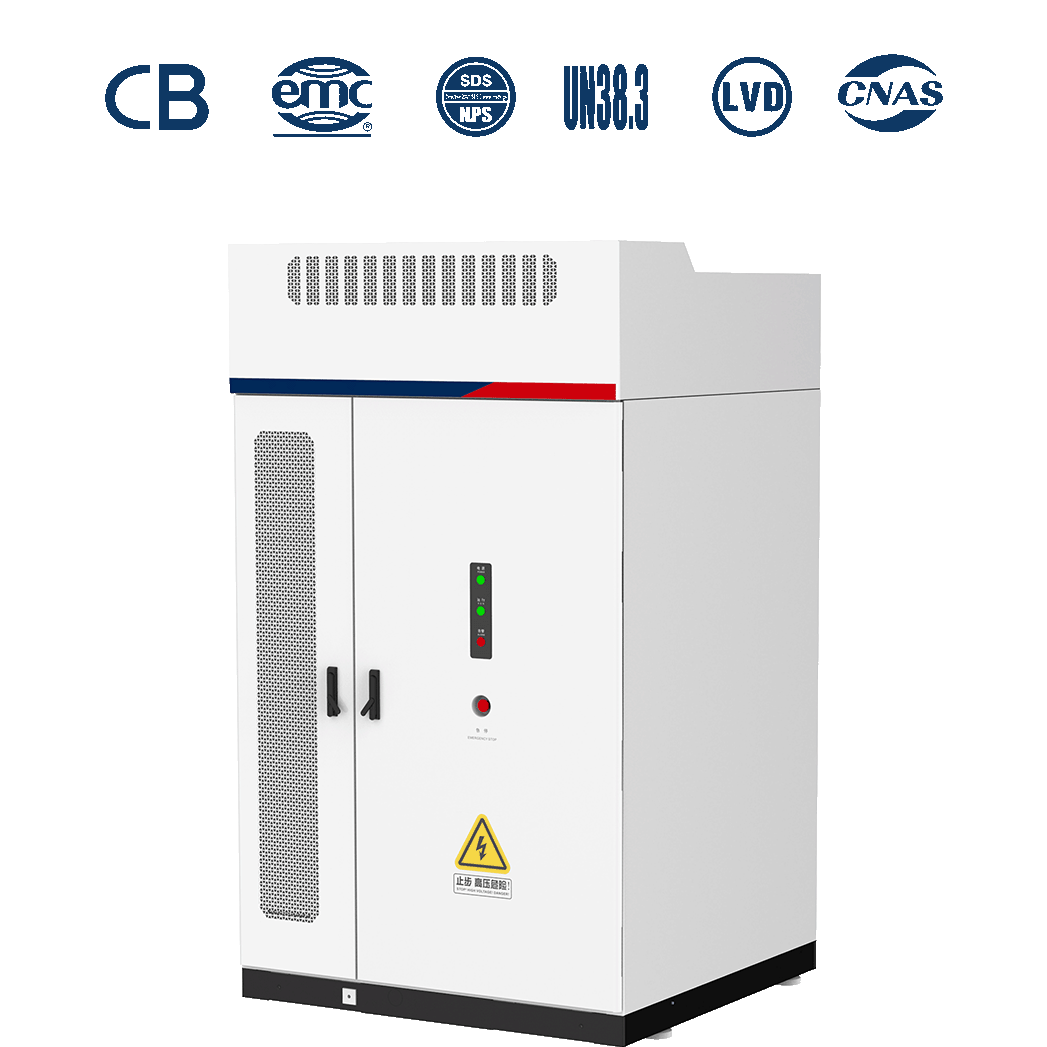
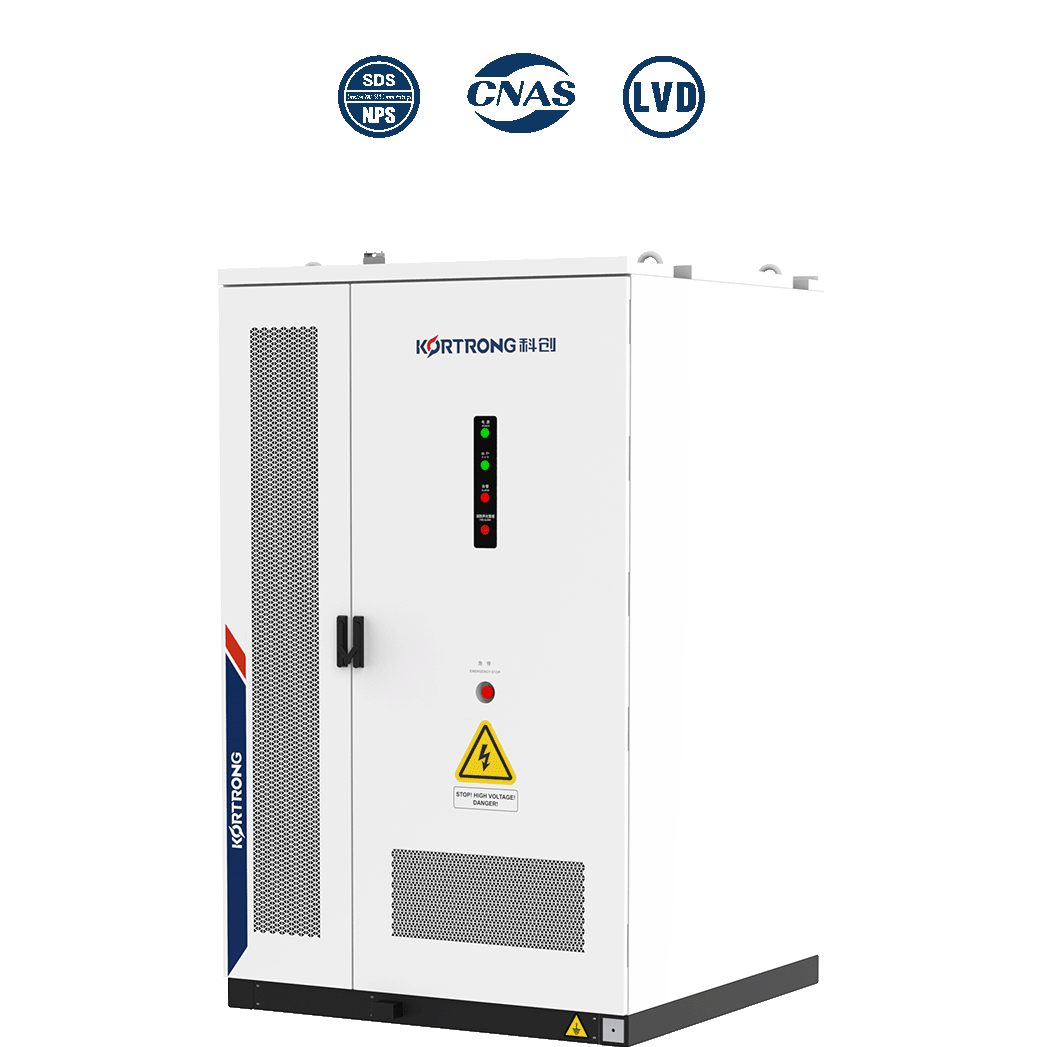
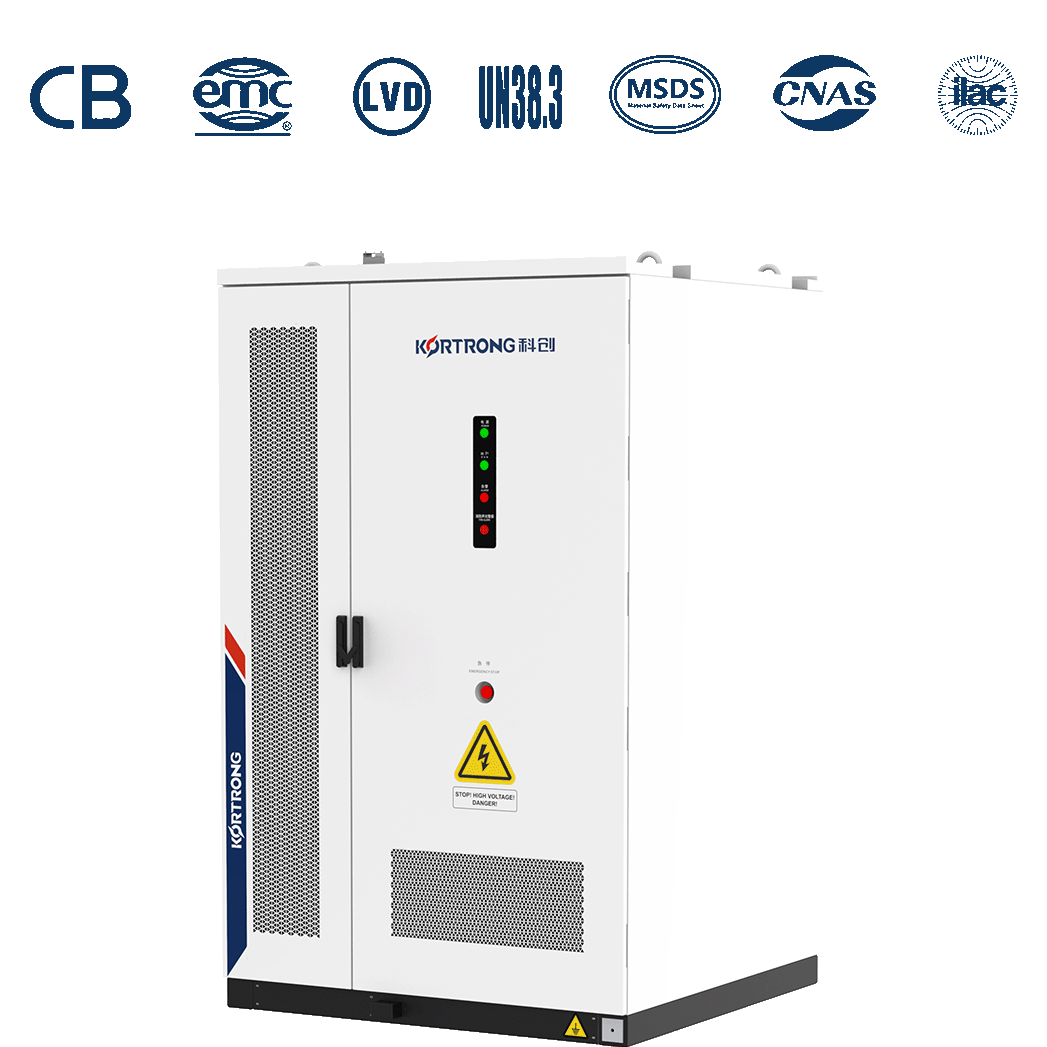
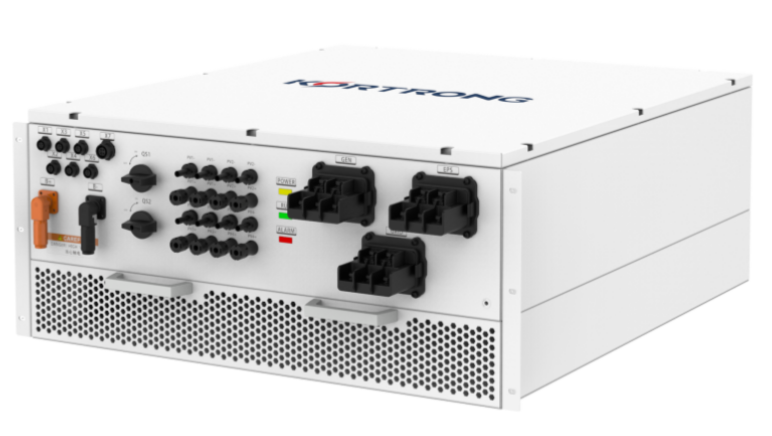
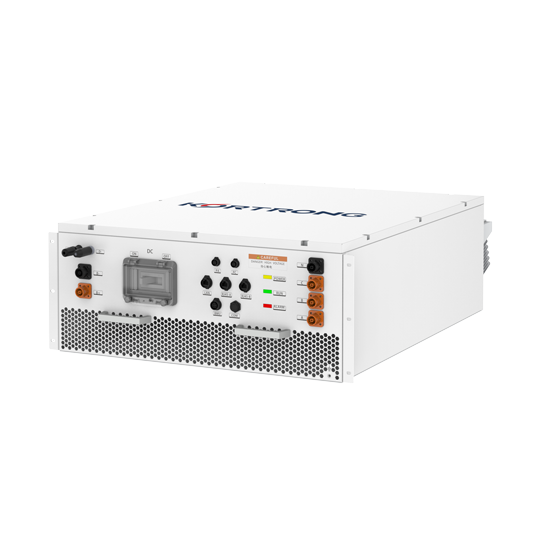
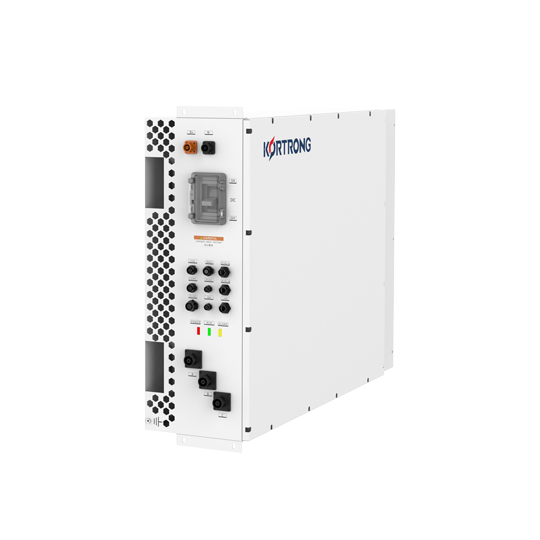
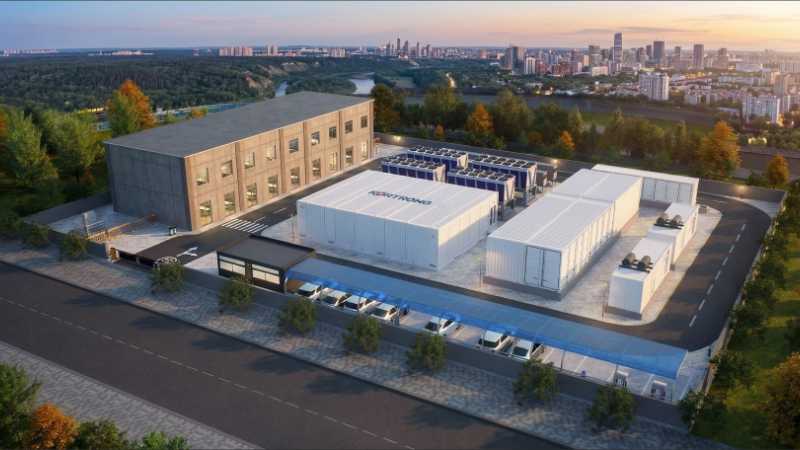
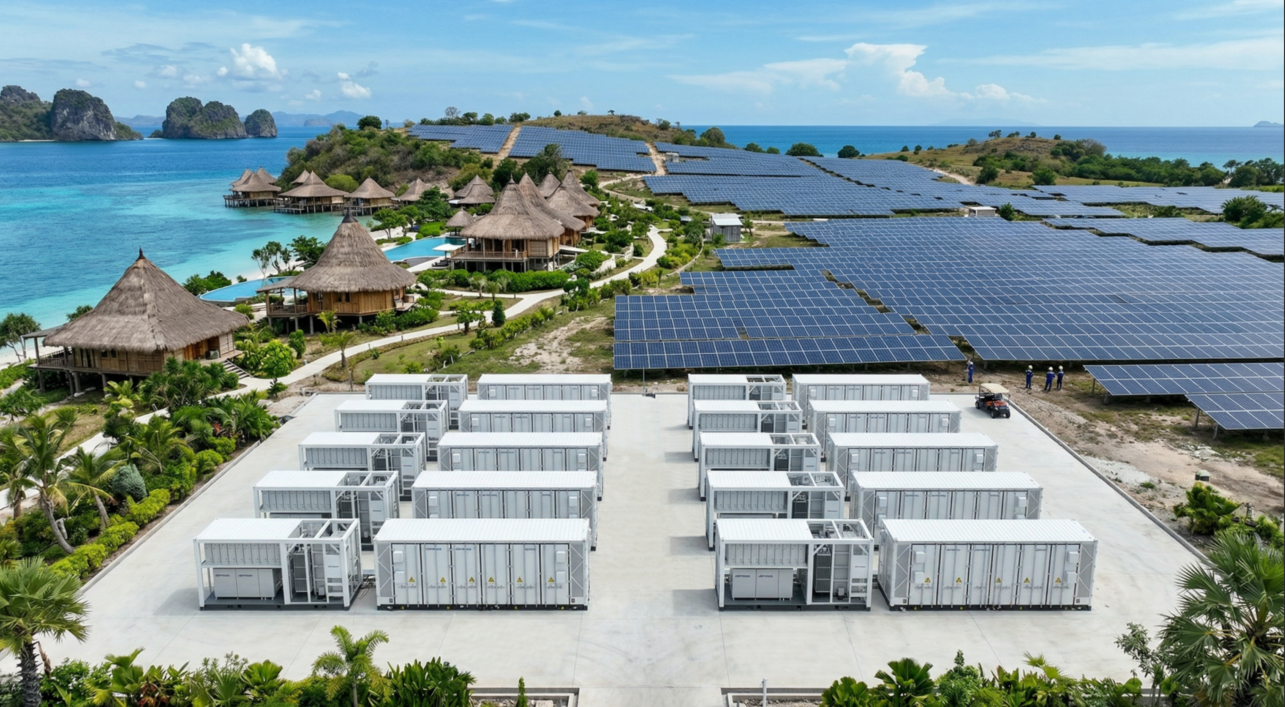
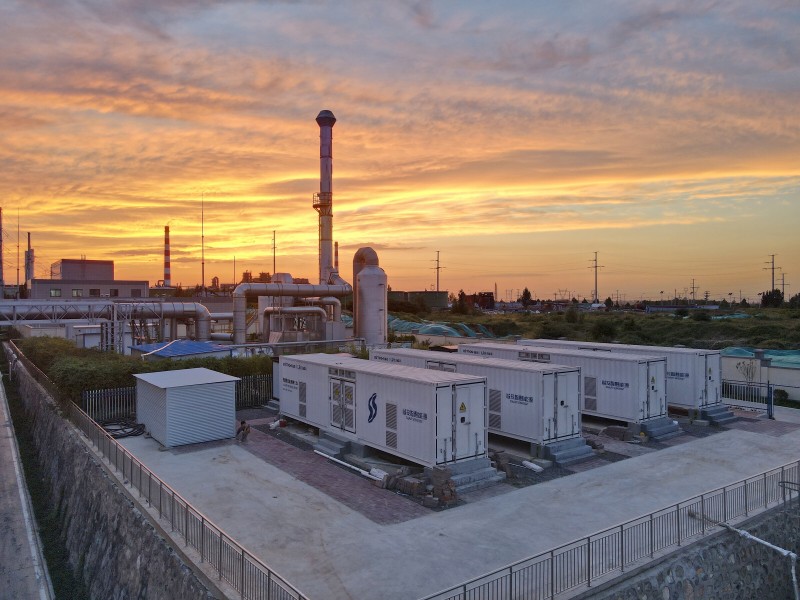
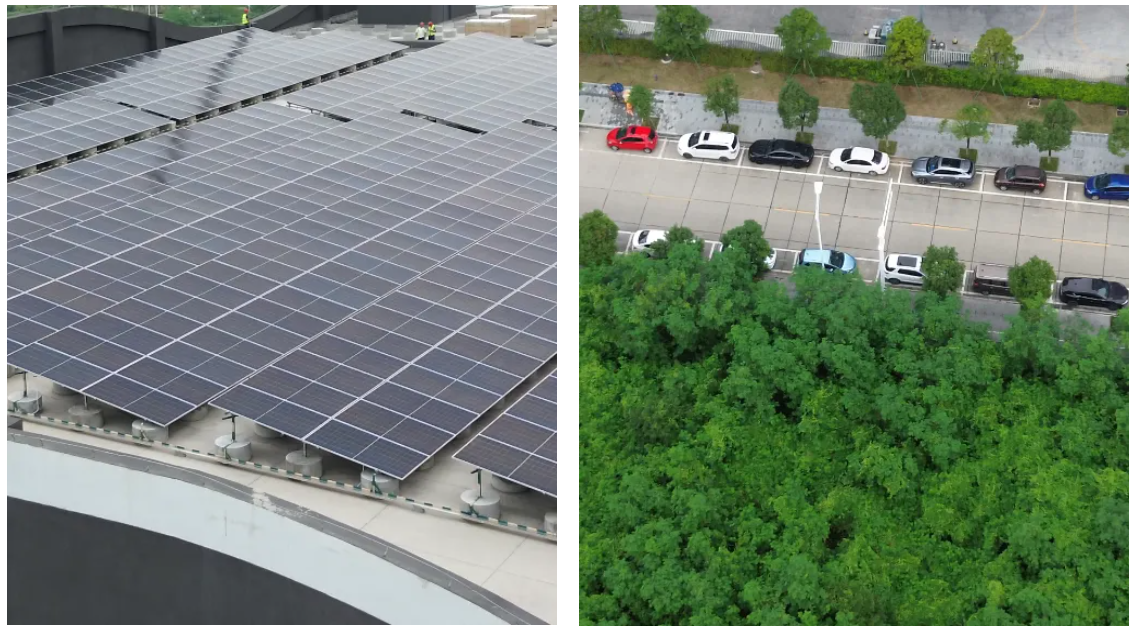
The Kortrong Low-Carbon Park deployed a 3.39 MWh energy storage system and a 1.5 MW photovoltaic array, delivering triple value:

1. Green Power Replacement: Photovoltaic direct supply during peak hours reduces grid dependency by 40%.
2. Uninterrupted Power Guarantee: The storage system responds to load fluctuations in seconds, enabling seamless switching during grid outages.
3. Cost Optimization: A combination of "self-generation and self-consumption + surplus energy storage + peak-valley arbitrage" reduces overall electricity costs by 35%.
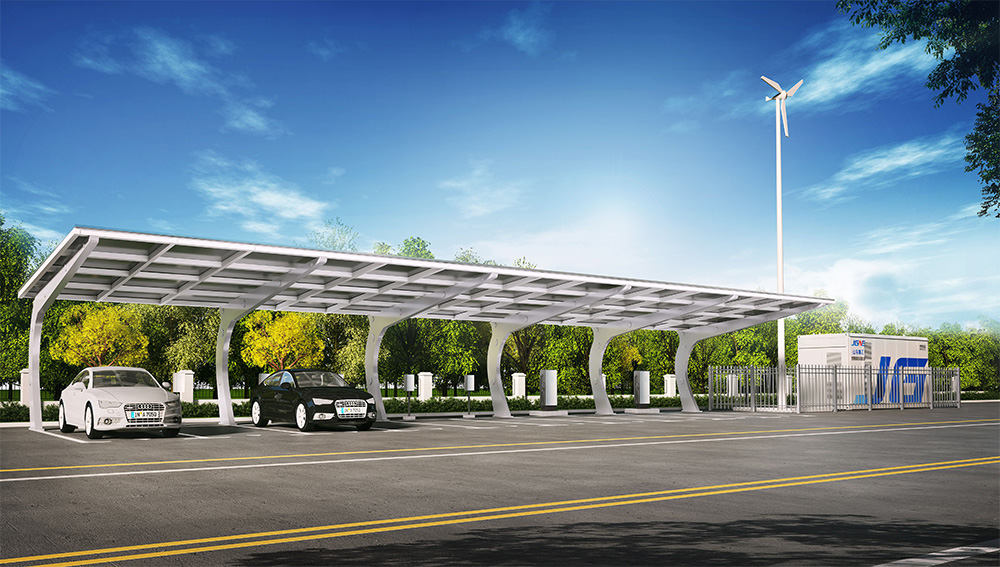
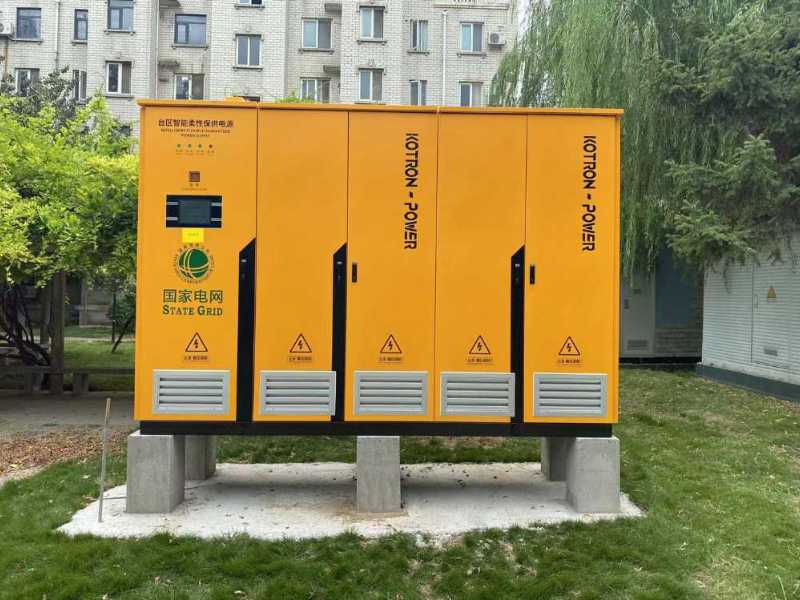
Simultaneously, the load side transforms from a traditional "energy consumer" into a "system participant". The park's 20 supporting charging piles not only consume green power locally but can also be aggregated in the future to participate in grid demand response as a virtual power plant, establishing a new paradigm of "green power consumption + peak-shaving revenue".
02 Creating a Diversified, Self-Sustaining Profitability Loop
The business model for low-carbon parks is progressively moving beyond reliance solely on policies, entering a new development stage centered on market-based revenue and synergistic multi-value creation.
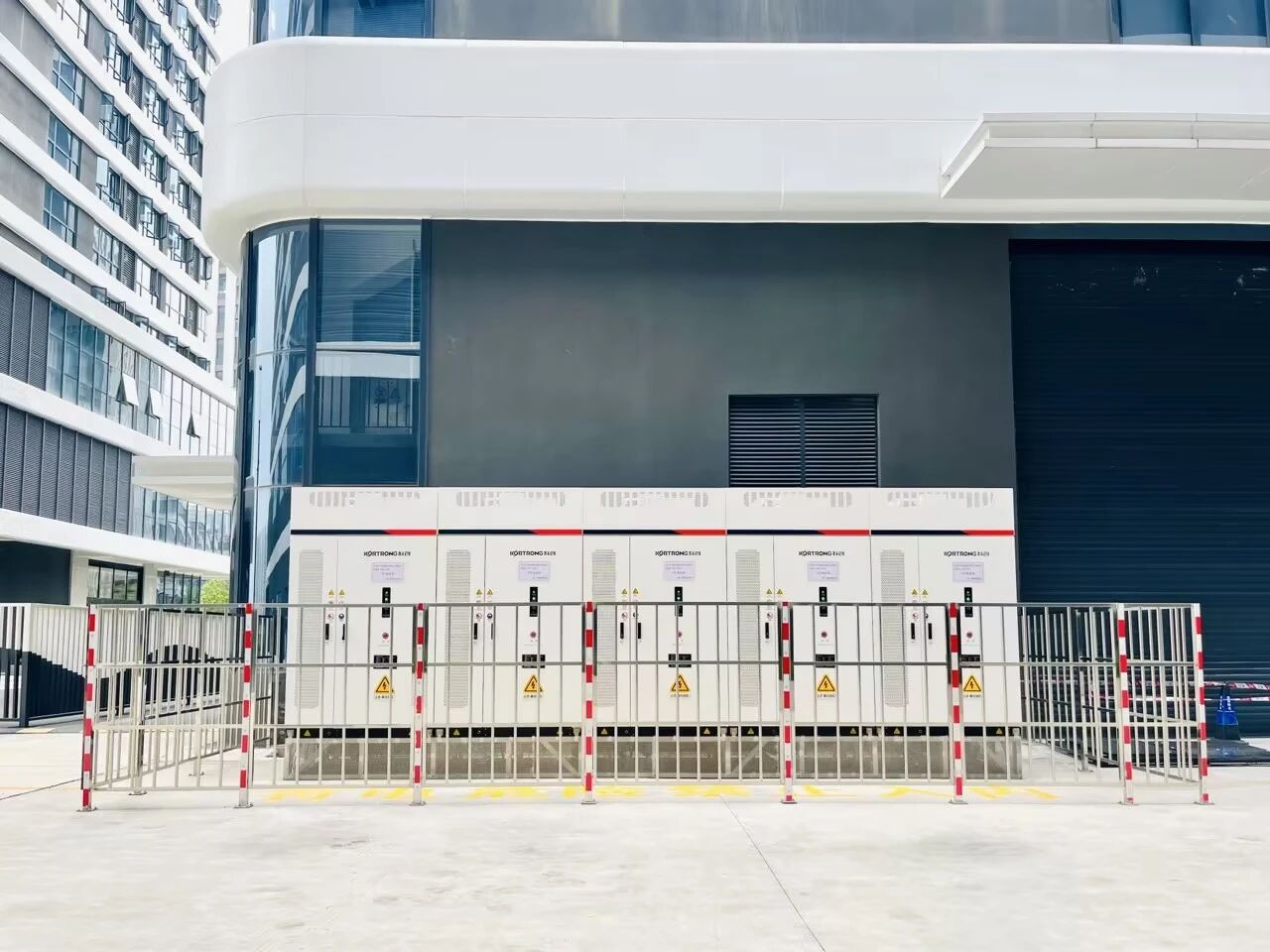
The park's current profitability is primarily driven by three main contributors:
● The photovoltaic system achieves annual electricity cost savings of approximately 1.5 million RMB through "self-generation and self-consumption + surplus electricity feed-in".
● The energy storage system contributes roughly 950,000 RMB in annual revenue via "peak-valley arbitrage + demand response".
● The environmental premium brought by green electricity trading further expands the park's revenue streams.
Beyond profitability, the park's green benefits are equally significant. The PV system's annual electricity generation reaches 1.7 million kWh, equivalent to reducing CO₂ emissions by approximately 1,000 tons. This is comparable to the carbon sequestration of 96,000 trees or the forest carbon sink efficacy covering an area of 50 standard football fields.
03 Intelligent Energy & Carbon Control: Balancing Safety and Returns
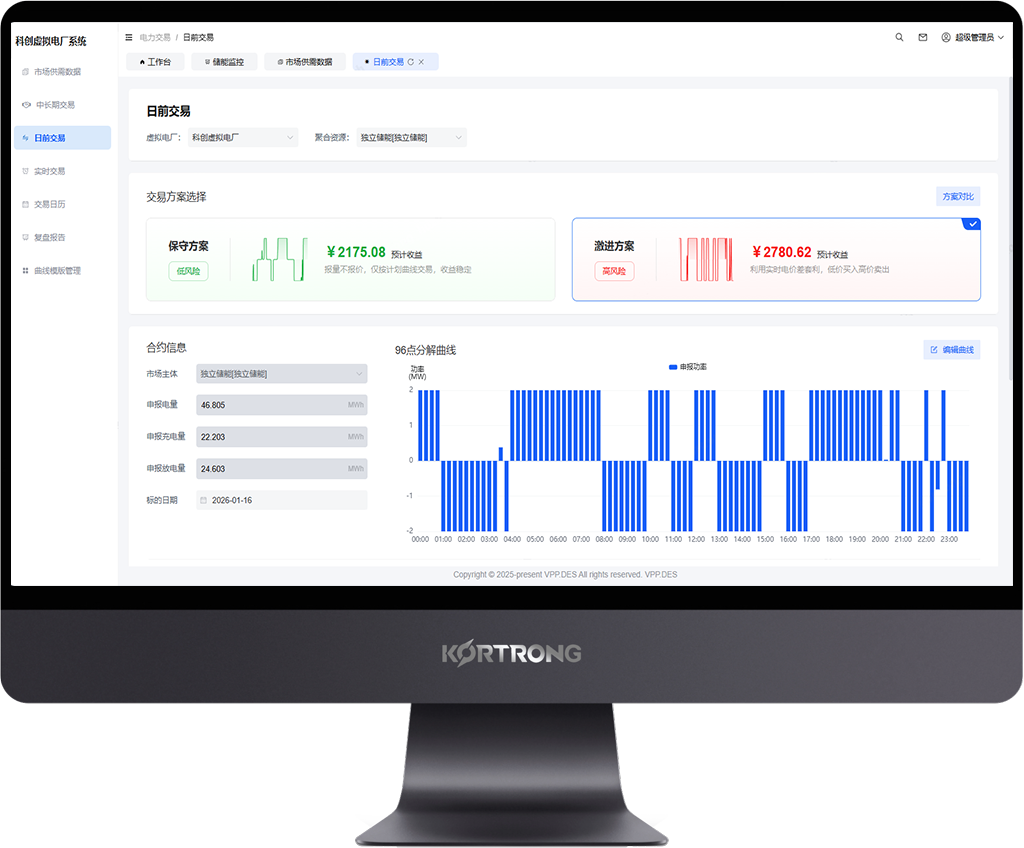
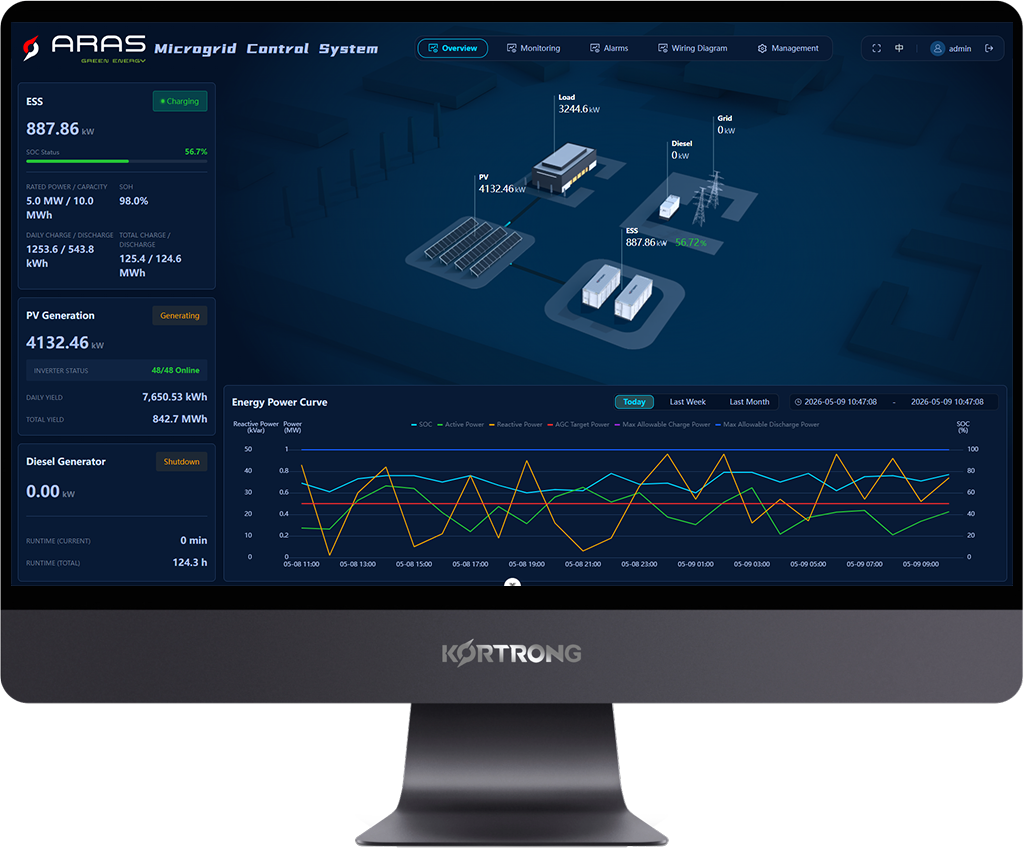
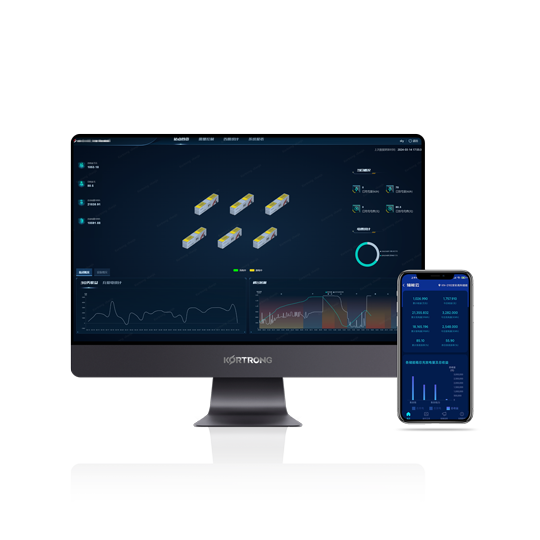
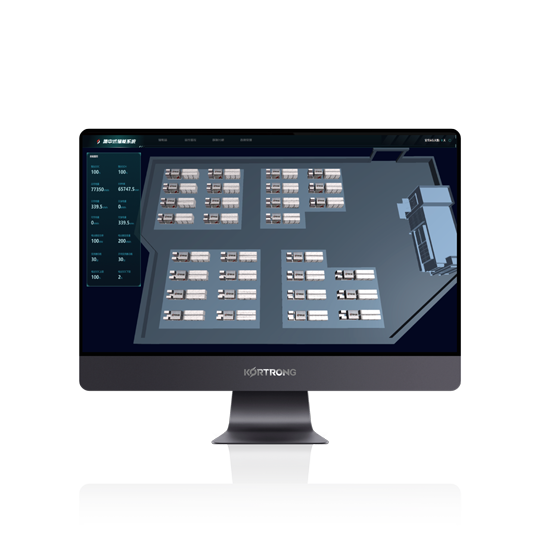
The "Kortrong Cloud Platform", acting as the "neural center" for zero-carbon operations, enables closed-loop management of perception, decision-making, and dispatch based on data, maximizing system revenue while ensuring high safety standards.
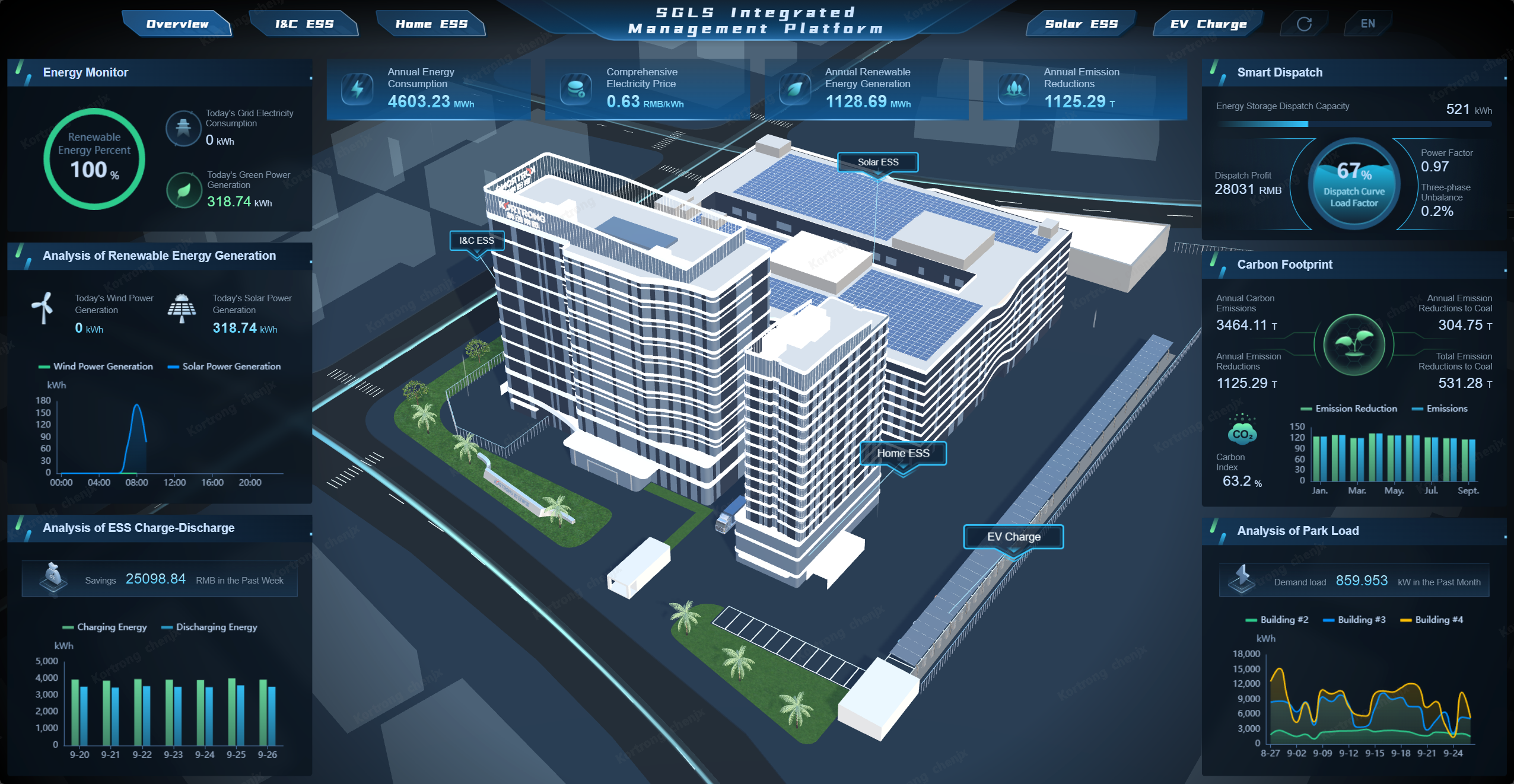
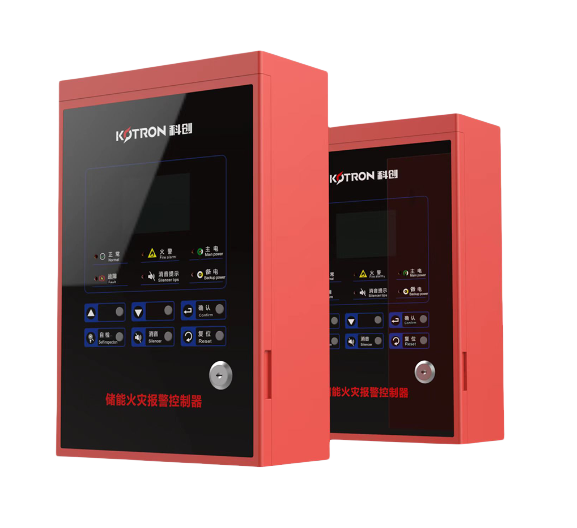
The platform realizes real-time perception and visualization of energy and carbon emission data, aggregating information from photovoltaics, storage, charging, and building energy use. This robustly supports carbon footprint certification and international green trade compliance. Furthermore, it combines AI-based early warning and a minute-level fault response mechanism to solidify the safe operational foundation of the energy system.
Leveraging AI algorithms, the system can forecast power generation, identify load fluctuations, and automatically optimize storage strategies. This also ensures economical and reliable power supply during peak demand periods, continuously enhancing the system's comprehensive energy efficiency and operational competitiveness.
Under the synergistic model of "self-generation and self-consumption + surplus energy storage + peak-valley arbitrage", the system's investment payback period is approximately 4 years. This truly transforms zero-carbon from a cost item into a core competitive advantage, achieving a win-win for both environmental and economic goals.