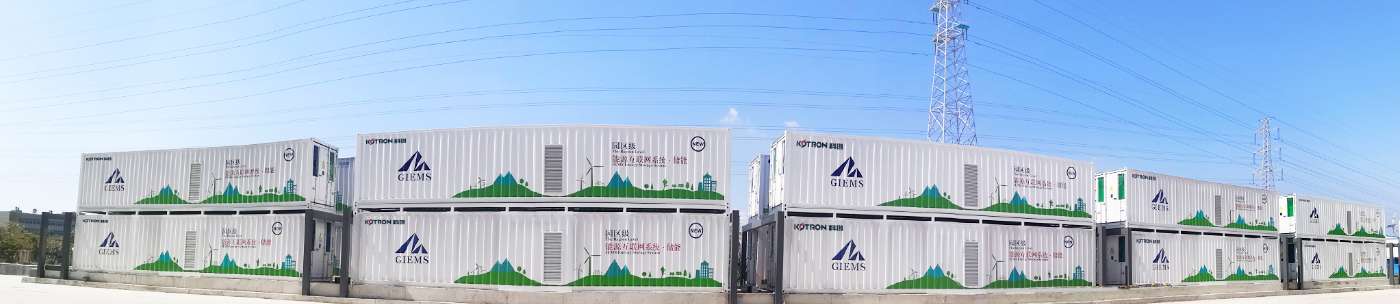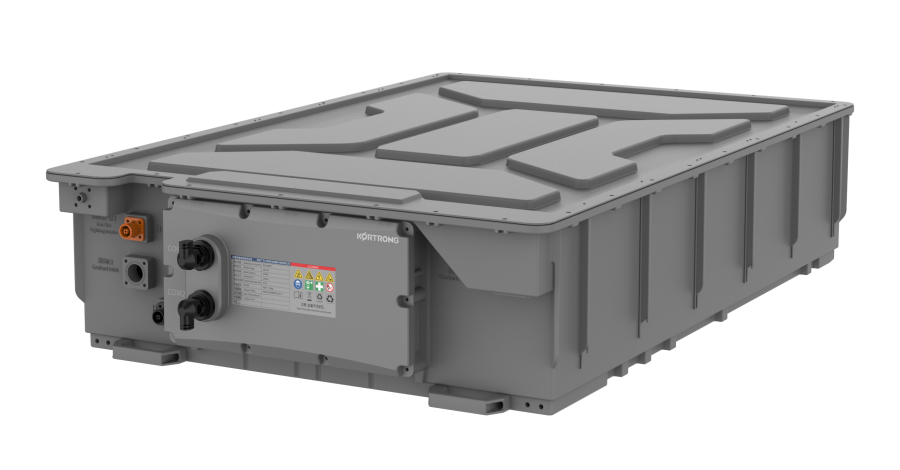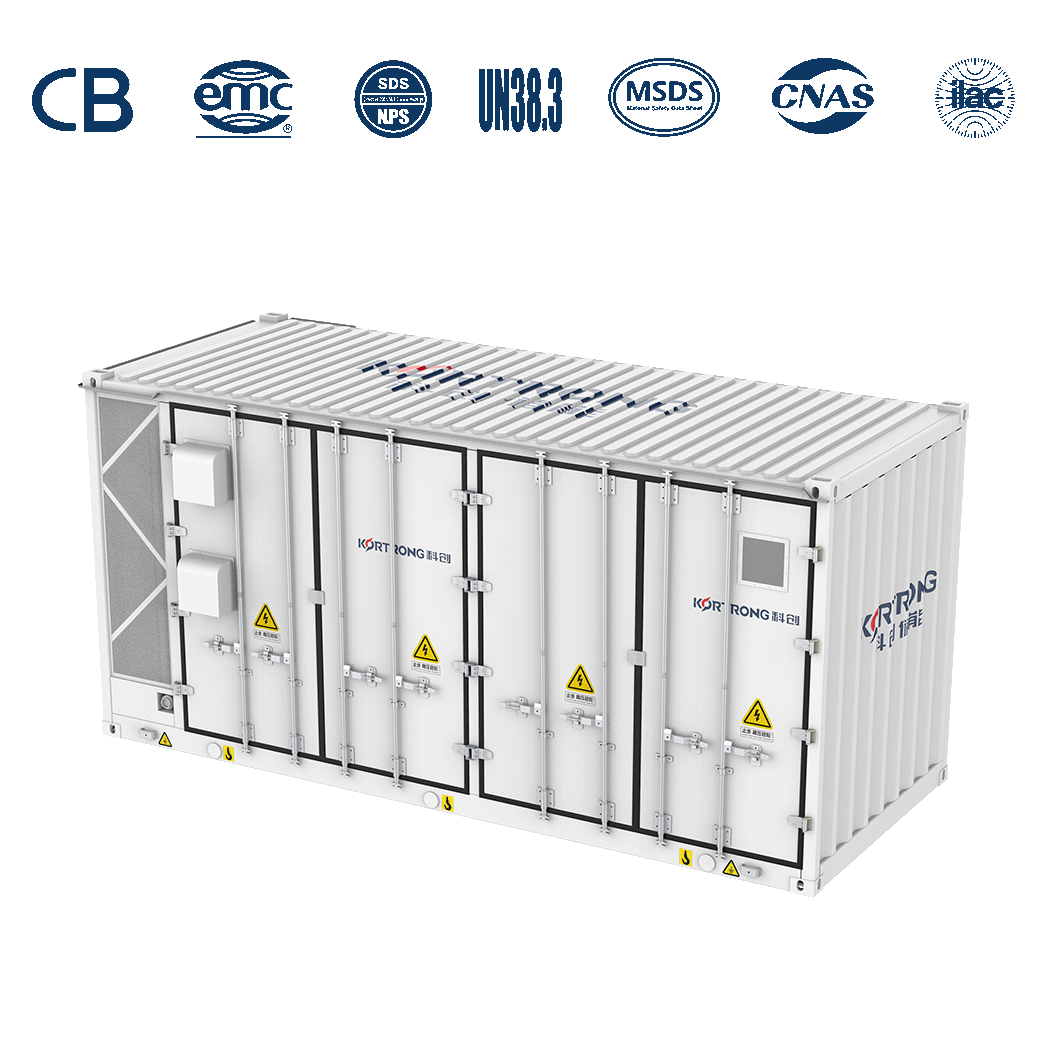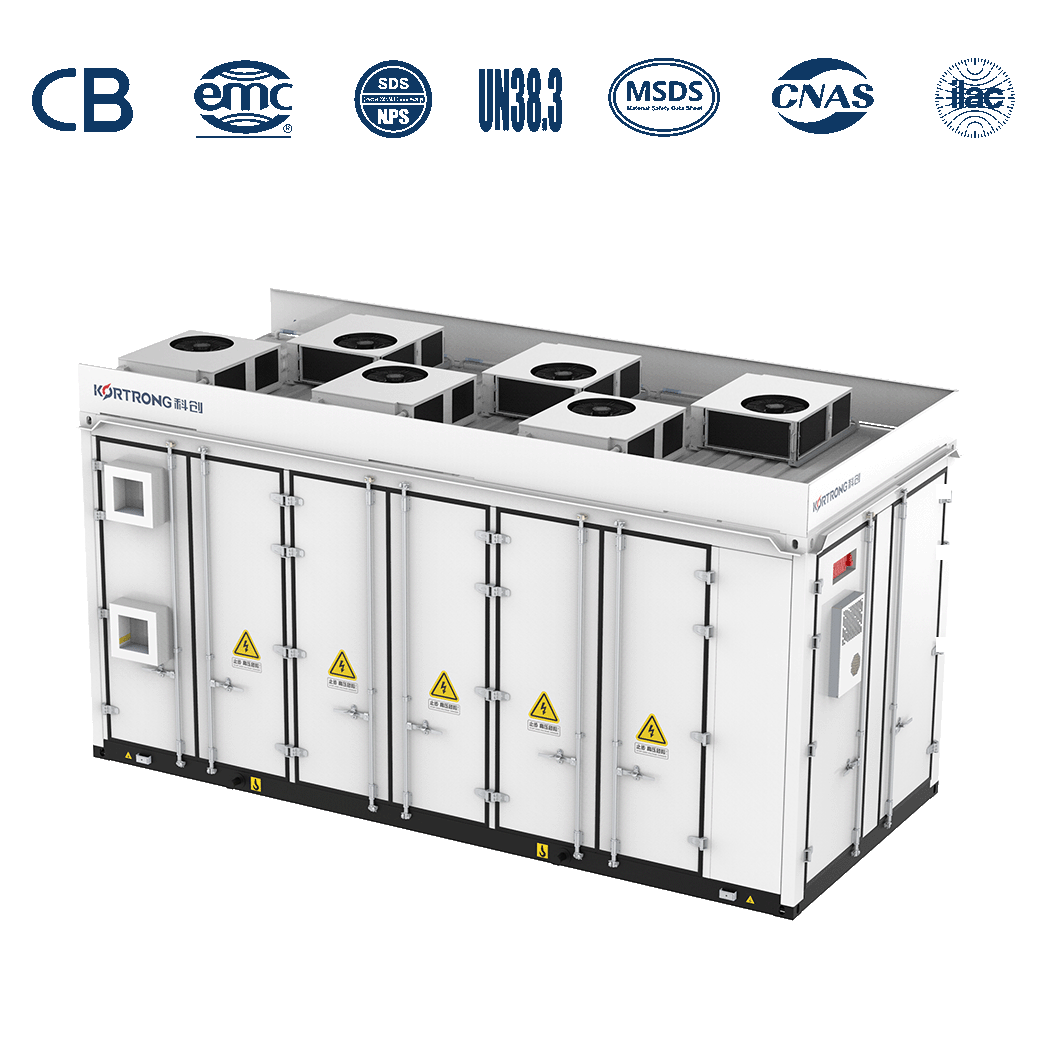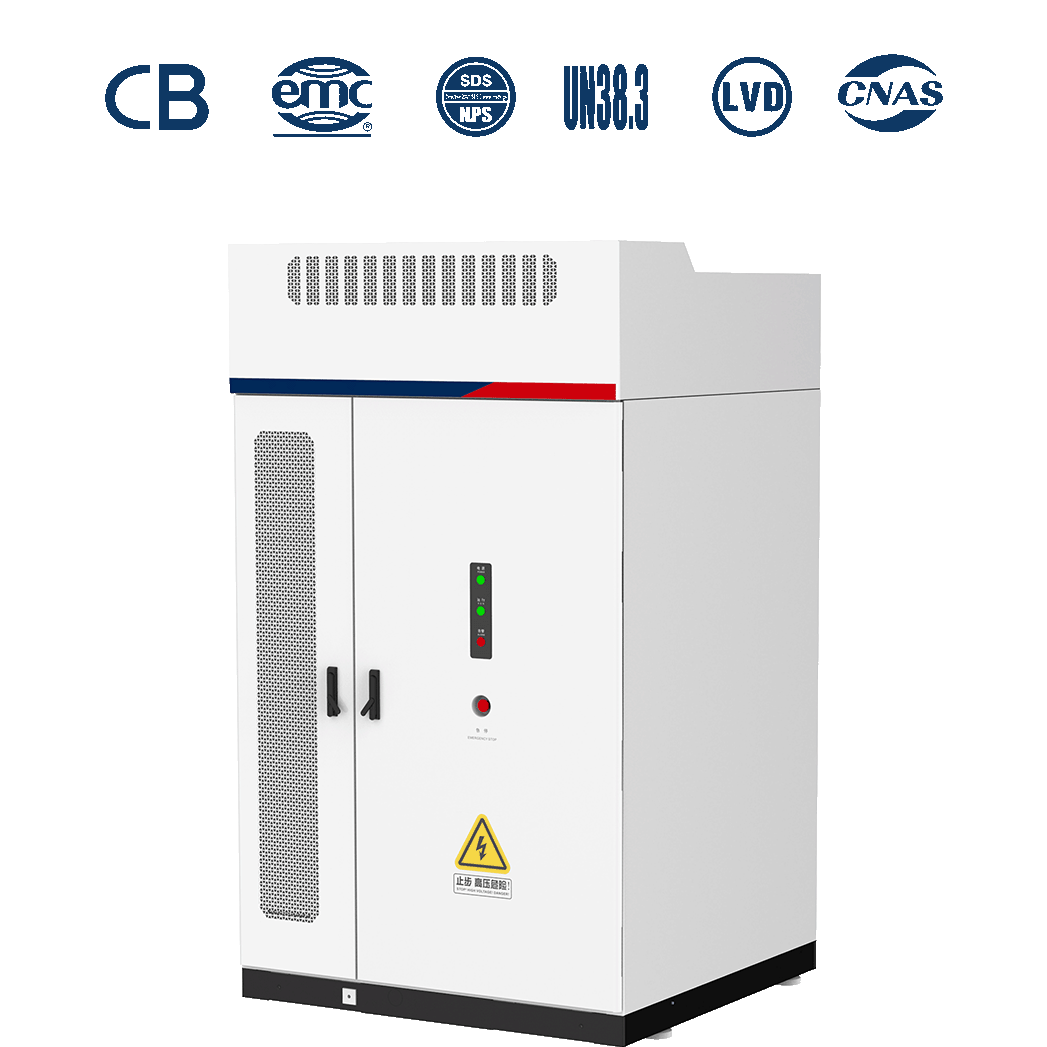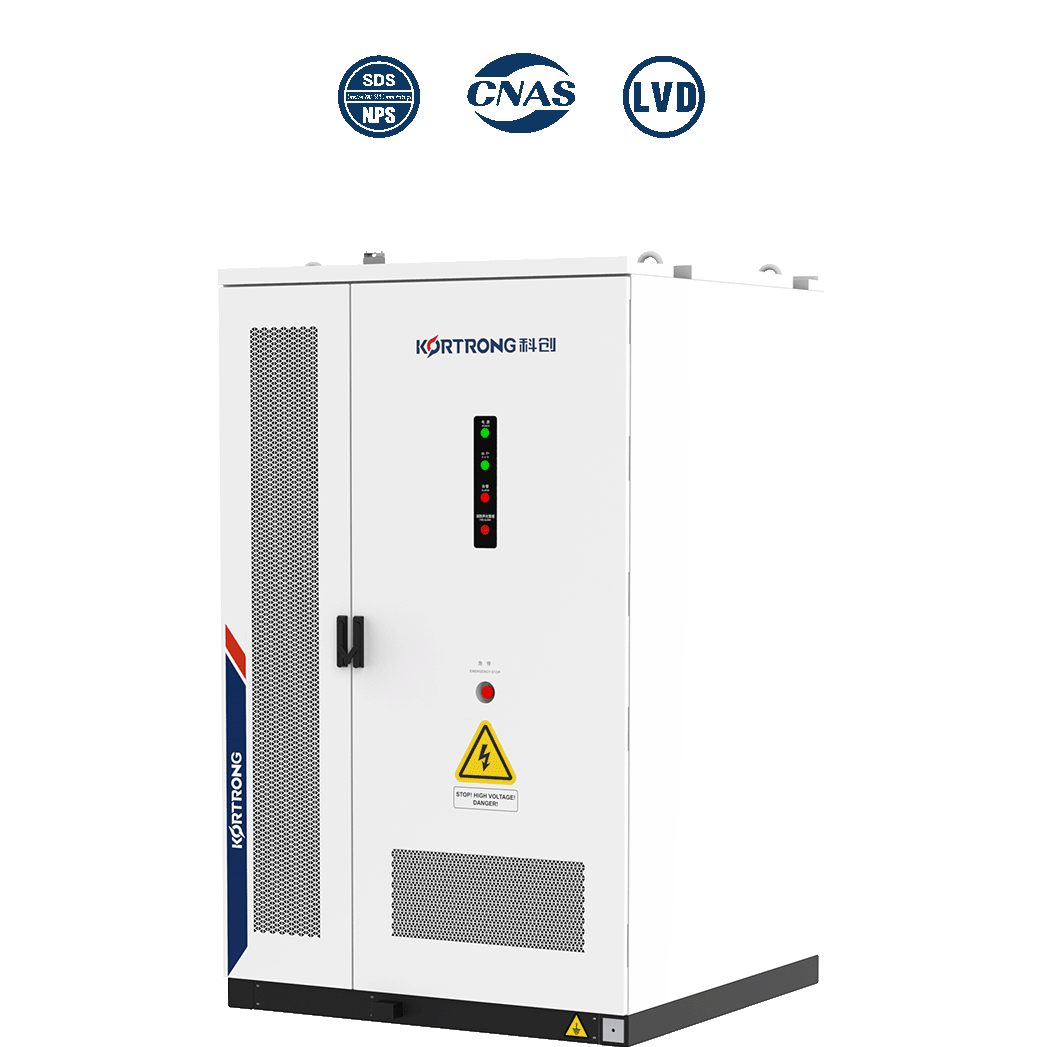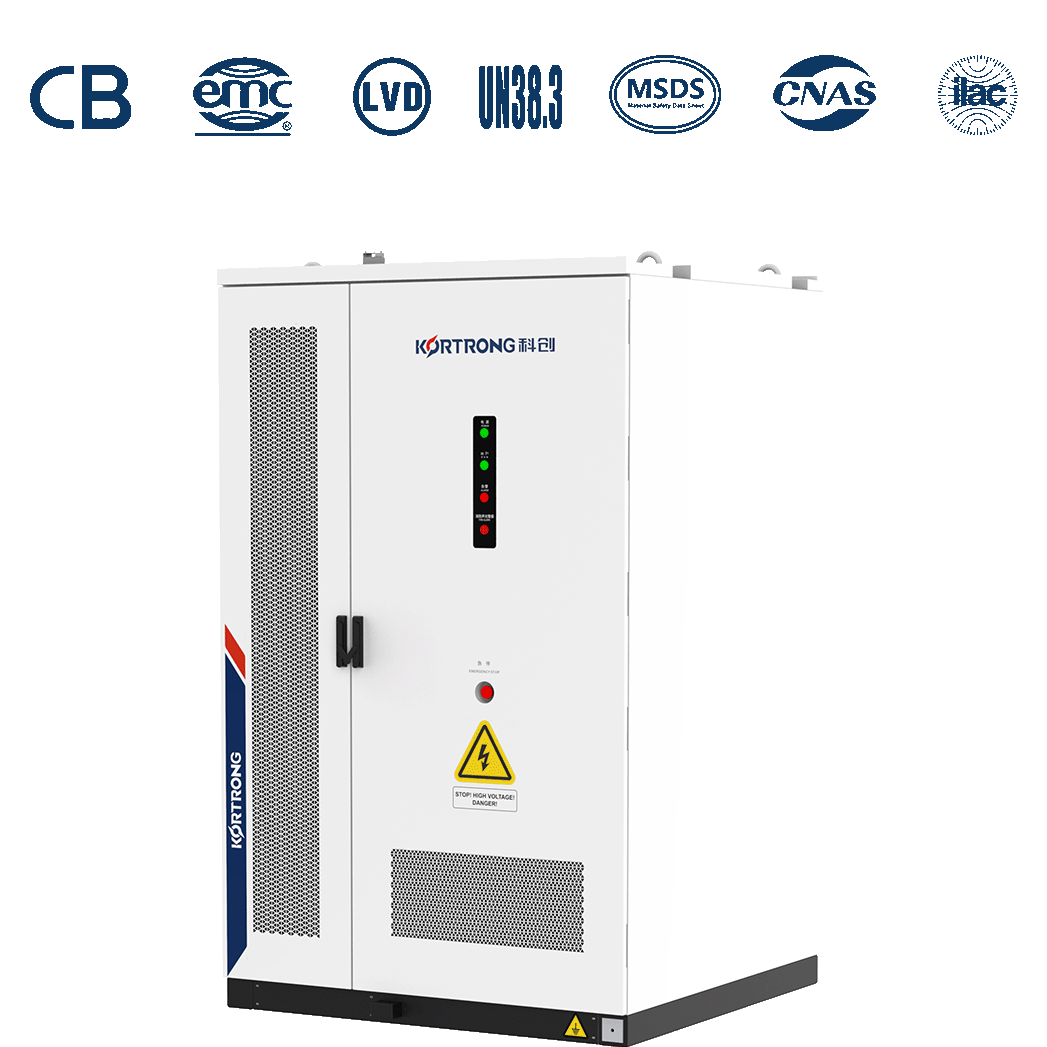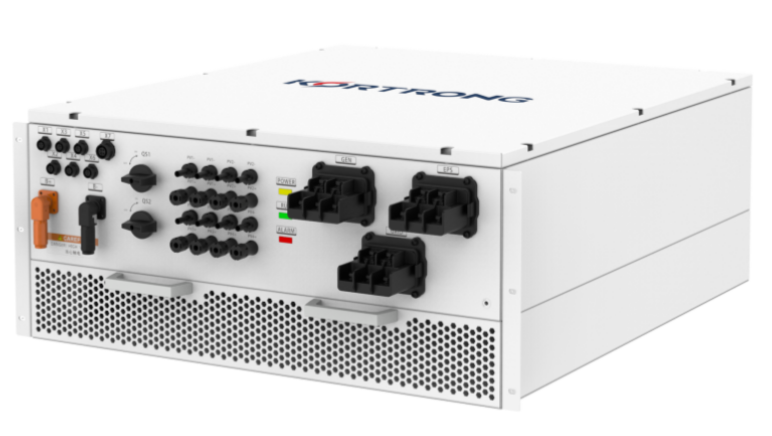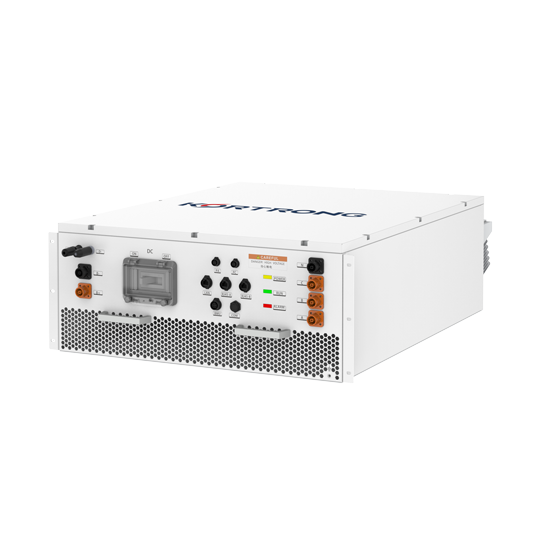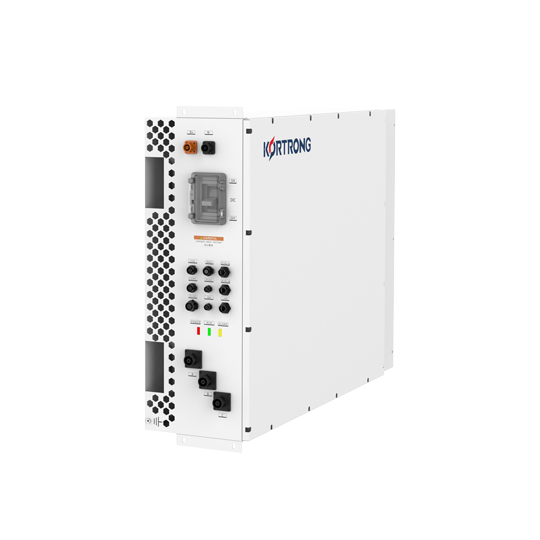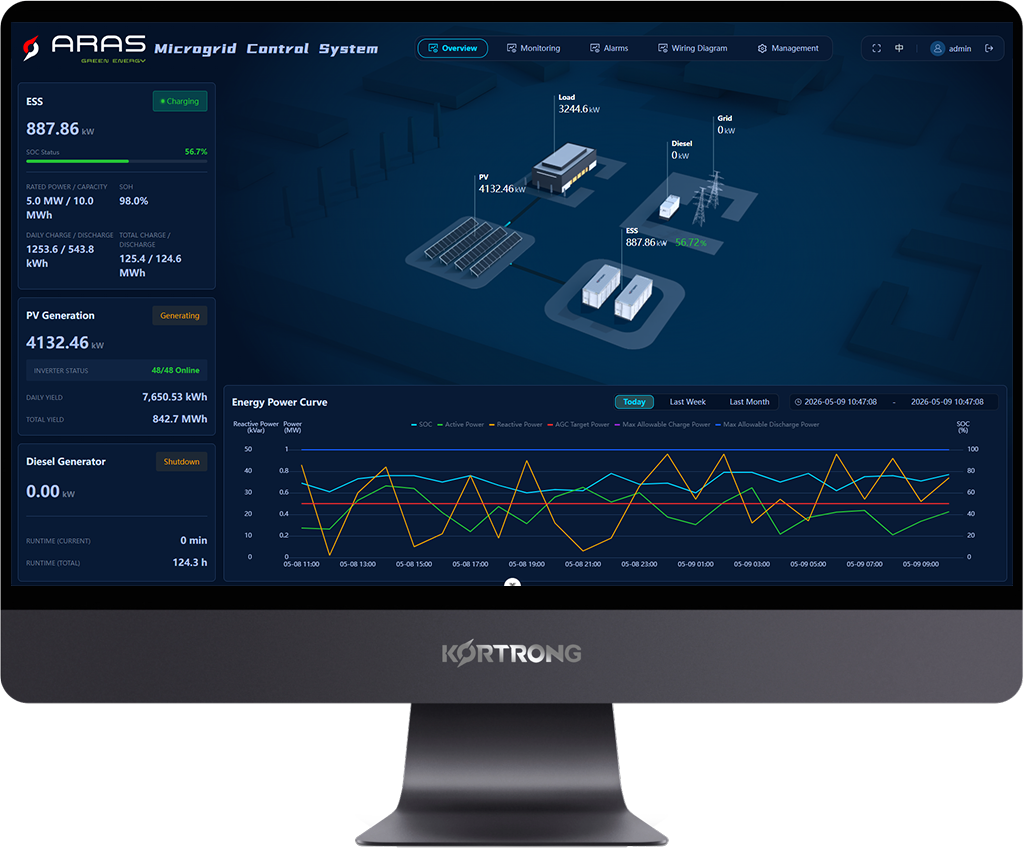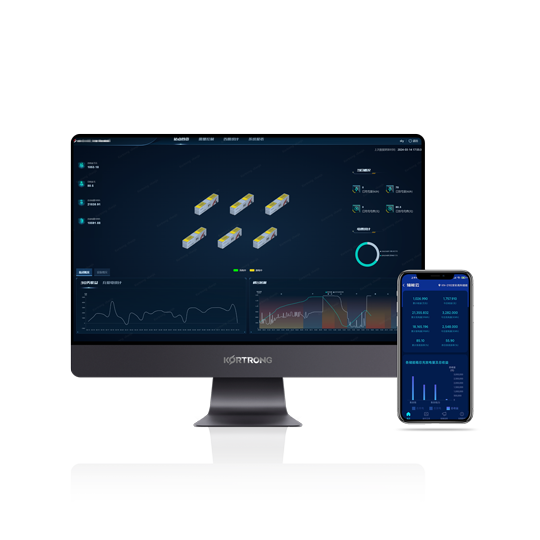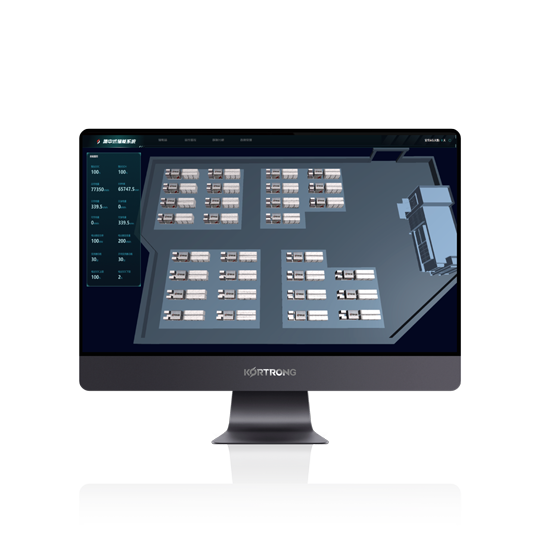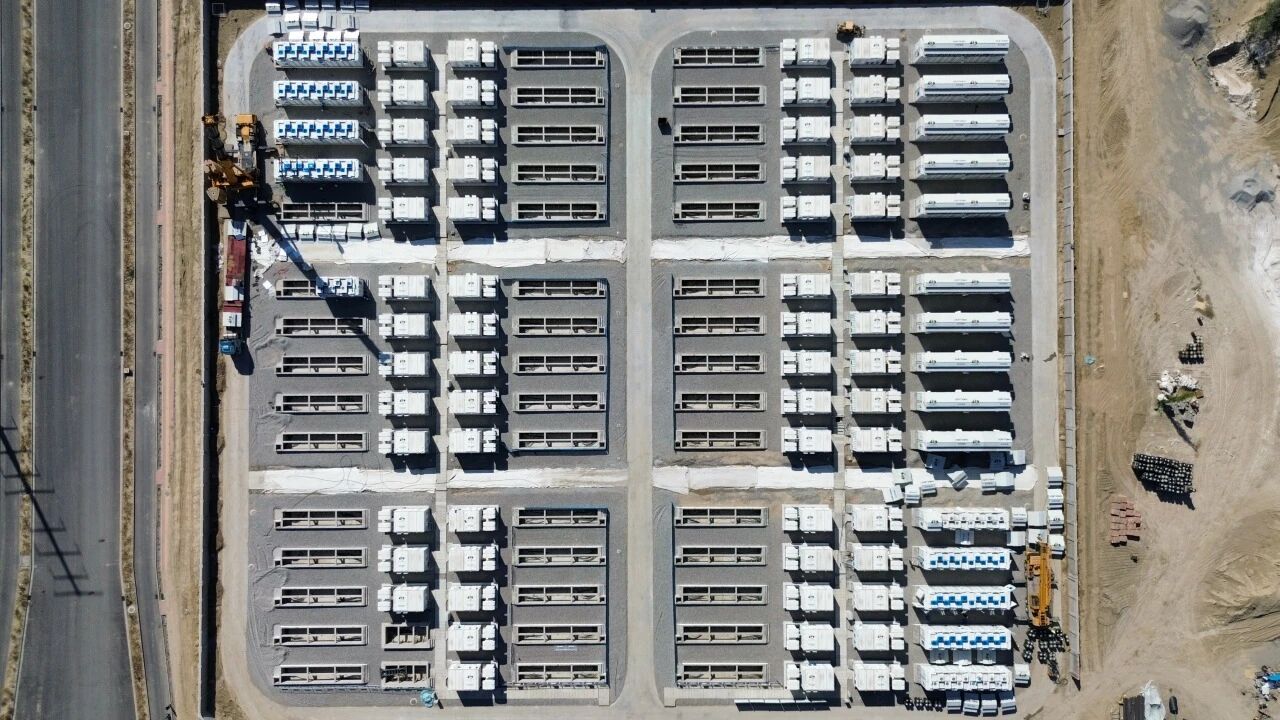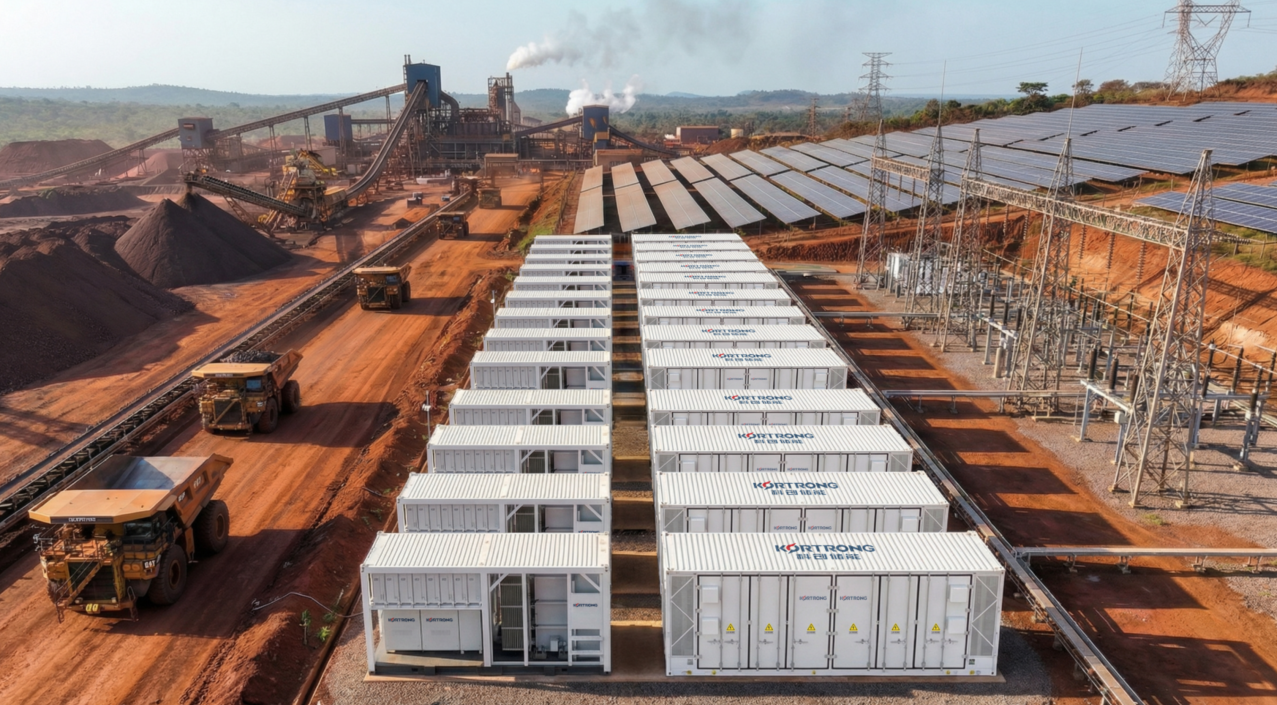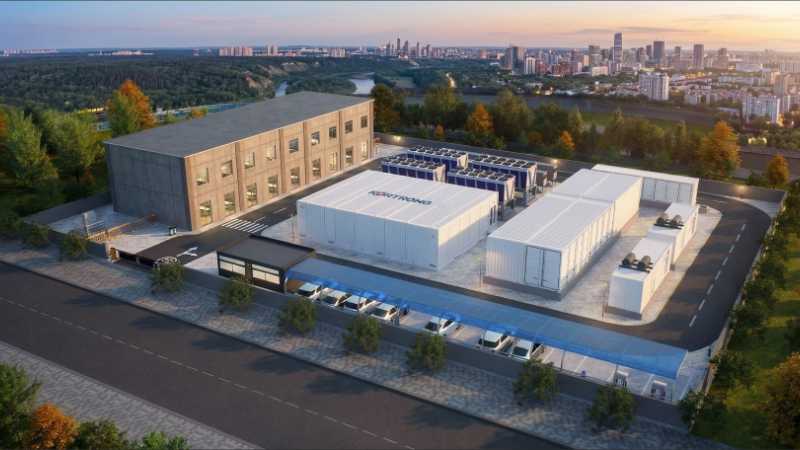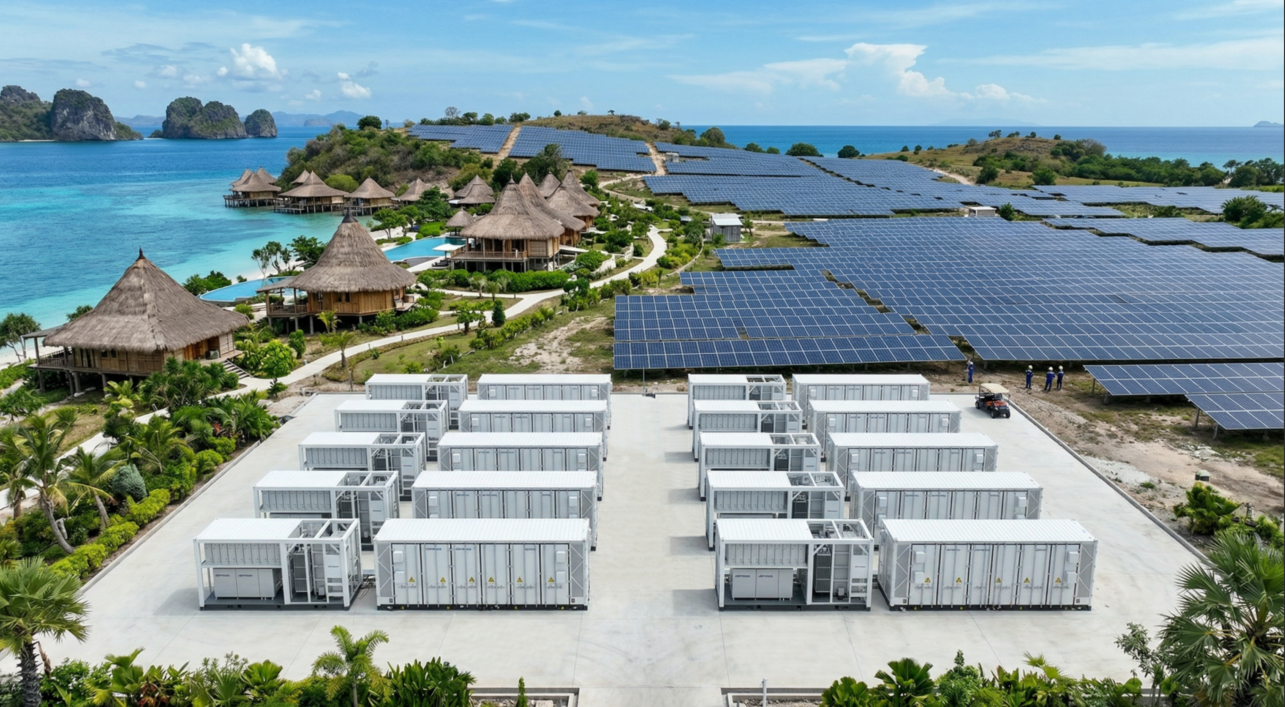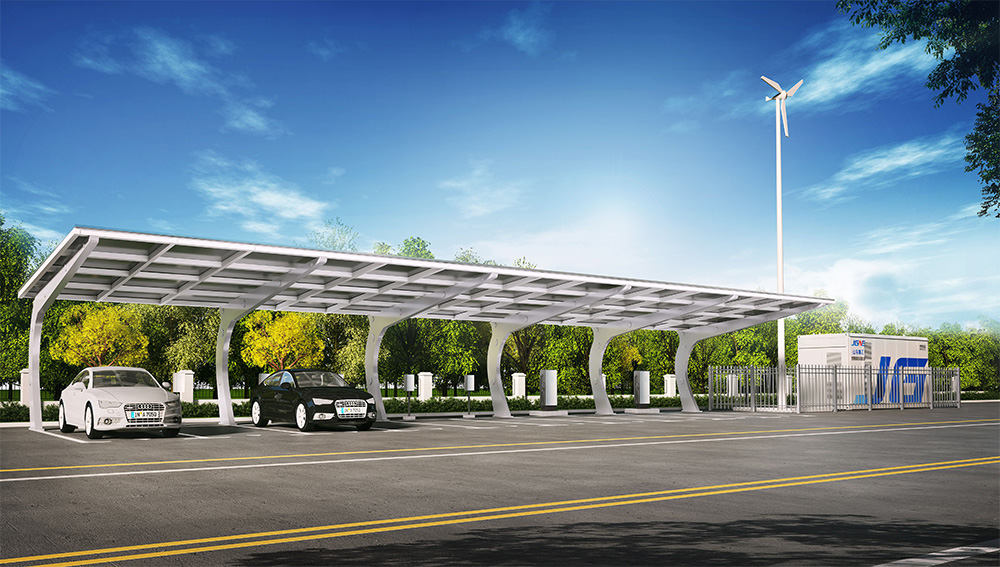
To eliminate the inherent vulnerabilities of legacy backup systems, Kortrong Energy has launched its True 0ms Online PV-plus-Storage System, introducing grid-forming control and immersion liquid cooling to critical healthcare microgrids across Thailand and Southeast Asia.
Thailand hosts nearly three million international medical tourists annually and leads ASEAN in JCI-accredited hospitals. Yet, despite ultra-strict operational requirements, regional power quality remains volatile.
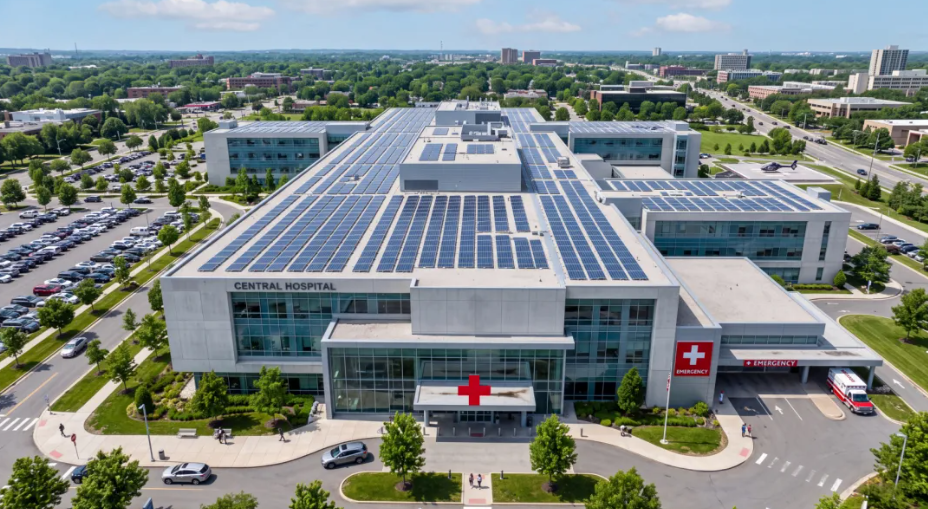
For decades, healthcare facilities have relied on a classic tripartite architecture: Utility Grid + Online Lead-Acid UPS + Diesel Generator. Under real-world grid fault conditions, this design exposes three fatal flaws:
The 10-to-15-Second Window of Vulnerability: While static UPS units buffer initial switching, backup diesel generators require 10 to 15 seconds to crank, ramp up, and stabilize. During prolonged voltage dips or generator failure-to-start events, sensitive medical equipment is left entirely vulnerable to power quality degradation.
The Lead-Acid TCO Trap: Traditional lead-acid UPS banks suffer from low round-trip efficiency (RTE), footprint bloat, and a mandatory 4-year full replacement cycle, saddling facility managers with unsustainable full-lifecycle maintenance costs.
The Latent Thermal Hazard: Conventional air-cooled or cold-plate battery banks cannot fundamentally eliminate thermal runaway risks. Installing high-risk battery arrays inside space-constrained hospital complexes turns the emergency power room itself into a safety hazard.
When a private hospital’s primary asset is its medical reputation, power disruptions do not just damage high-value hardware—they erode patient trust and trigger catastrophic brand devaluation.
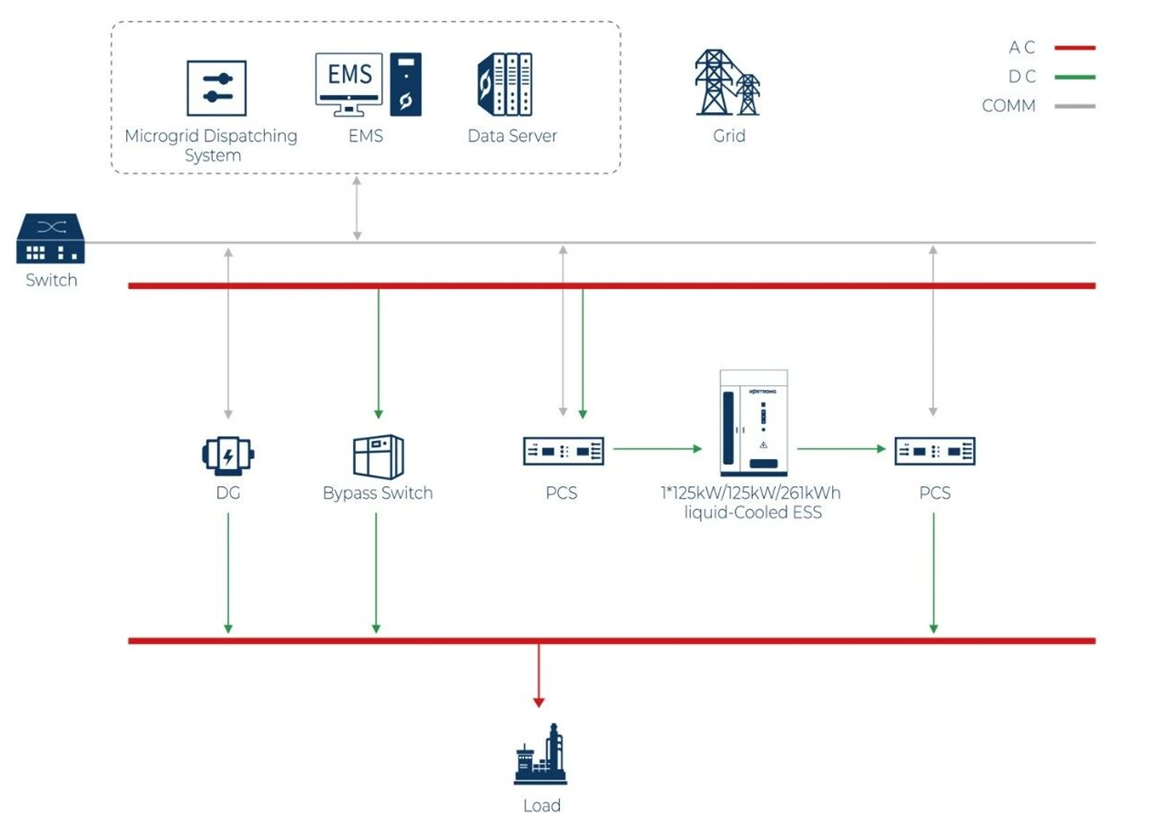
To completely replace legacy UPS and diesel reliance during short-to-medium outages, Kortrong combines an online BESS architecture with grid-forming Virtual Synchronous Generator (VSG) control and unified AC/DC power distribution. The system eliminates switching gaps across four critical operational states:
Grid-Tied Power Conditioning: The system actively regulates line voltage and suppresses sags while maintaining a 100% standby state.
Instantaneous Islanding (Grid Failure): The BESS instantly assumes bus voltage control via grid-forming mechanics, sustaining critical medical loads with true 0ms transfer latency and zero power flicker.
Buffered Extended Outages: If an outage outlasts battery autonomy, the system signals the diesel generator to start while the BESS dynamically buffers the load demand during engine ramp-up—eliminating power dips completely.
Seamless Reconnection: Once grid power stabilizes, the system synchronizes frequency and transitions load back to the utility seamlessly.
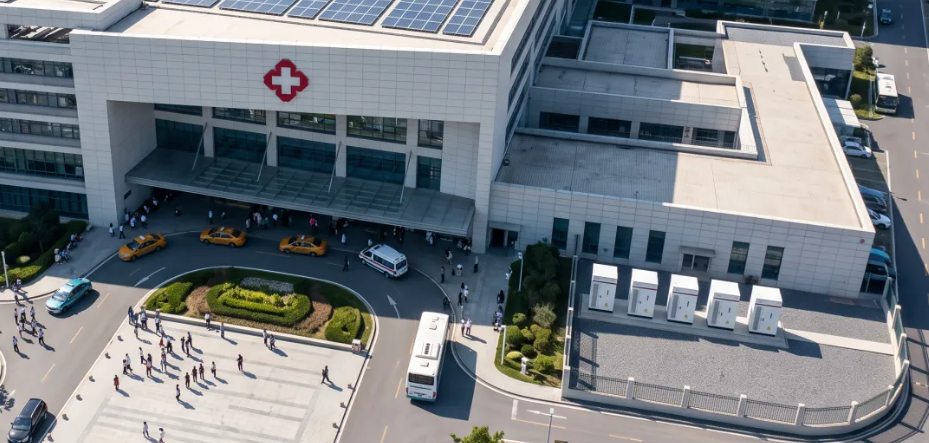
Beyond zero-latency switching, healthcare infrastructure demands zero-tolerance battery safety. Kortrong addresses thermal runaway through proprietary flow-through immersion liquid cooling, completely submerging cells in a non-conductive dielectric fluid.
By physically isolating oxygen, thermal runaway propagation is suppressed at the source. In rigorous safety testing aligned with international standards:
Zero Open Flame & Zero Thermal Propagation: Cells subjected to forced thermal runaway showed zero flame output and zero heat transfer to adjacent cells.
Micro-Climate Temperature Uniformity: Core cell-to-cell temperature differentials are strictly maintained within ≤2°C, dramatically slowing degradation.
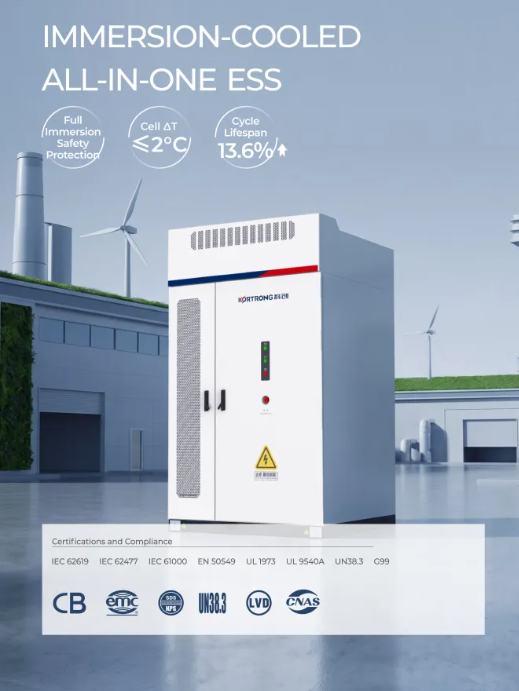
Compared to conventional lead-acid UPS setups, Kortrong’s immersion BESS delivers 4x the energy density and a 13.6% longer cycle life over standard liquid-cooled Lithium-ion systems. This compact, low-maintenance profile directly addresses the severe footprint constraints of urban hospital facilities.
In partnership with local system integrator Beta Energy, Kortrong is rapidly deploying this architecture across Thailand’s premium private healthcare network.
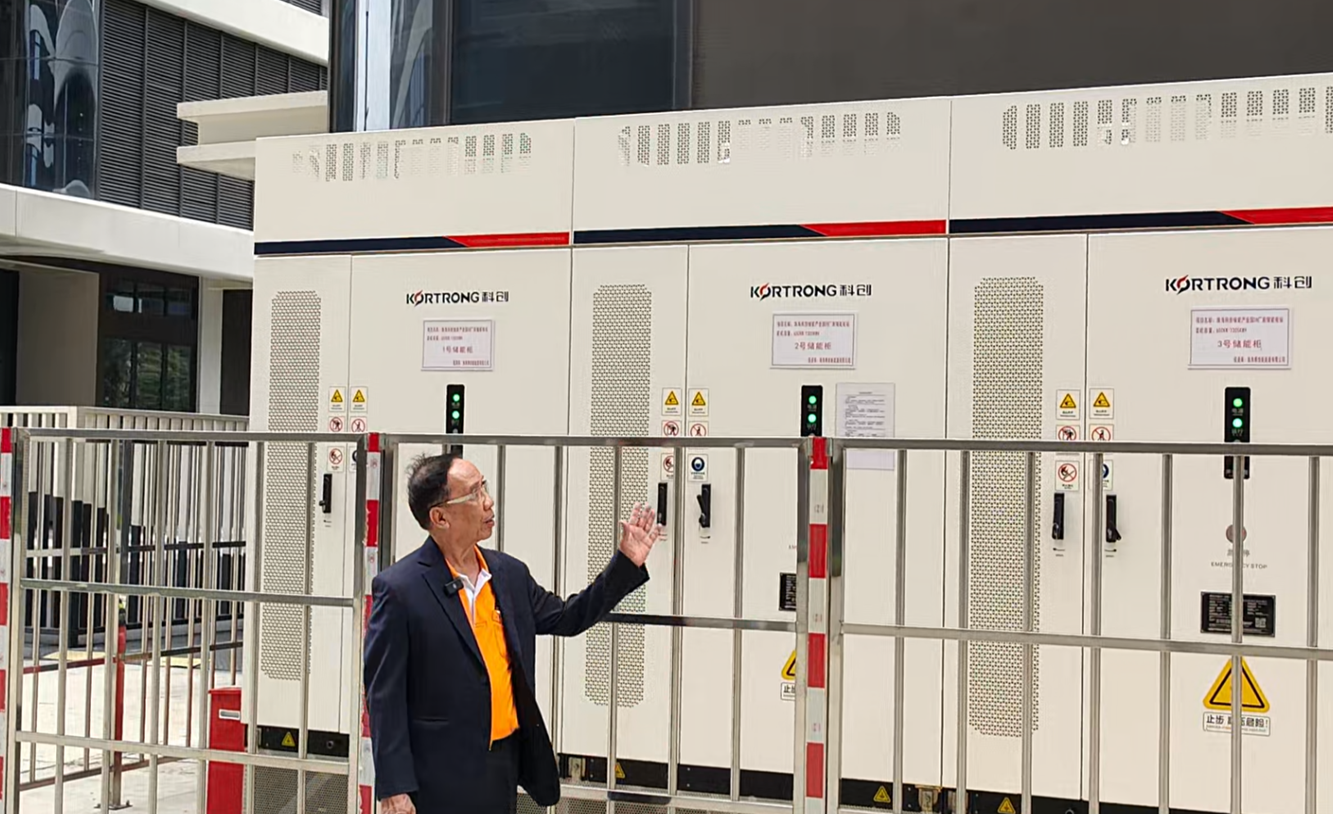
Historically, hospital facility engineers were forced to trade off between switching speed, system footprint, and battery thermal safety. Kortrong’s immersion-cooled grid-forming BESS solves all three simultaneously—delivering uninterrupted operational continuity, lower full-lifecycle TCO, and absolute thermal safety.
With Thai medical centers serving as the benchmark, Kortrong is expanding its "0ms transfer + immersion cooling" platform across Southeast Asia—redefining emergency power from a risky functional backup into an intrinsically safe, zero-downtime microgrid standard.