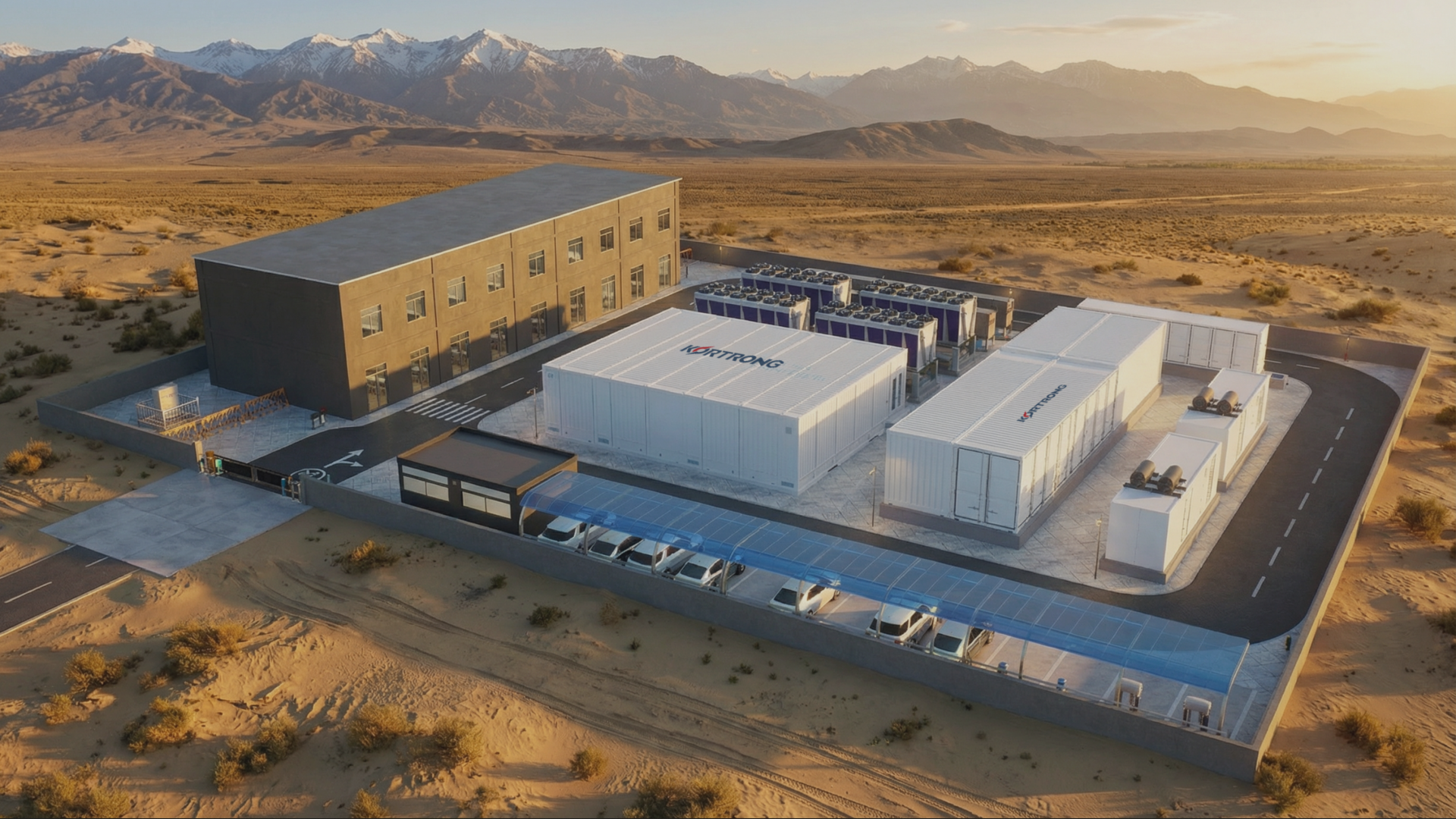
Discussions around immersion liquid cooling in energy storage tend to fixate on two dimensions: safety and upfront cost. Rarely do they take a full‑lifecycle view — yet returns are determined by risk, efficiency, and lifespan combined. Immersion impacts all three.
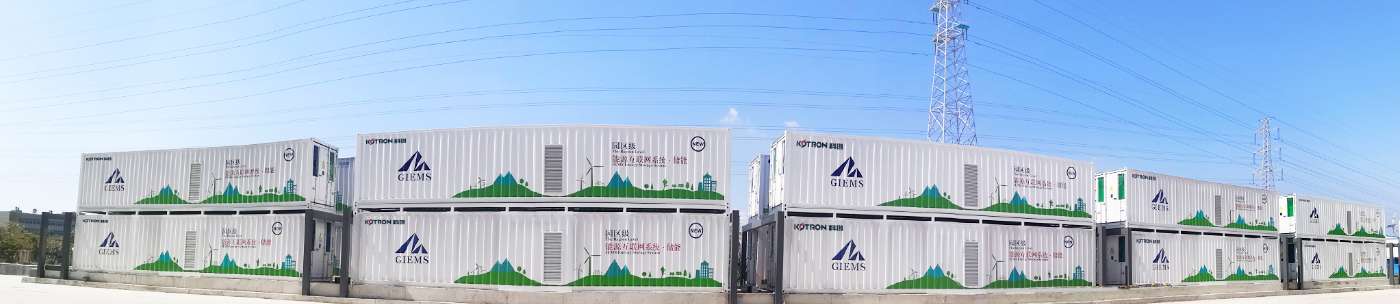
As the first company to mass‑produce immersion‑cooled storage, Kortrong has deployed over 3 GWh of immersion‑cooled projects worldwide. In this Q&A, we address the most frequently asked questions with real operating data.
Q: How does Kortrong's flow‑type immersion liquid cooling actually work?
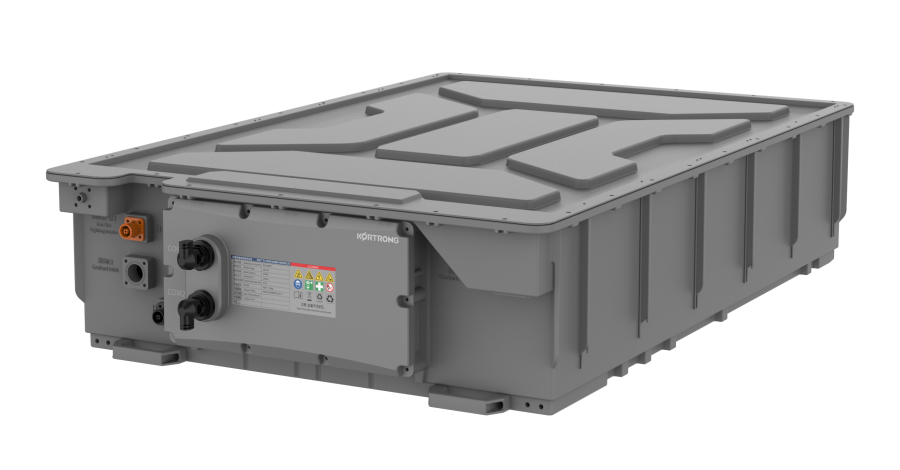
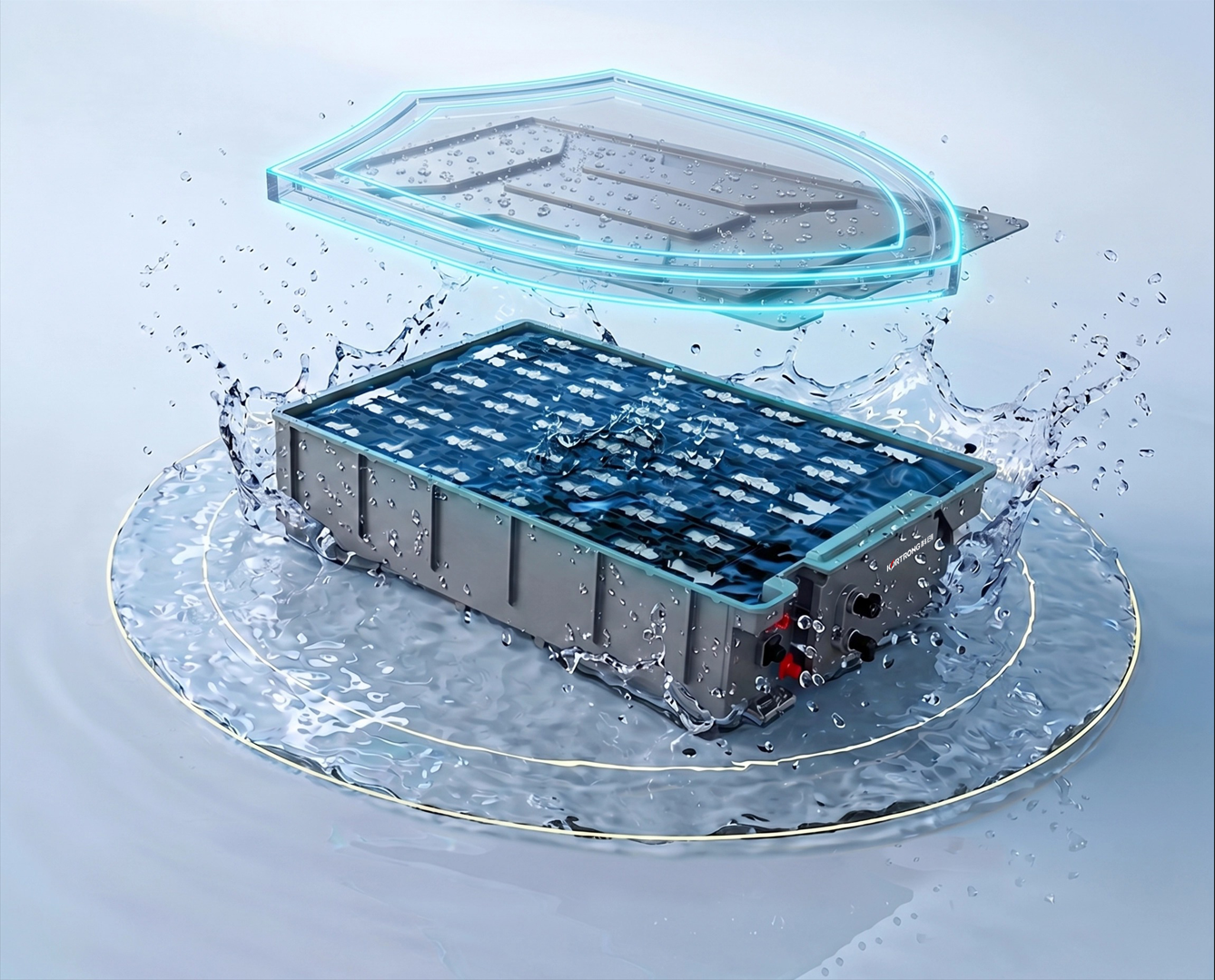
A: Cells are fully and directly submerged in a specialized dielectric coolant. The circulating coolant makes full contact with the cell surface for heat exchange. Kortrong's proprietary coolant is non‑corrosive to battery metals and all immersed components. Pack‑level flow‑through immersion delivers higher heat exchange efficiency and better cell temperature uniformity.
Q: Why is Kortrong's immersion technology "intrinsically safe"?
A: Kortrong's immersion liquid cooling achieves intrinsic safety through two mechanisms: thermal runaway suppression and thermal runaway prevention.
Thermal runaway suppression: The dielectric coolant isolates oxygen, absorbs heat, and prevents propagation to adjacent cells. In a thermal runaway propagation test, a 52.25 kWh battery pack was driven into thermal runaway in a single cell via continuous overcharging. The result: no flame, no propagation. The venting valve temperature peaked at 92.9°C and dropped rapidly. Surrounding cells remained at 77.7°C.
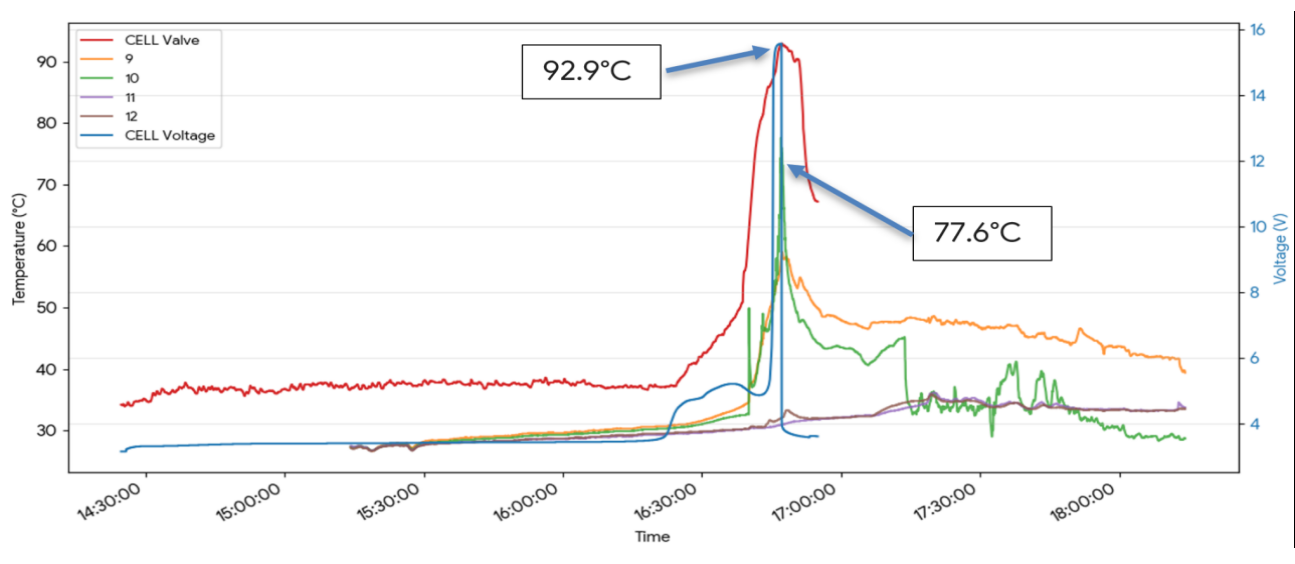
Thermal runaway prevention: Cell‑level uniform cooling keeps the maximum temperature differential within the pack at ≤2°C, eliminating hot spots and reducing the probability of thermal runaway initiation.
Q: What level of cell temperature differential and cycle life can immersion achieve?
A: Kortrong's flow‑type immersion cooling keeps cell temperature differential extremely low. Under real‑world test conditions — ambient 25°C, 0.5P charge/discharge — the maximum cell temperature differential (ΔTmax) ranged from 0.79–0.93°C, averaging approximately 0.8–0.9°C. By comparison, conventional cold‑plate systems under identical conditions showed a ΔTmax range of 5.27–5.72°C. Based on R&D testing and field data from commissioned projects, cycle life is projected to extend by up to 13.7%.
Q: How does immersion efficiency compare to air cooling and liquid cooling?
A: Kortrong's immersion solution delivers up to 4x the heat dissipation efficiency of air cooling, with 50% lower auxiliary power consumption than alternative liquid cooling solutions. In side‑by‑side testing against cold‑plate systems at -35°C, 25°C, and 45°C, immersion demonstrated significantly higher round‑trip efficiency (RTE) across all three temperature points, with ΔT improvement of approximately 84% and top‑temperature reduction of about 12%.
Q: Is Kortrong's immersion technology mature?
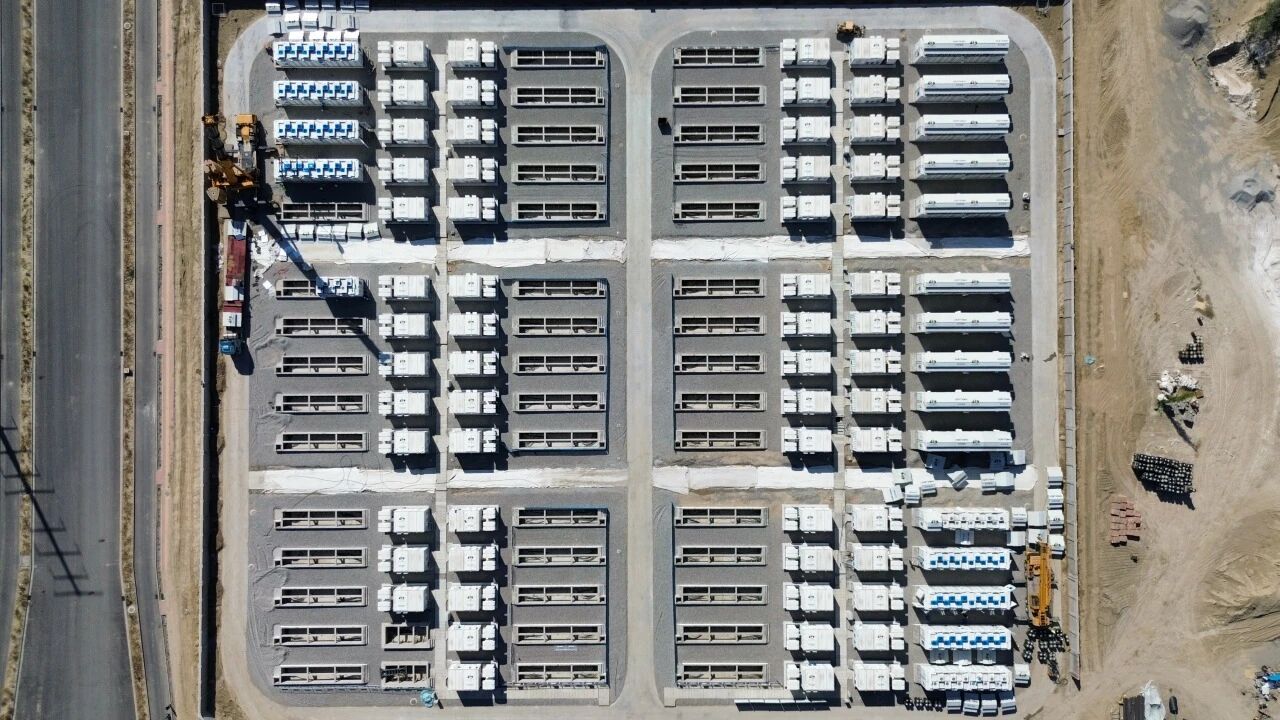
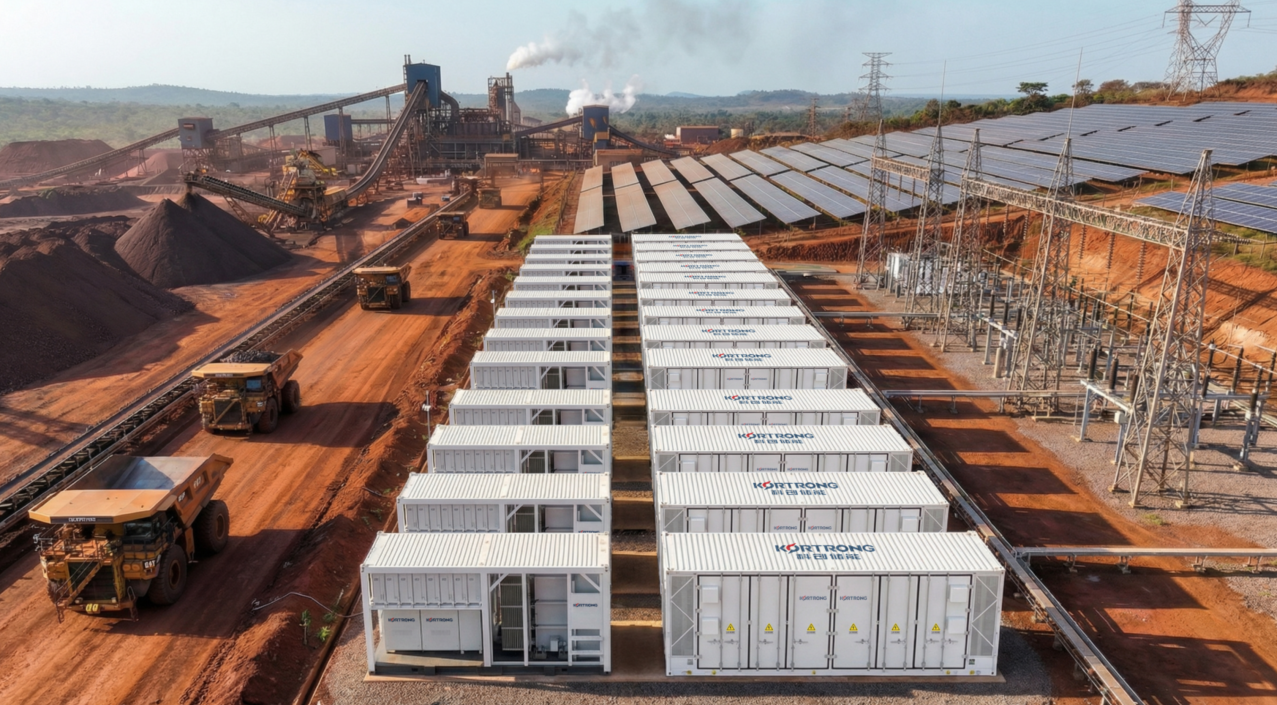
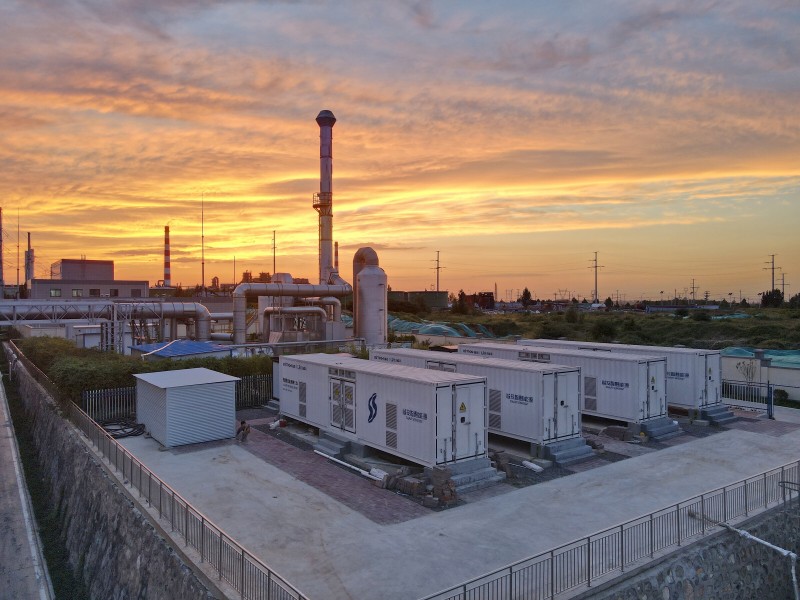
A: Kortrong has deployed over 3 GWh of immersion‑cooled BESS, leading the industry in market share. Projects have been validated across extreme environments — from the high heat and humidity of the Greater Bay Area to the extreme cold and dryness of Northwest China. Kortrong has also successfully delivered the world's largest single immersion‑cooled BESS project at 300MW/600MWh.
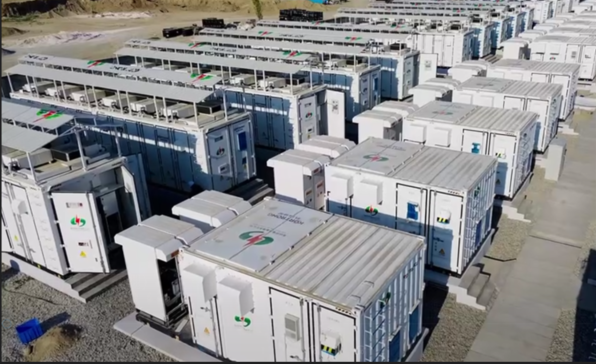
Kortrong's immersion design is modular and scalable, supporting everything from small demonstration projects to utility‑scale BESS. Performance holds consistently at high capacity.
Q: What is the standout advantage of immersion in project deployment?
A: In European C&I storage projects, insurance has become a real hurdle. Adding conventional storage to a factory or residential building often triggers a significant increase in property insurance premiums, adding to investment costs.
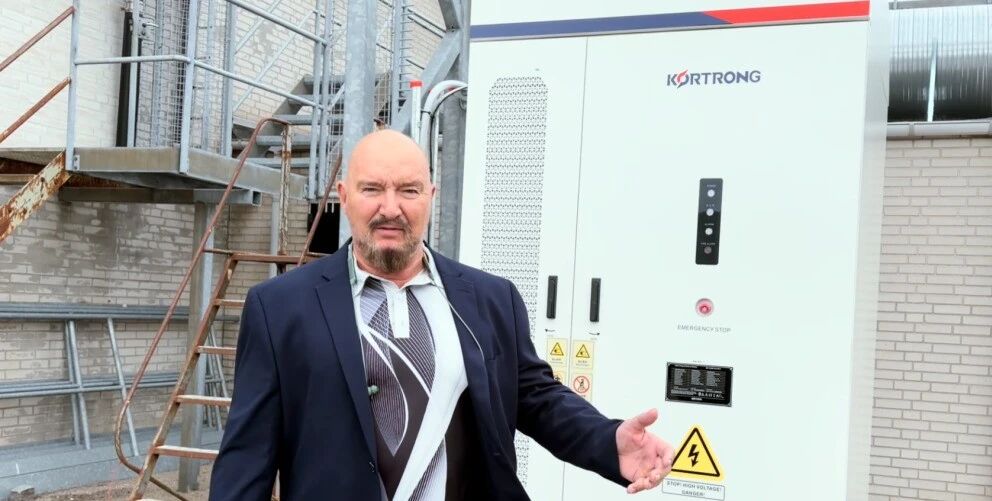
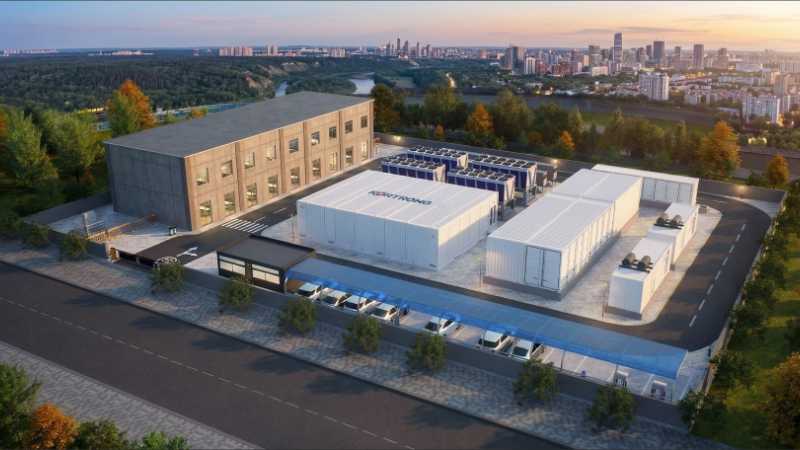
Immersion‑cooled storage, with its intrinsic safety characteristics, is recognized by insurers. It can be installed indoors or adjacent to buildings without additional insurance premiums — delivering substantial long‑term savings for investors.
Q: What leak prevention measures are in place?
A: We implement a three‑layer protection system:
● All enclosures and external interfaces are fitted with sealing gaskets. Airtightness testing is performed during incoming inspection, with each PACK individually tested before shipment. The system achieves IP67 protection rating.
● The liquid cooling loop is equipped with pressure and temperature sensors for 24/7 real‑time monitoring.
● Pumps, storage tanks, and piping are fabricated from stainless steel with explosion‑proof construction — resistant to deformation and corrosion, minimizing leakage risk at the hardware level.
Q: Does immersion cooling make maintenance more complex?
A: Kortrong's pack‑level immersion system is designed for low maintenance. Unlike air‑cooled or cold‑plate systems that require regular inspection of fans, pumps, and filters, immersion systems require only periodic level checks and filtration. The sealed design minimizes dust ingress. The coolant is stable and non‑corrosive, further reducing maintenance frequency and workload.
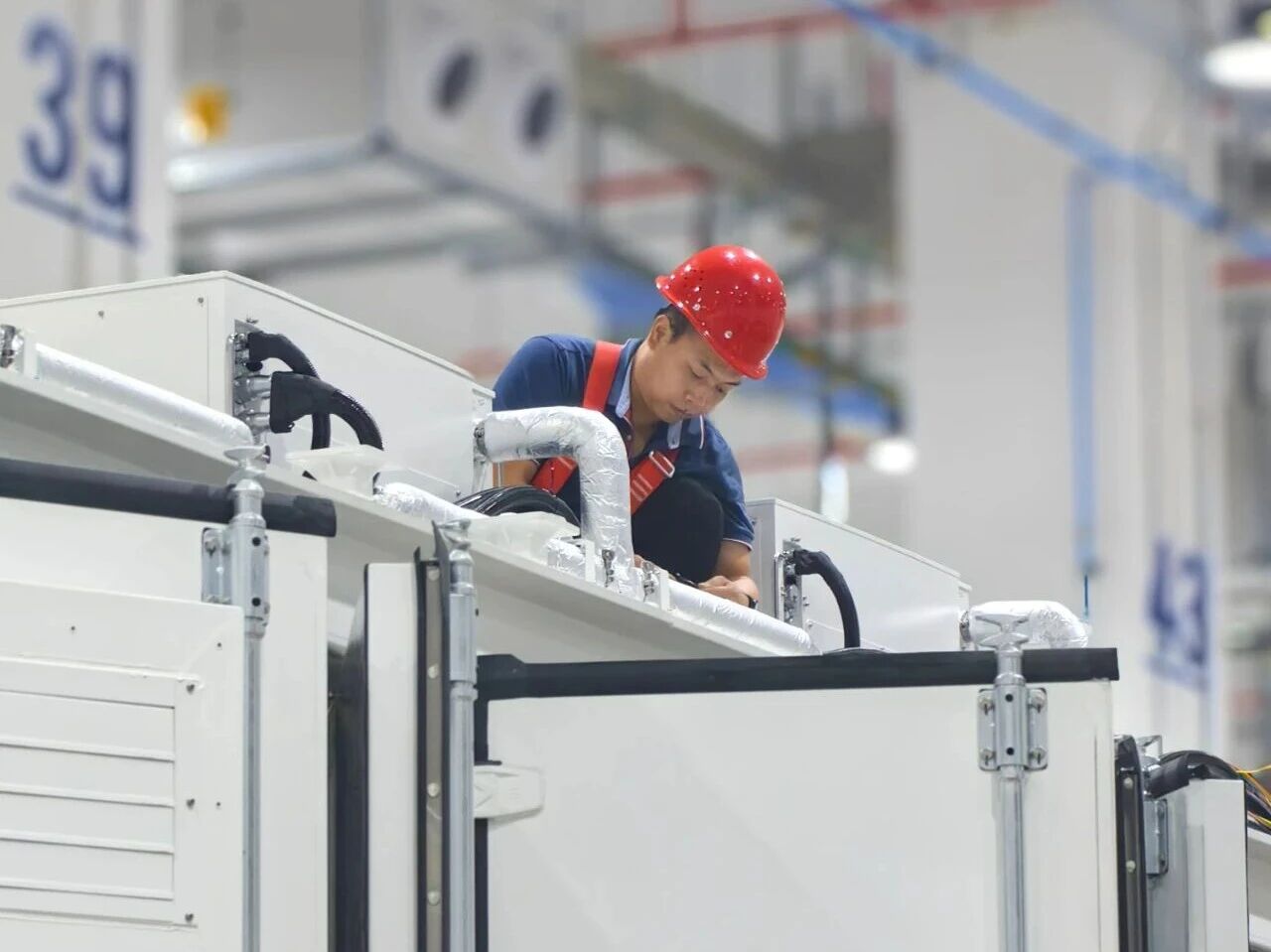
Over the long term, lower maintenance requirements combined with extended battery life — meaning fewer replacements — significantly reduce total O&M costs across the full lifecycle, improving overall project economics.
Q: What is Kortrong's most widely deployed immersion product?
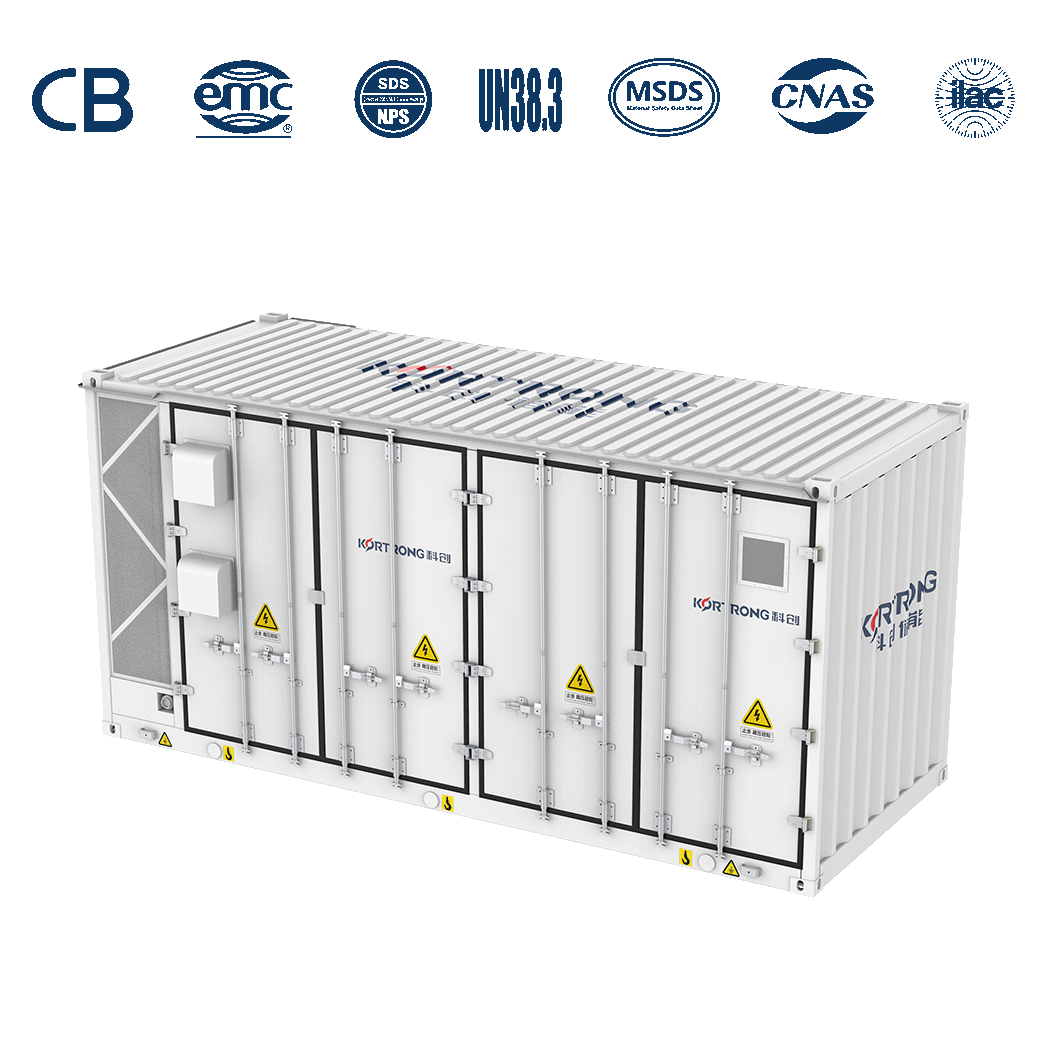
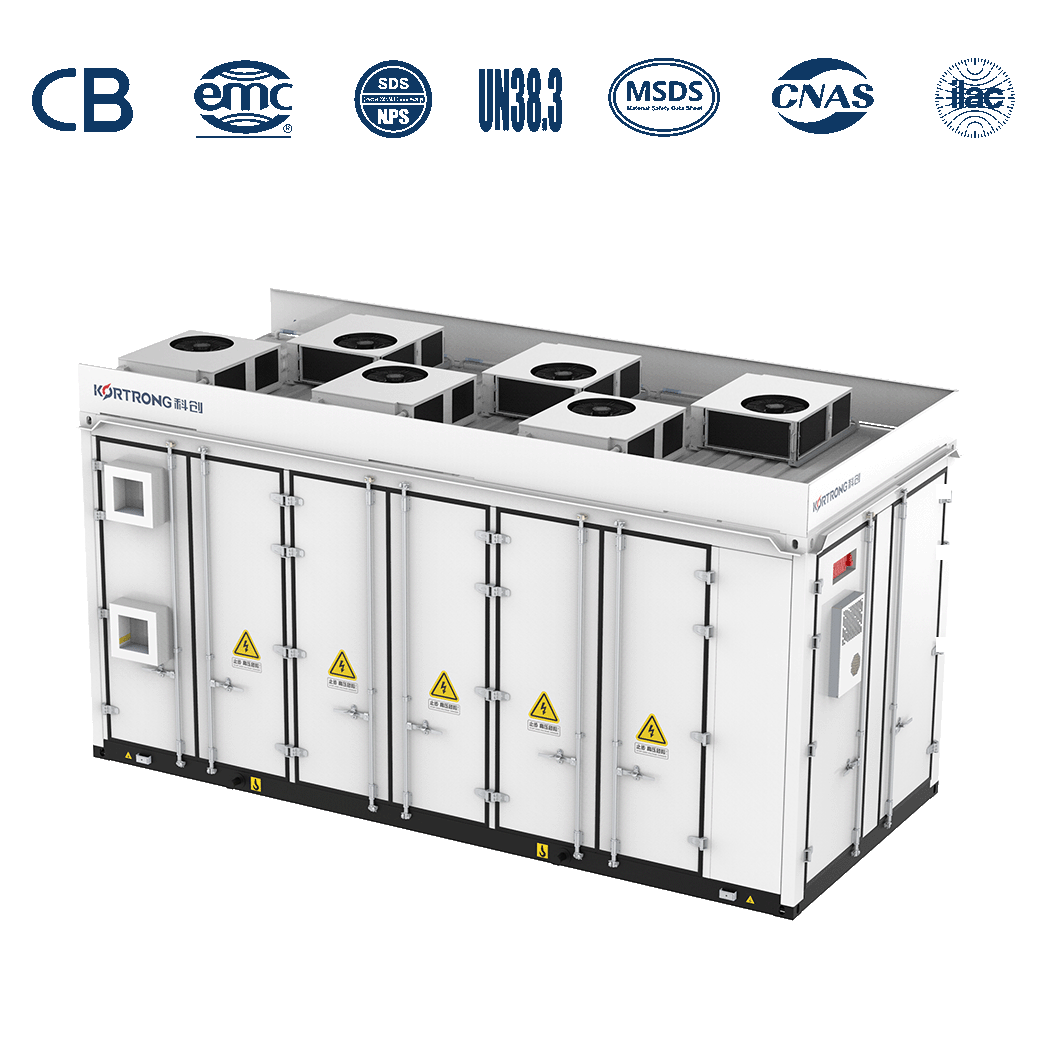
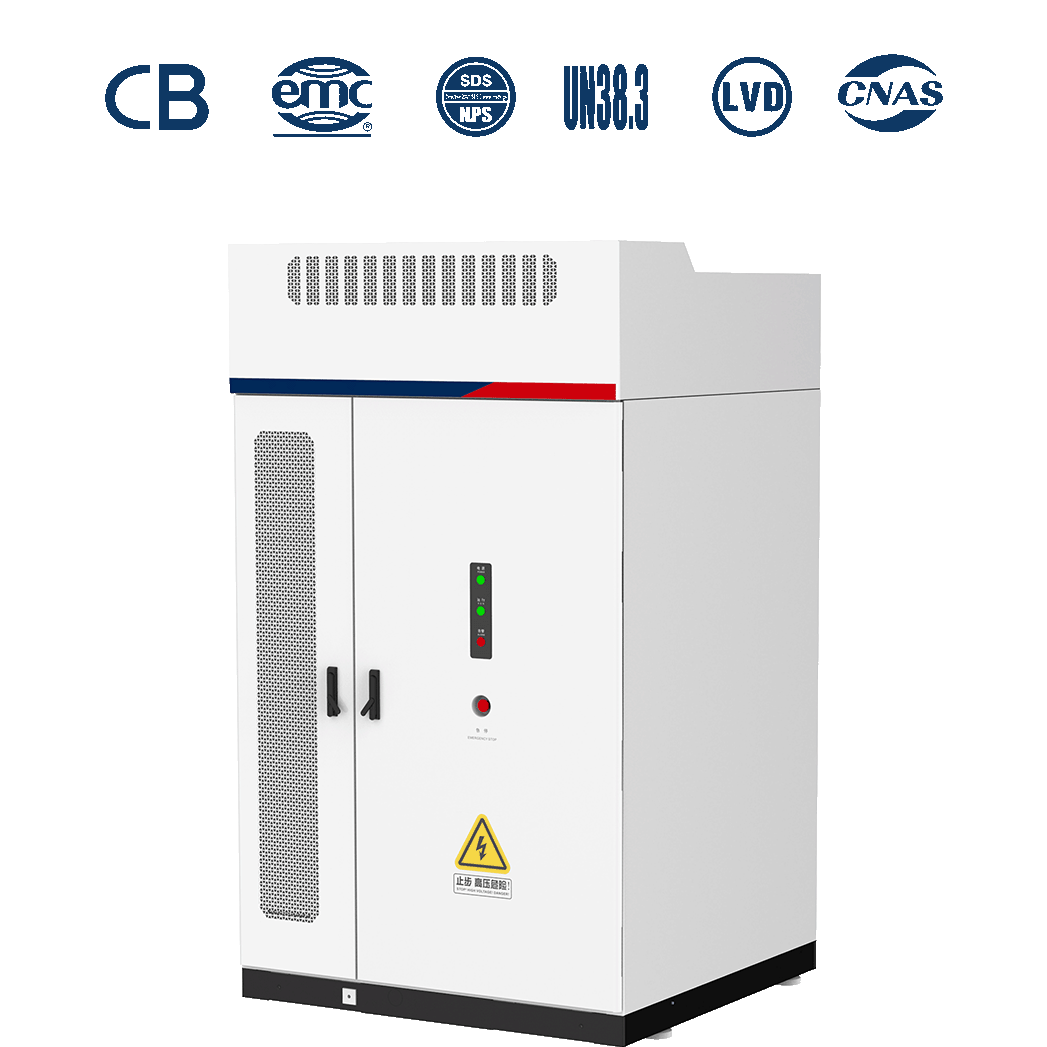
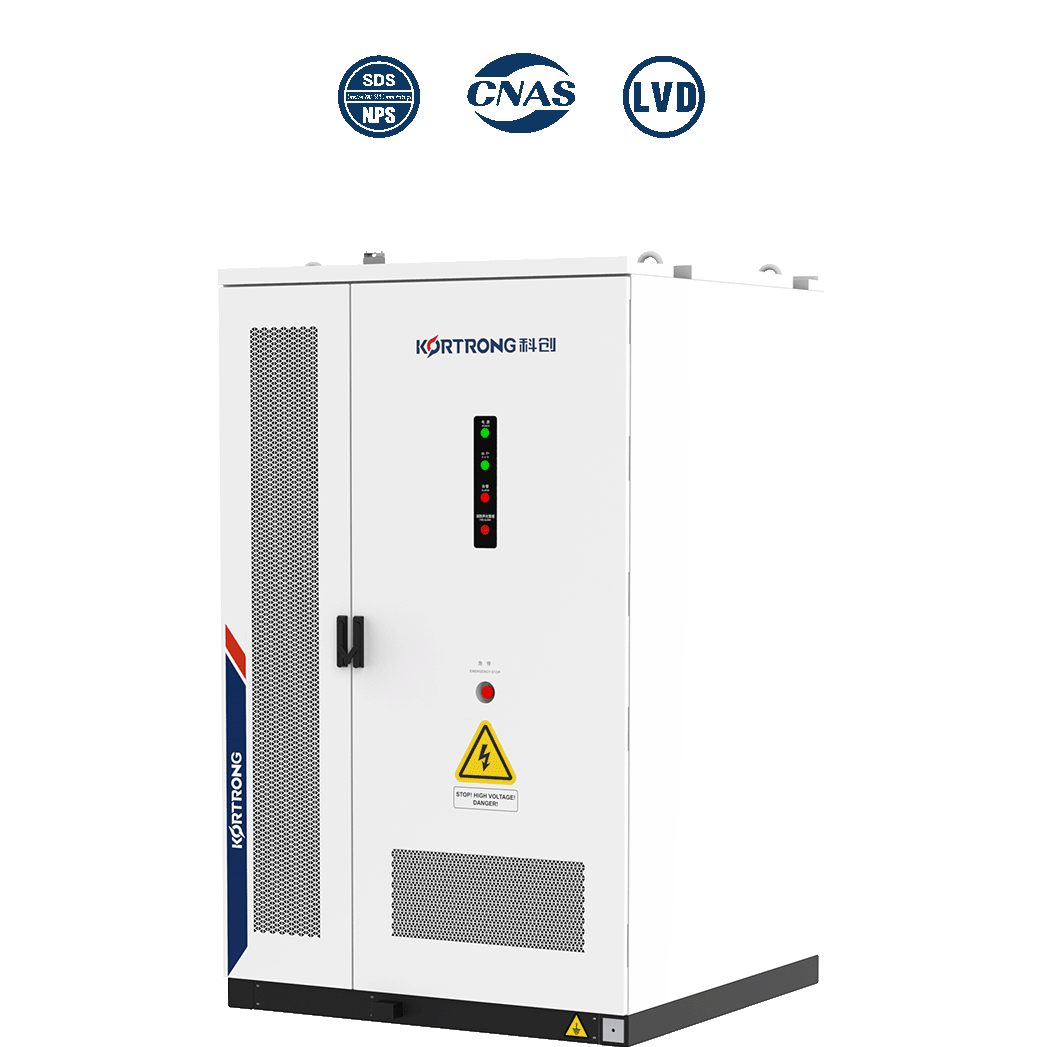
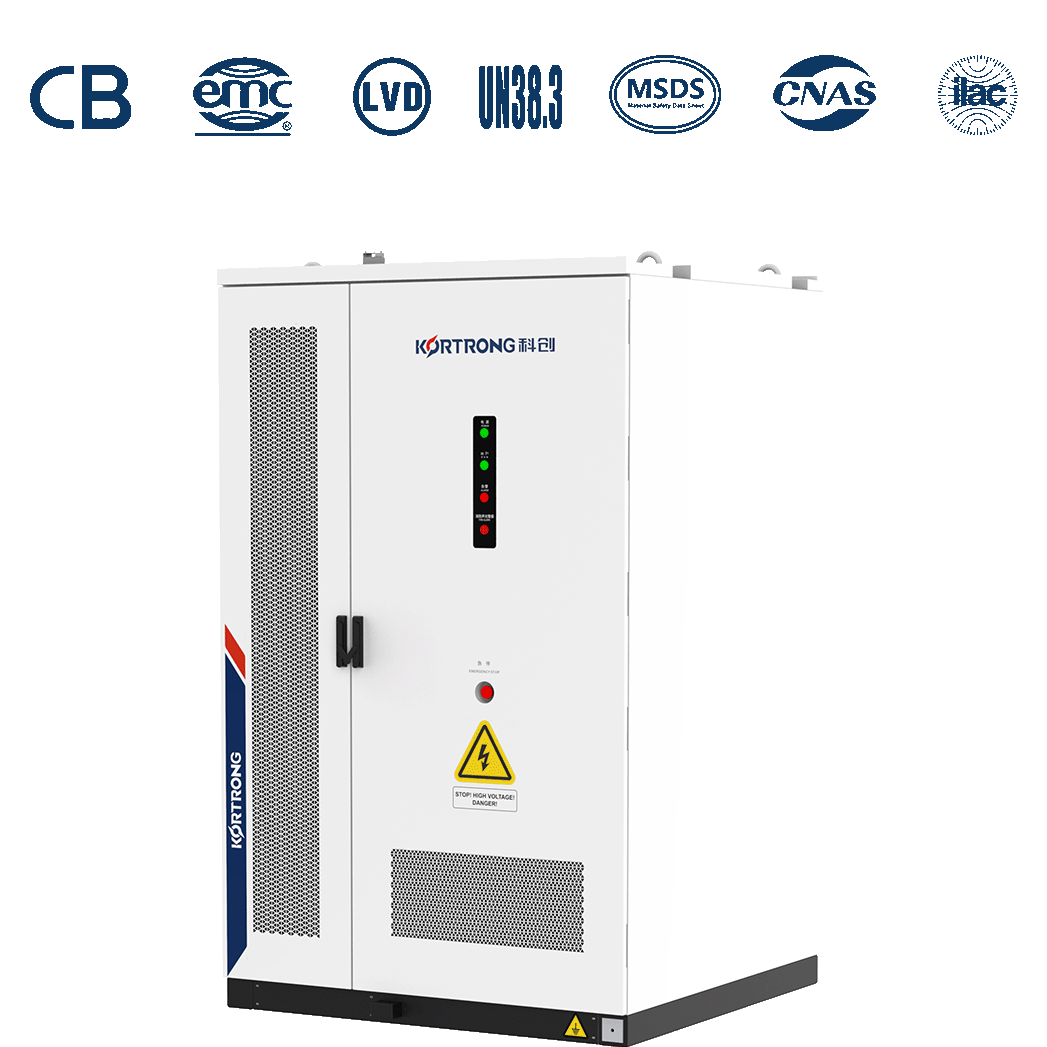
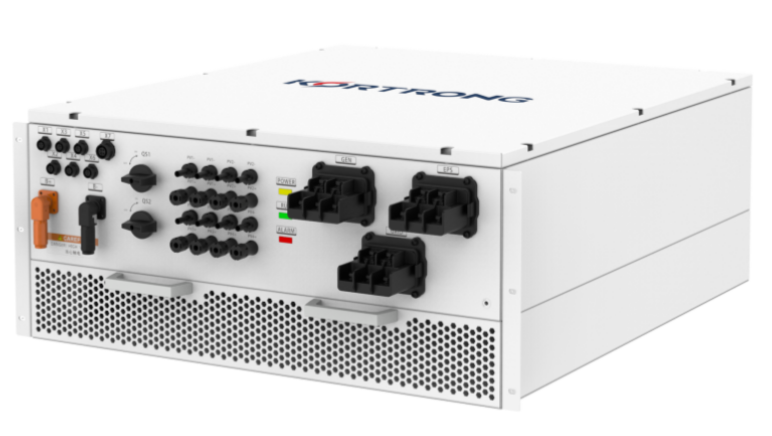
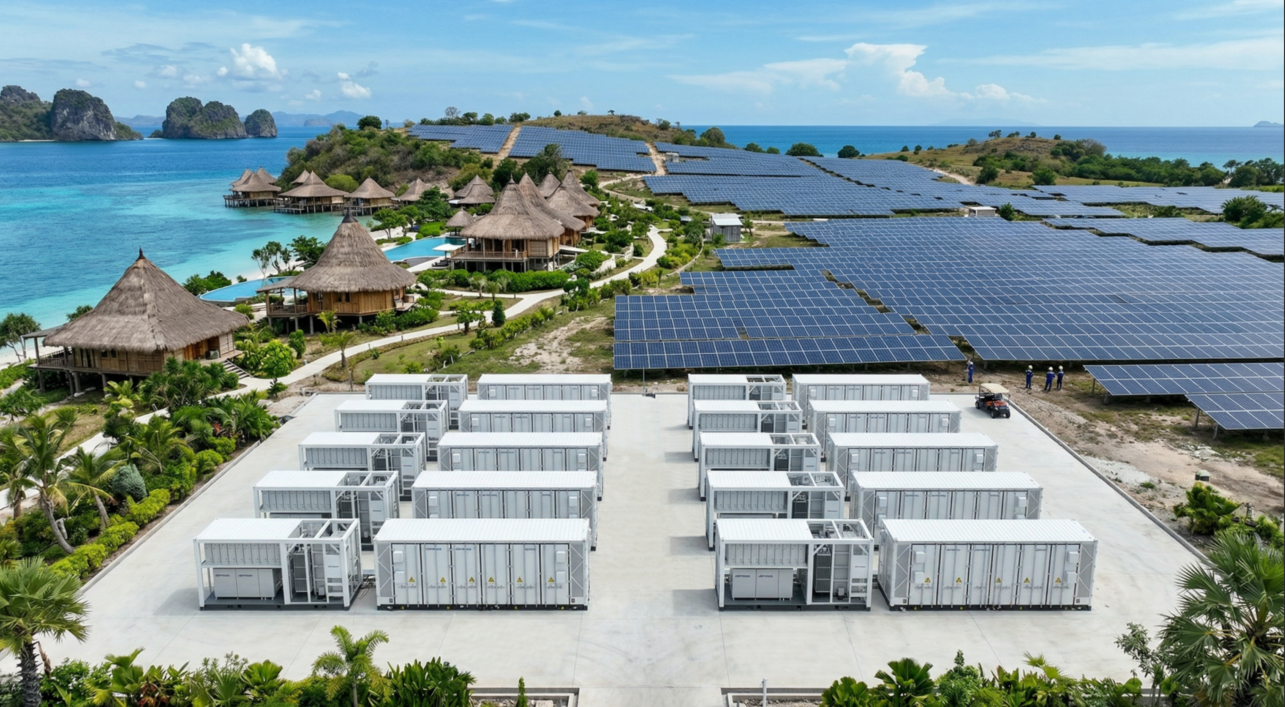
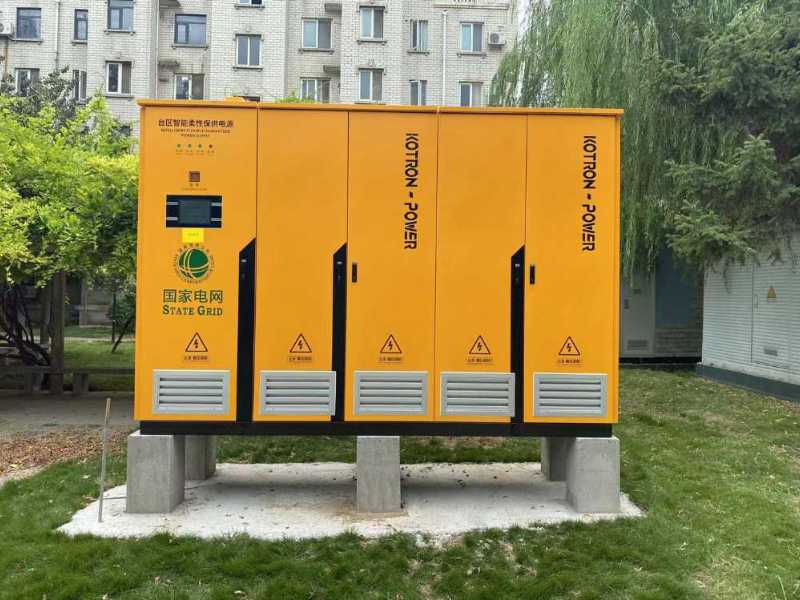
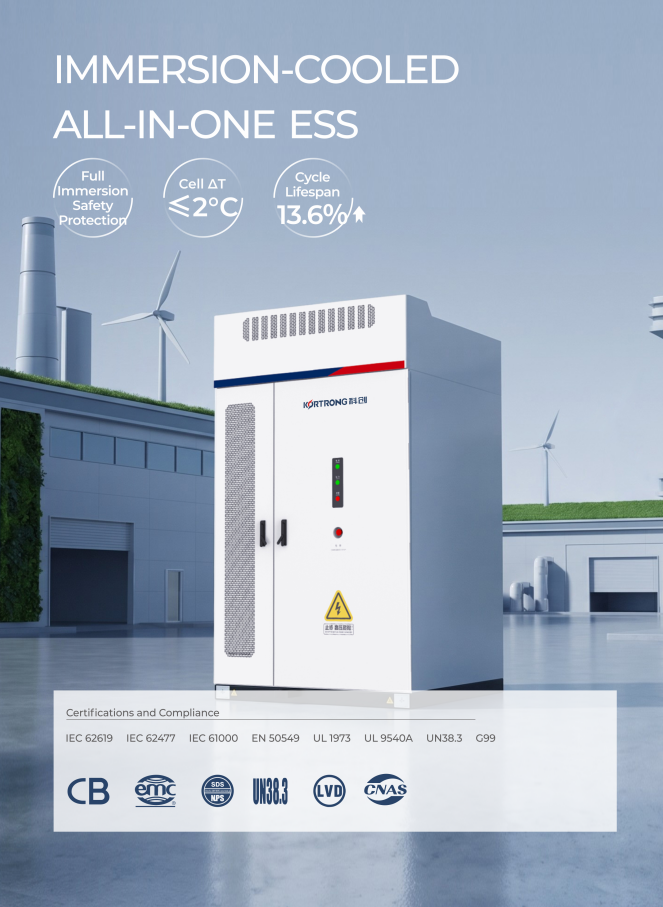
A: The 125kW/261kWh Immersion-Cooled All-in-One ESS offers high efficiency, safety, and long lifespan. It is designed for C&I storage, microgrids, and zero‑carbon parks — particularly suited for high‑safety applications such as data centers, banks, hospitals, and schools. It is the world's first immersion‑cooled storage product to pass LCIE testing.
Q: Upfront investment is higher than conventional solutions. How does it perform over the long term?
A: On a total cost of ownership (TCO) basis, Kortrong's immersion‑cooled solution carries 5–10% higher CAPEX than conventional cooling. However, with longer cycle life, fewer replacements, and superior charge/discharge performance, the total PACK‑level cost over the full lifecycle is reduced by approximately 8% — lowering the levelized cost of storage (LCOS) and shortening project payback. The overall asset economics are superior.