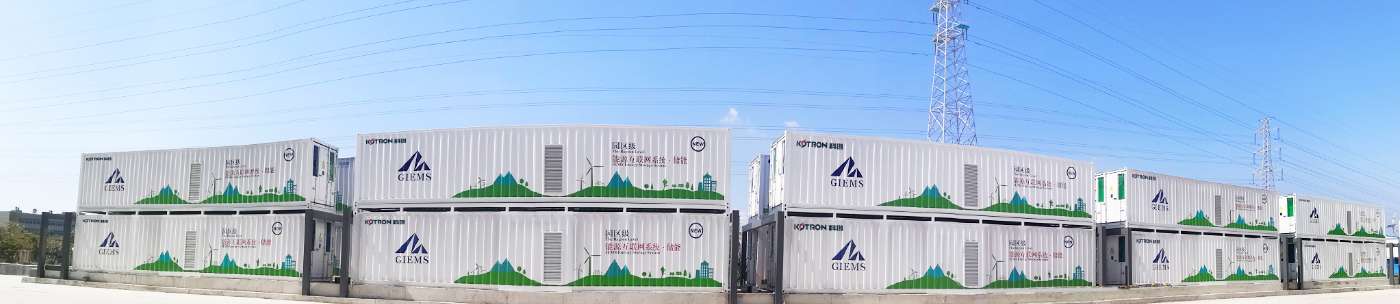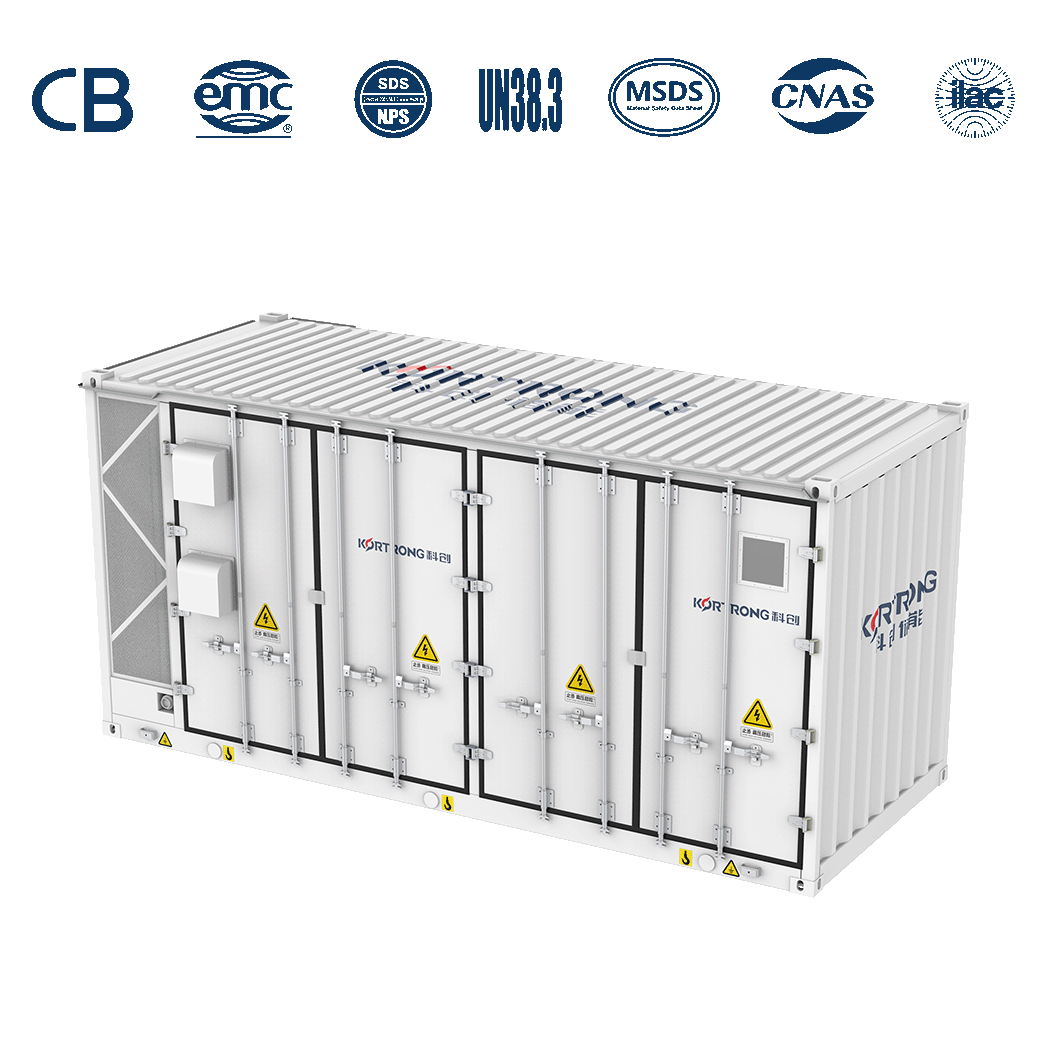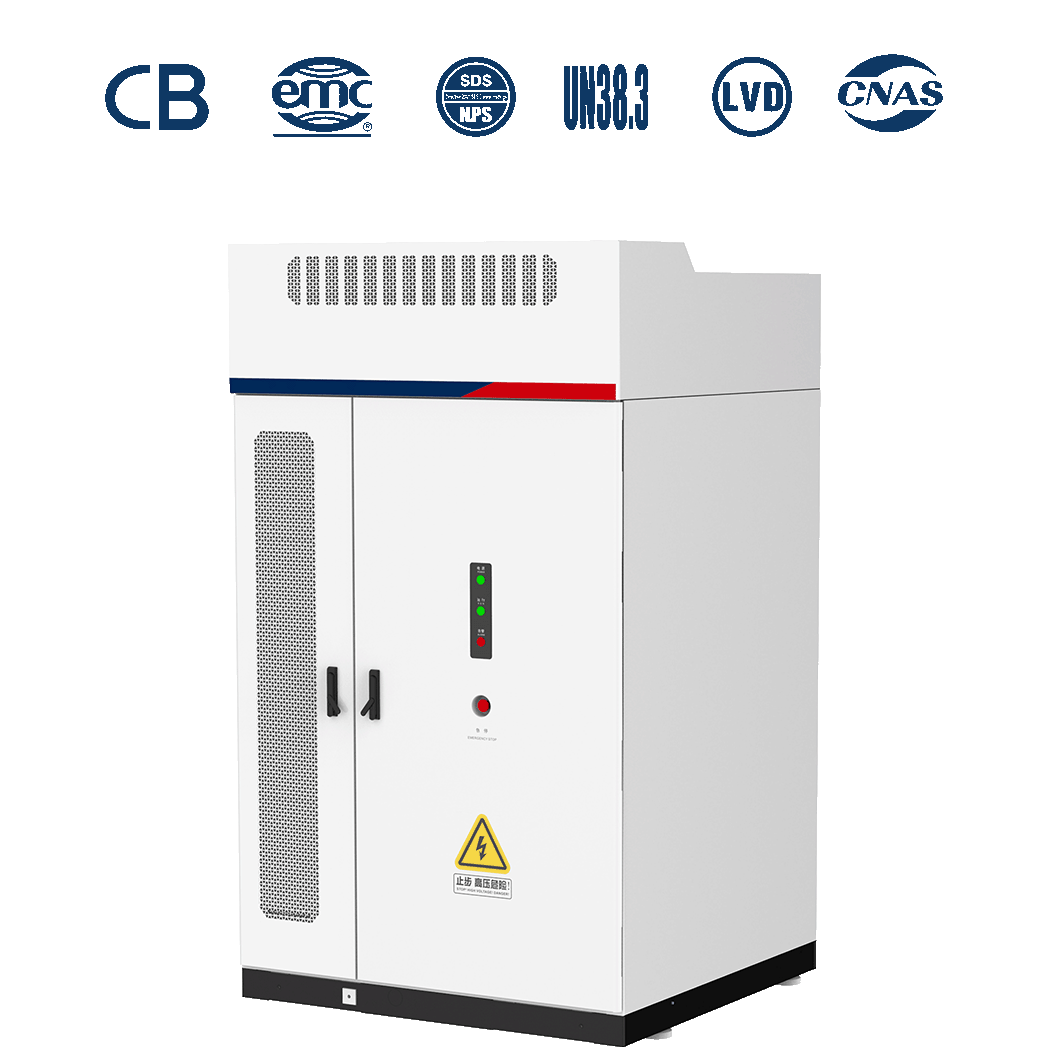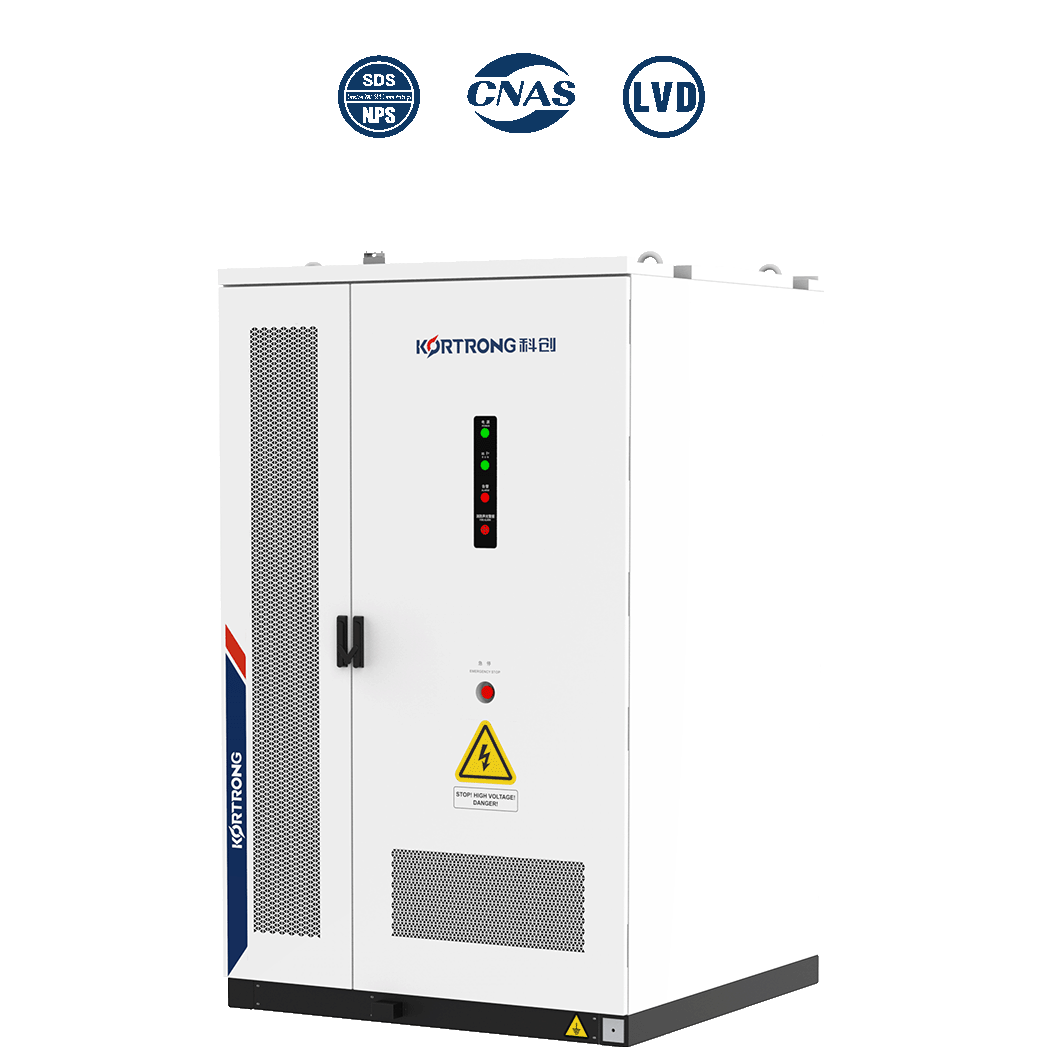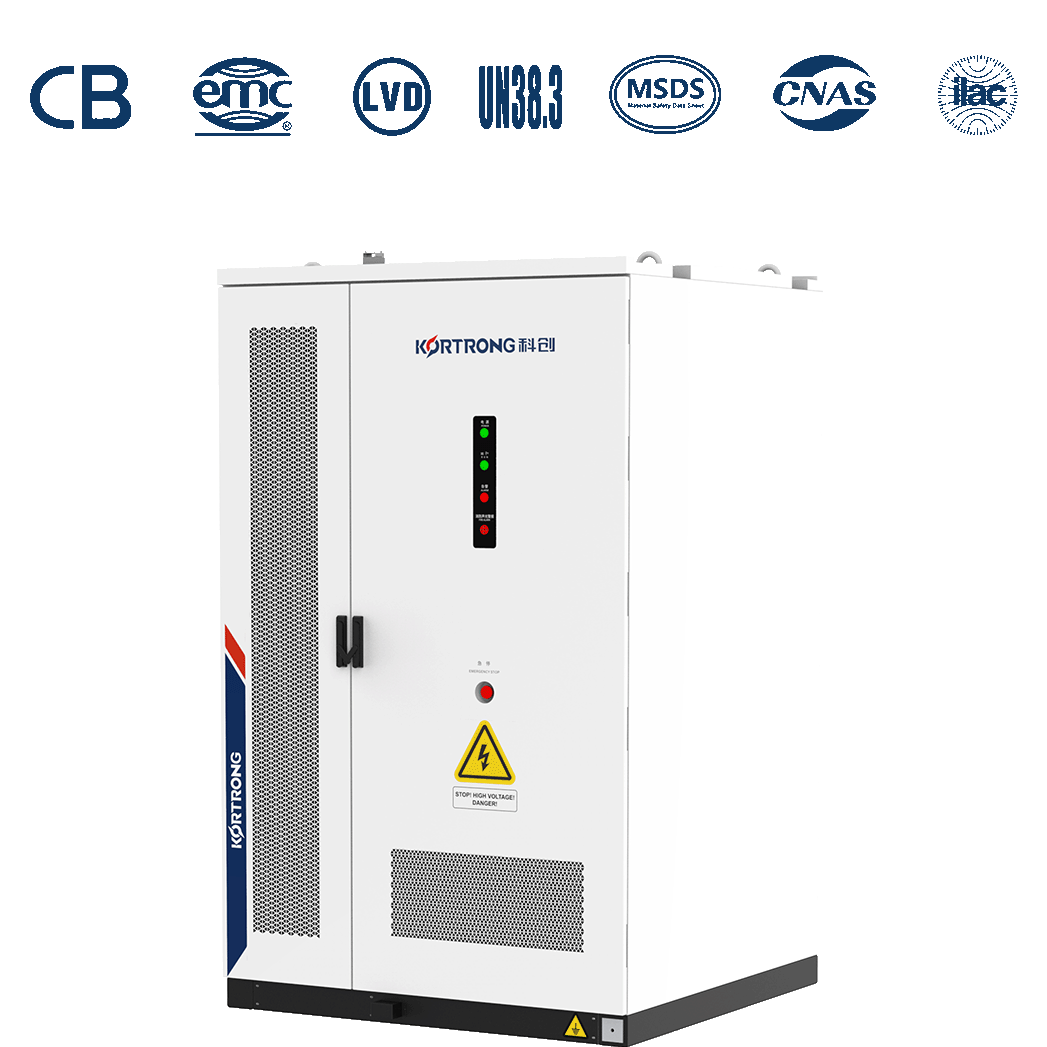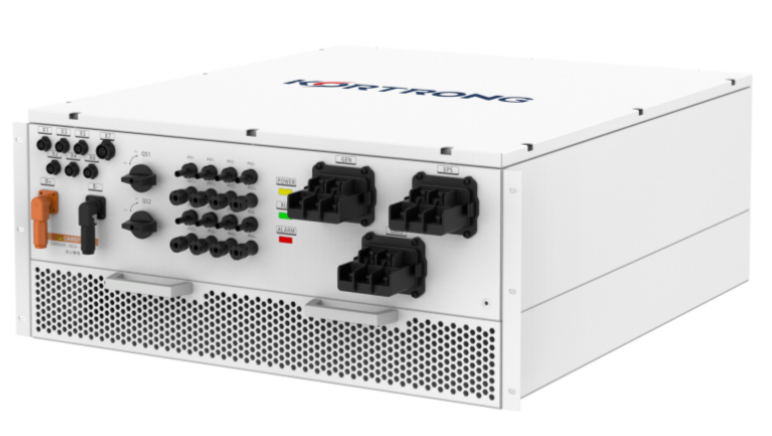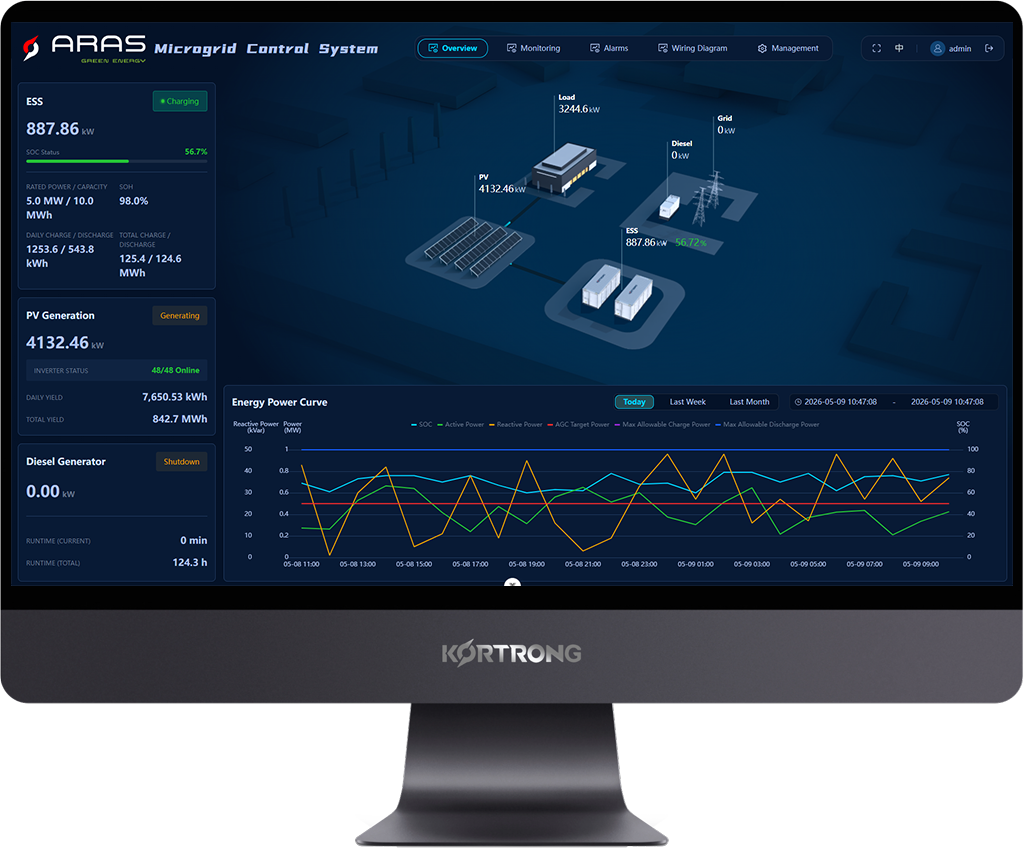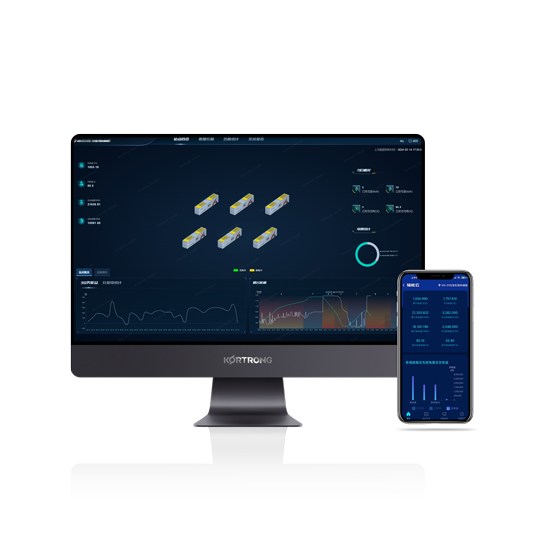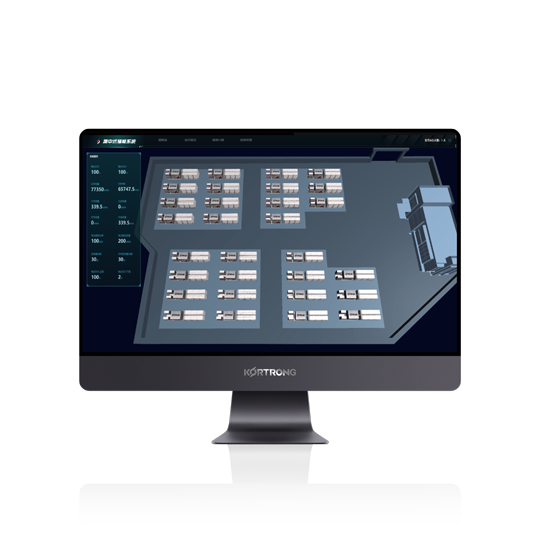
For KORTRONG, the next step is to connect AI-powered energy trading with intelligent operations and maintenance (O&M). By coordinating market participation, dispatch decisions, equipment health, and operational data, BESS can be managed as measurable, accountable, and optimizable energy assets.
Installed capacity alone does not determine project profitability. Returns also depend on market access, revenue mechanisms, asset availability, operating efficiency, and the ability to respond to changing market conditions.
Without coordinated trading and operations, market opportunities may go unrealized, while equipment issues and inefficient dispatch can erode returns. The challenge is to connect operational decisions with financial performance throughout the asset lifecycle.
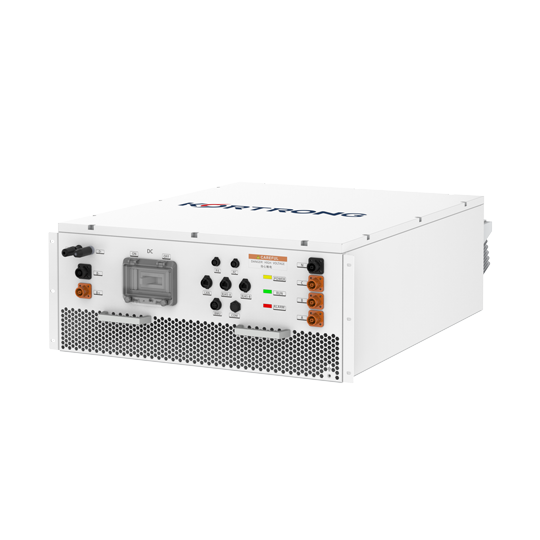
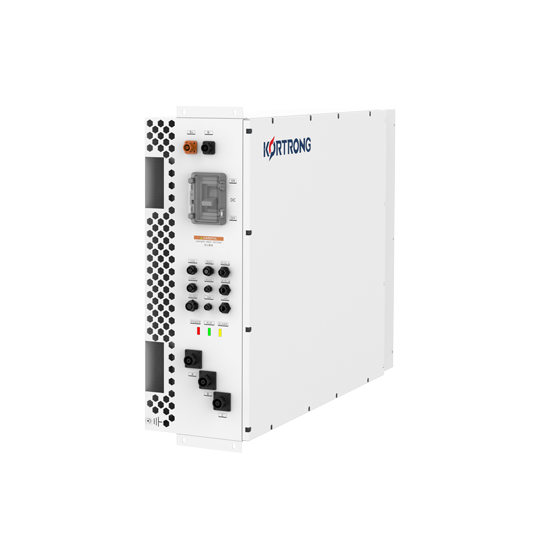
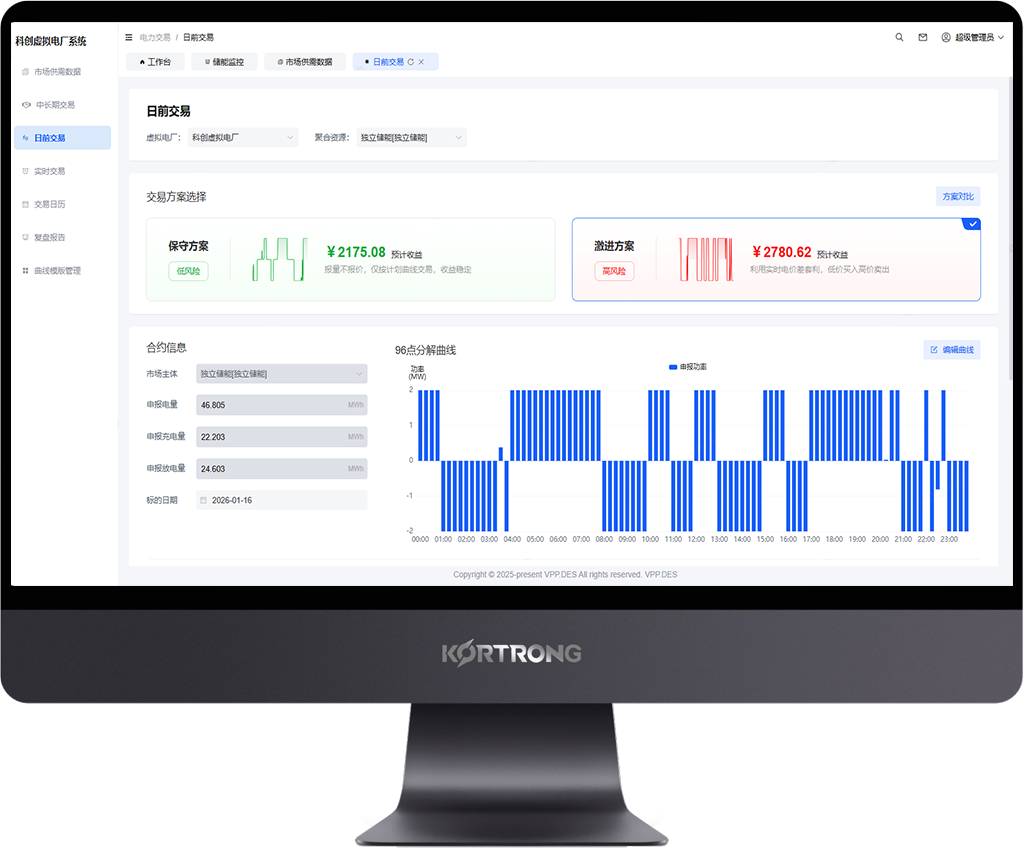
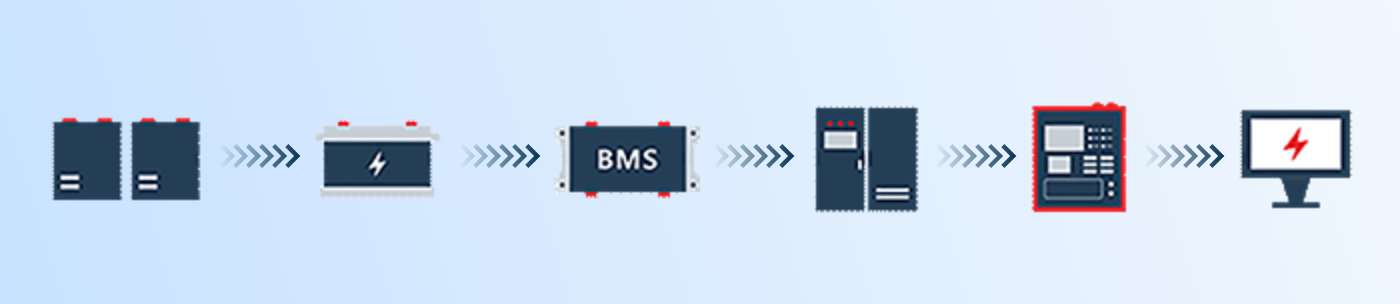
KORTRONG connects its O&M cloud platform, energy management system (EMS), and AI-powered spot-trading platform through an integrated data infrastructure. Price forecasting, bidding strategies, dispatch optimization, and equipment diagnostics help align market participation with asset availability and operating conditions.
The platform supports six core capabilities:
Monitor · Measure · Control · Dispatch · Diagnose · Predict
AI trading helps identify and capture market opportunities, while intelligent O&M supports equipment reliability, early fault detection, and more effective operating strategies. Together, they connect revenue generation with the asset availability and performance required to sustain it.
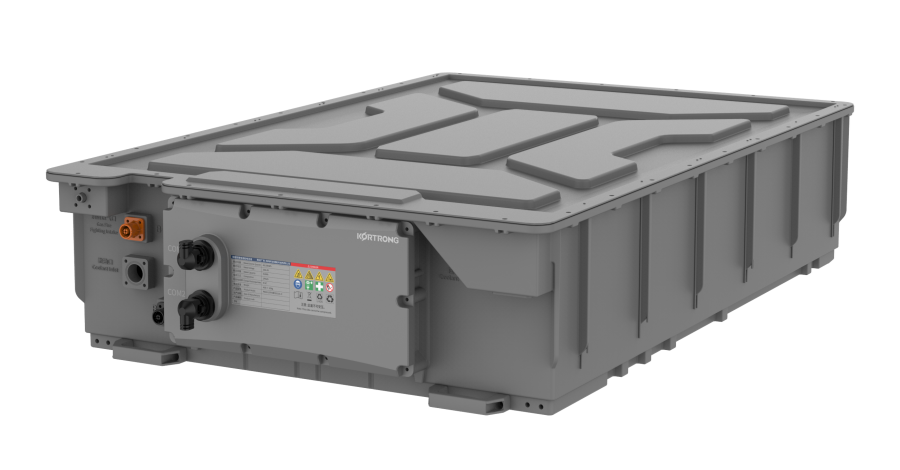
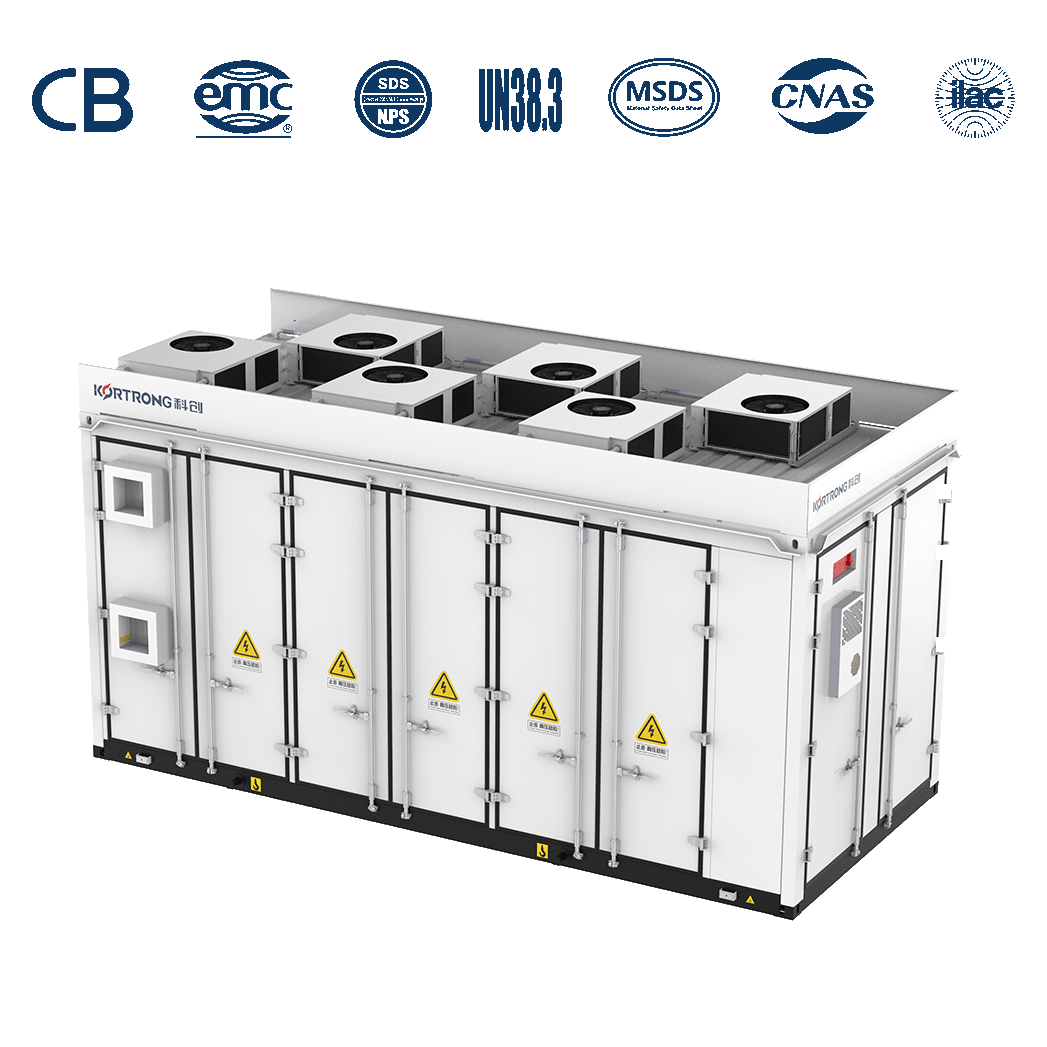
KORTRONG also reports approximately 30% longer battery life with immersion liquid cooling than with air cooling under comparable conditions, alongside 90% system efficiency under the applicable test conditions.
Different markets demonstrate how storage value depends on local revenue mechanisms and operating requirements:
China | Grid-side storage
Spot-market trading, capacity compensation, and power ancillary services create multiple potential revenue streams, supporting improved project economics.
Europe | User-side storage
Projects in Denmark, Sweden, and other markets use automated charging and discharging to participate in frequency regulation and other grid ancillary services, including applications requiring millisecond-level response.
Africa | Solar-plus-storage microgrids
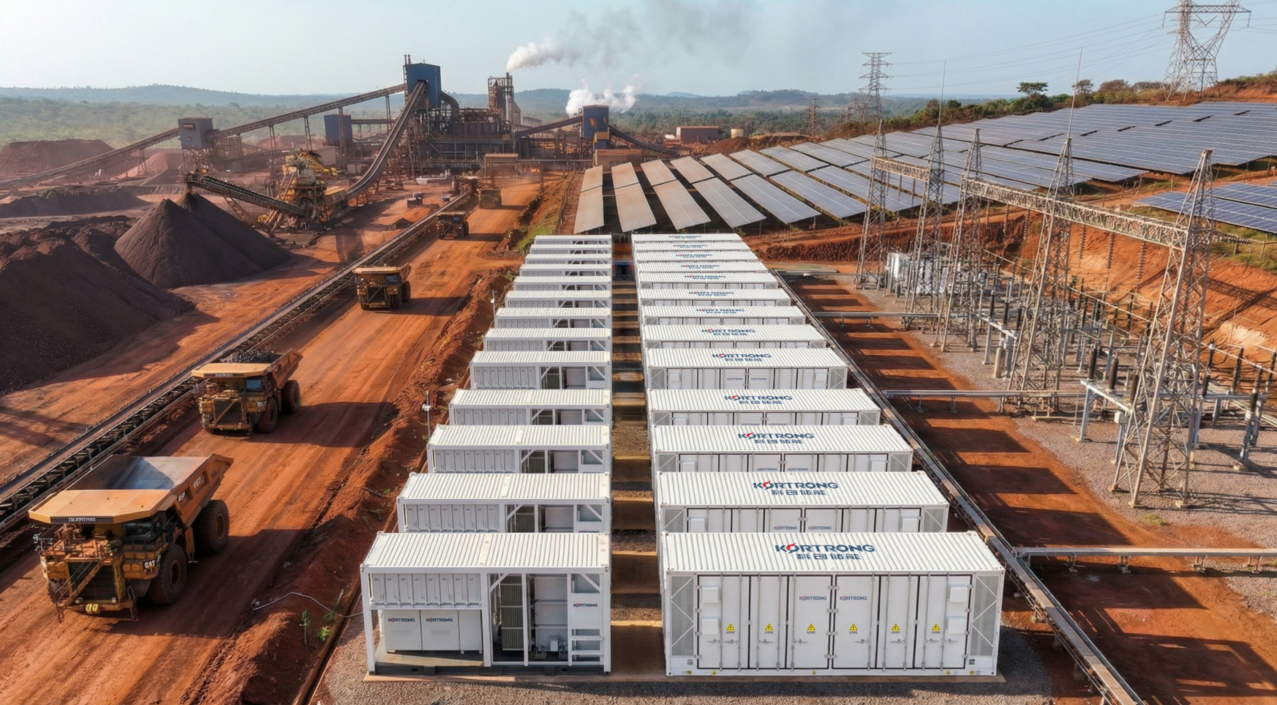
Under power purchase agreements (PPAs), solar-plus-storage projects supply mining operations while replacing diesel generation. Reported power supply cost savings exceed 40% compared with the diesel baseline.
Hardware determines the baseline; lifecycle operations determine the upside.
Under comparable operating conditions:
~30% Longer Battery Life
Immersion cooling vs. air cooling
90% System Efficiency
Measured under applicable test conditions
Note: Actual performance depends on product test results and project operating conditions.
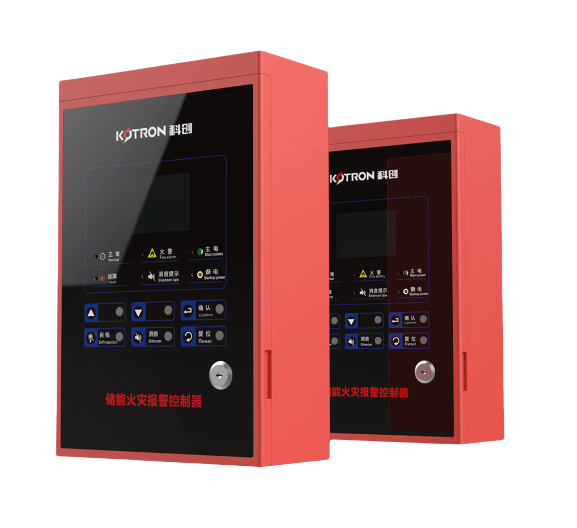
AI-powered O&M translates equipment reliability into operating value. Real-time monitoring of battery and equipment conditions helps identify potential issues early and enables remote diagnostics and maintenance. This helps reduce unplanned downtime and avoid missing high-value trading windows.
The system can also identify abnormal energy consumption to reduce operating losses and use battery-health-based charging and discharging strategies to manage degradation costs.
For asset owners, the value of AI-powered O&M comes down to four practical outcomes:
01 — Preserve More Tradable Energy
02 — Reduce Downtime
03 — Lower O&M Costs
04 — Extend the Revenue-Generating Life of the Asset
KORTRONG treats a power station as an energy asset to be managed for long-term financial performance, rather than simply a collection of hardware. Its INV+EPC+O+F lifecycle model is supported by an AI-driven operating system.
Full-Lifecycle IRR Design Range: 6%–10%
Note: Actual returns depend on local market conditions and project configuration.
AI-powered trading strategies help unlock long-term asset value through multi-market optimization and intelligent operational adjustments.
Competition in energy storage is shifting from installed capacity to asset utilization. For comparable projects, operating capability is increasingly becoming a key differentiator in financial performance.
Standardizing price forecasting, trading strategies, and O&M processes can help storage providers move beyond equipment sales toward energy asset management.
Power station returns are no longer shaped by electricity prices alone. Operating capability increasingly determines how much value an asset can capture.
By connecting trading, O&M, and diagnostics through AI, KORTRONG aims to make trading opportunities and maintenance decisions measurable drivers of asset value.
Technical and financial figures are subject to applicable test conditions, project configuration, and local market conditions. The stated IRR is a design range, not a guaranteed investment return. This article does not constitute investment advice.