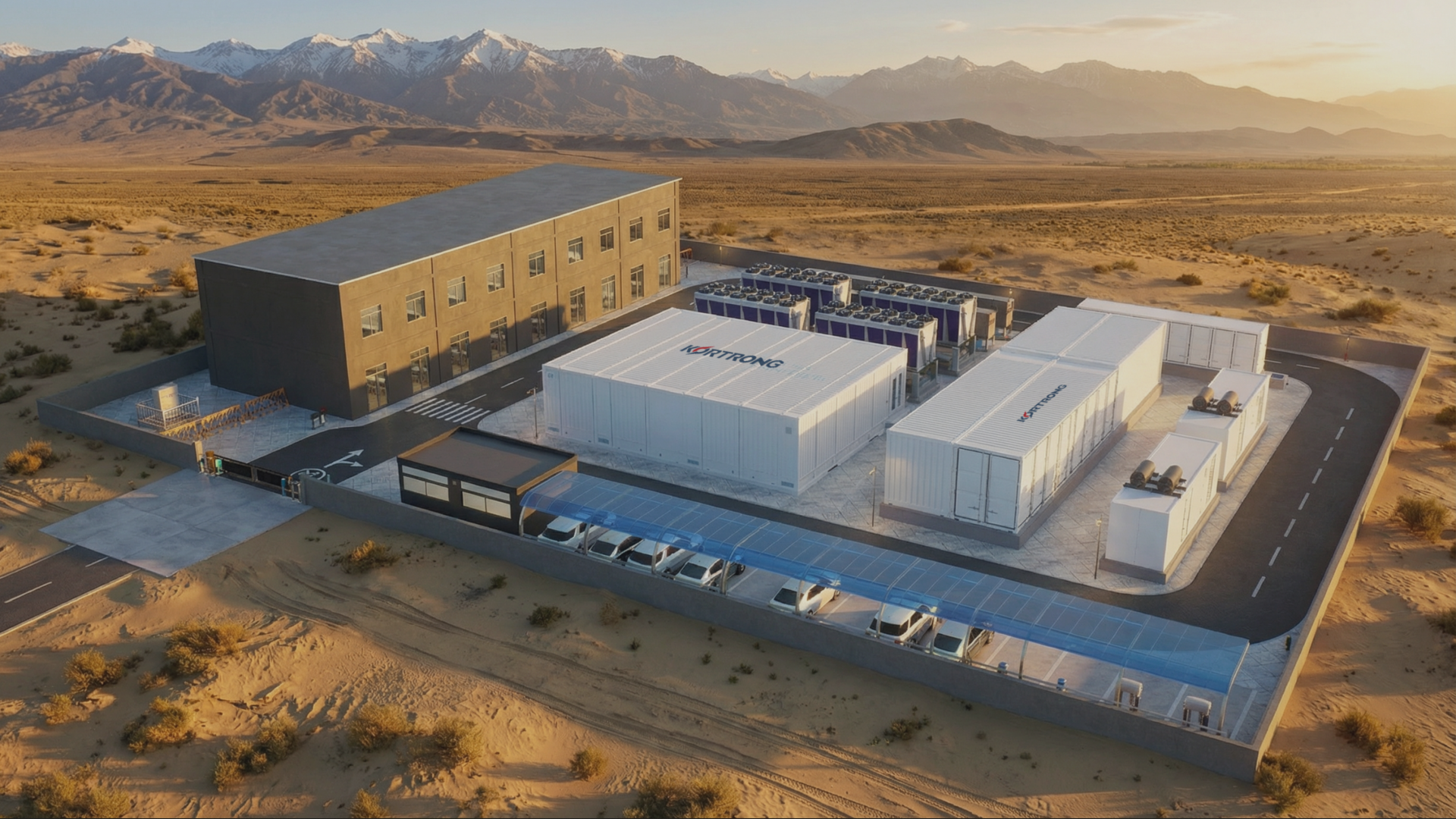
Where the sun leads, Chinese new energy capabilities follow.
Since 2013, Chinese companies have participated in power projects totaling 156 GW across countries involved in Belt and Road cooperation. As demand for reliable and increasingly renewable power grows across new markets, Chinese energy technologies and project capabilities are being applied to an expanding range of infrastructure—from utility-scale energy storage and industrial microgrids to AI and data centers.
The opportunity is no longer simply about supplying equipment. It is about bringing together the technology, financing, engineering and operational capabilities needed to build and operate energy infrastructure over the long term.
Kortrong Group began making that transition at the start of the 14th Five-Year Plan, moving beyond equipment sales and into long-term energy asset investment through an INV+EPC+F+O model that combines financing, engineering and full-lifecycle operations.
The model is supported by Kortrong's vertically integrated technology platform.
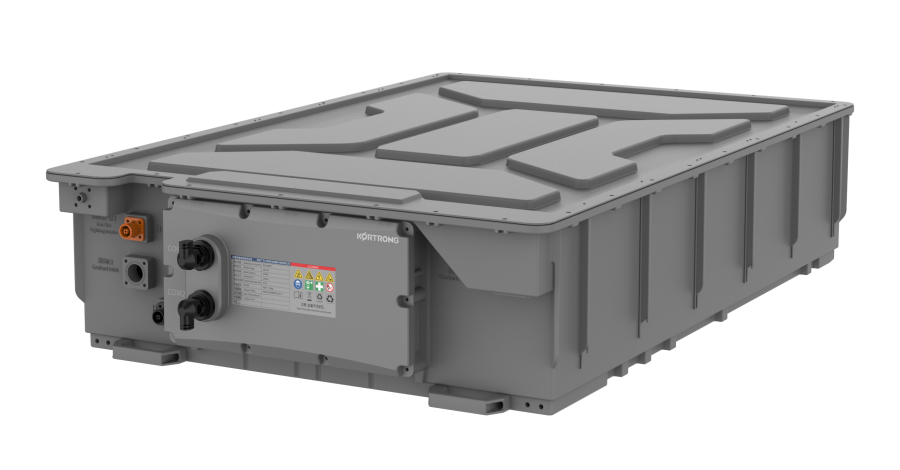
Its immersion liquid cooling technology fully submerges battery cells in dielectric coolant, keeping temperature differentials within 2°C and extending cycle life by 13.6% compared with conventional liquid-cooled systems.
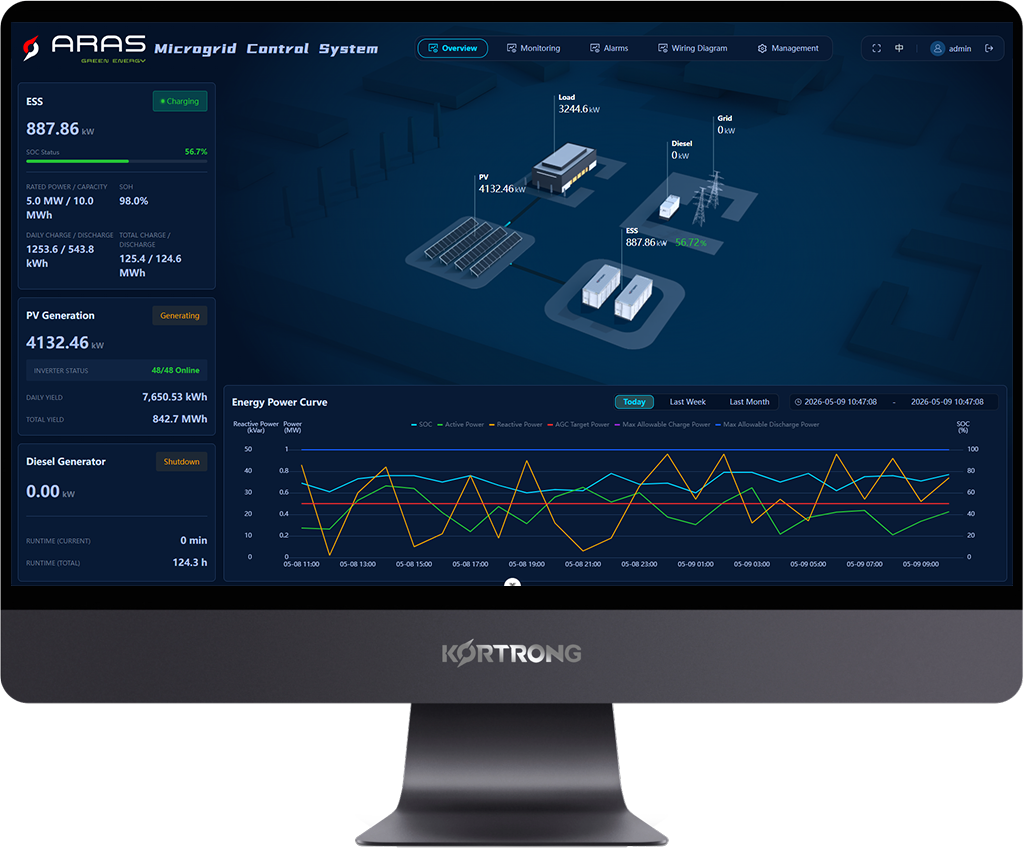
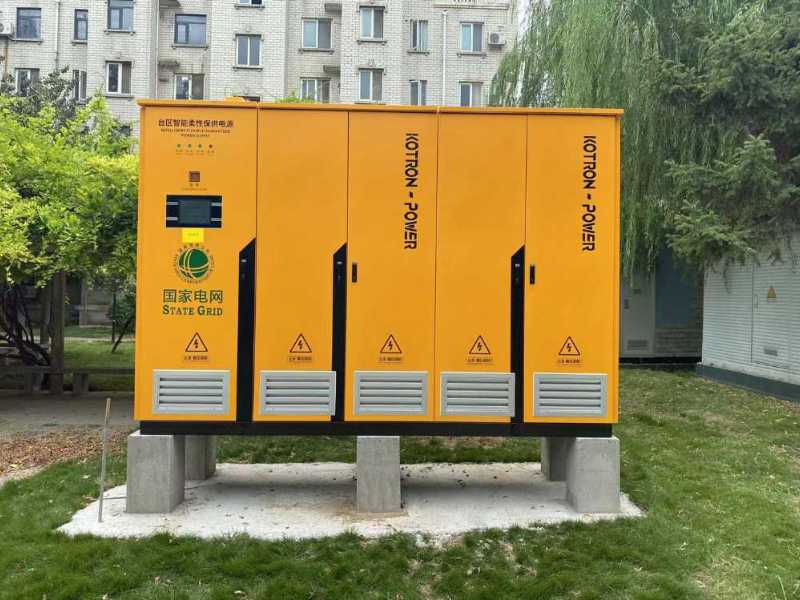
Its multi-energy hybrid microgrid control technology coordinates wind, solar and energy storage across both grid-connected and islanded operation. By smoothing renewable generation and improving power supply reliability, it increases renewable energy utilization while reducing electricity costs.
Together, these capabilities provide the technical foundation for long-term asset performance and operational value.
To date, Kortrong Group has committed more than RMB 2 billion to projects under investment.
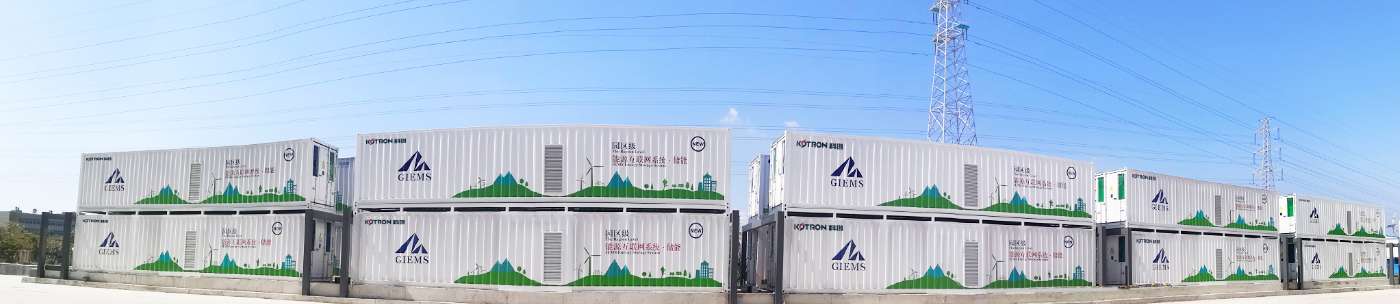
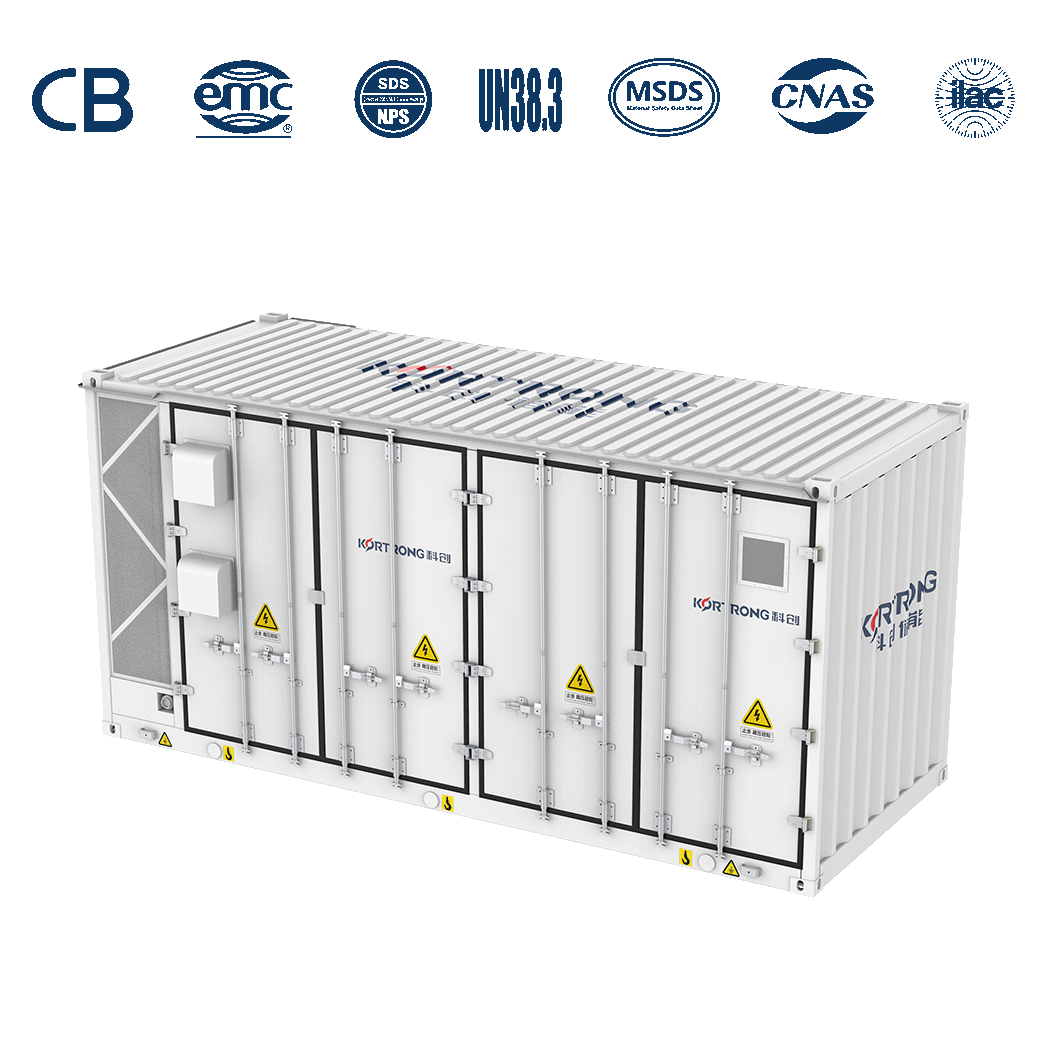
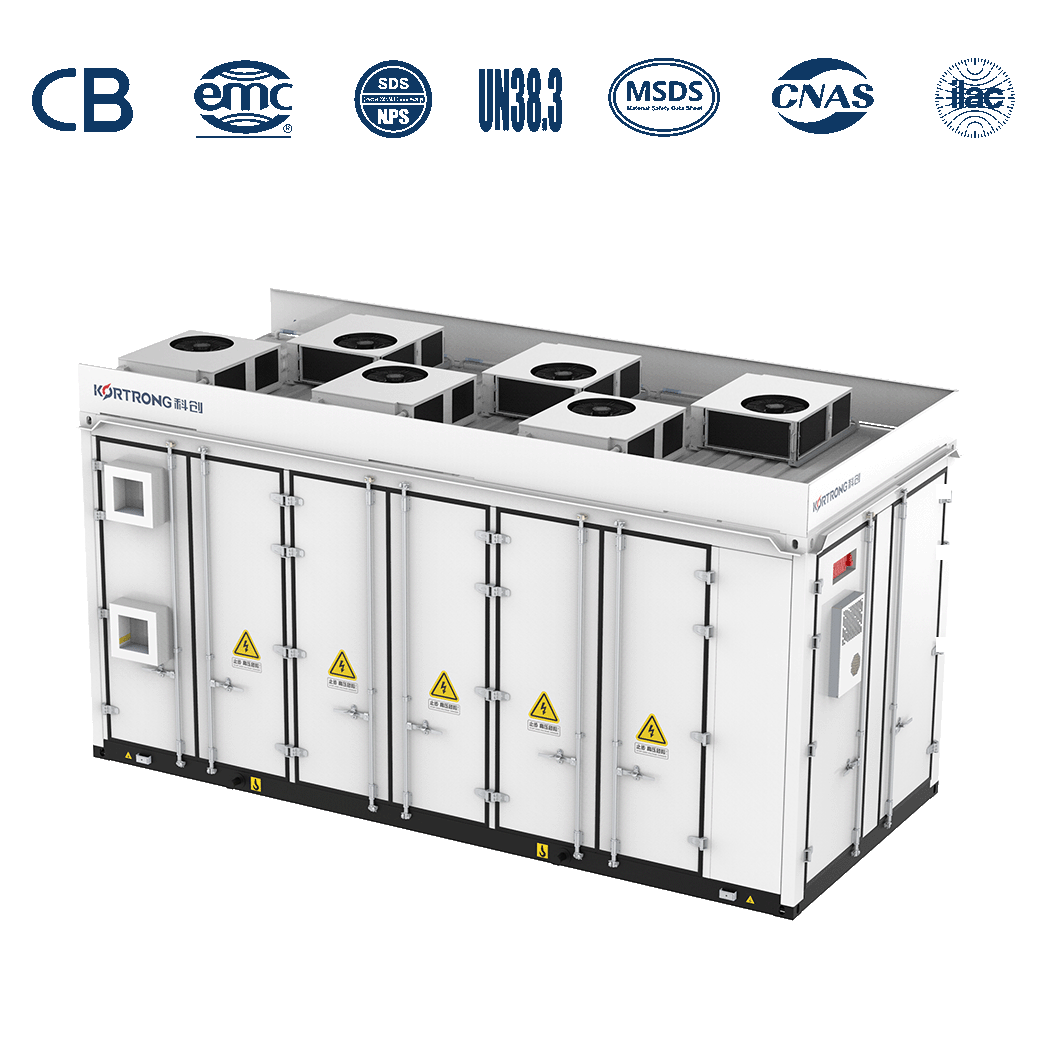
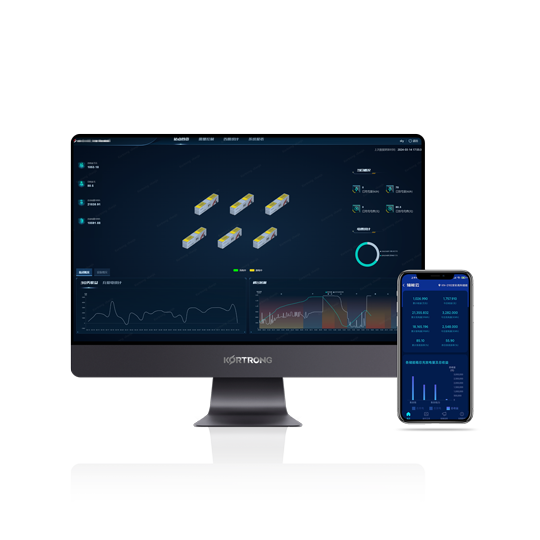
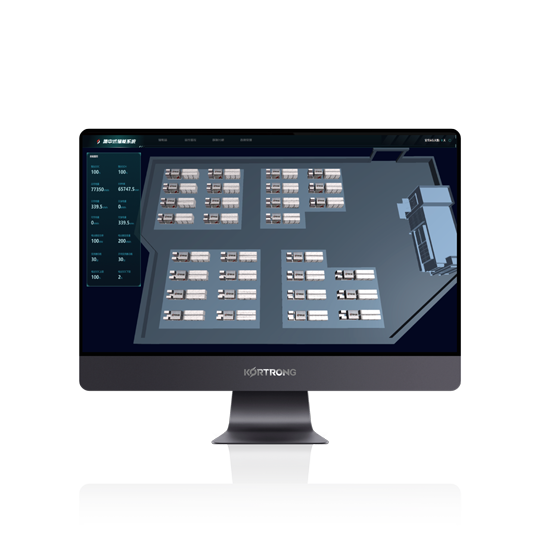
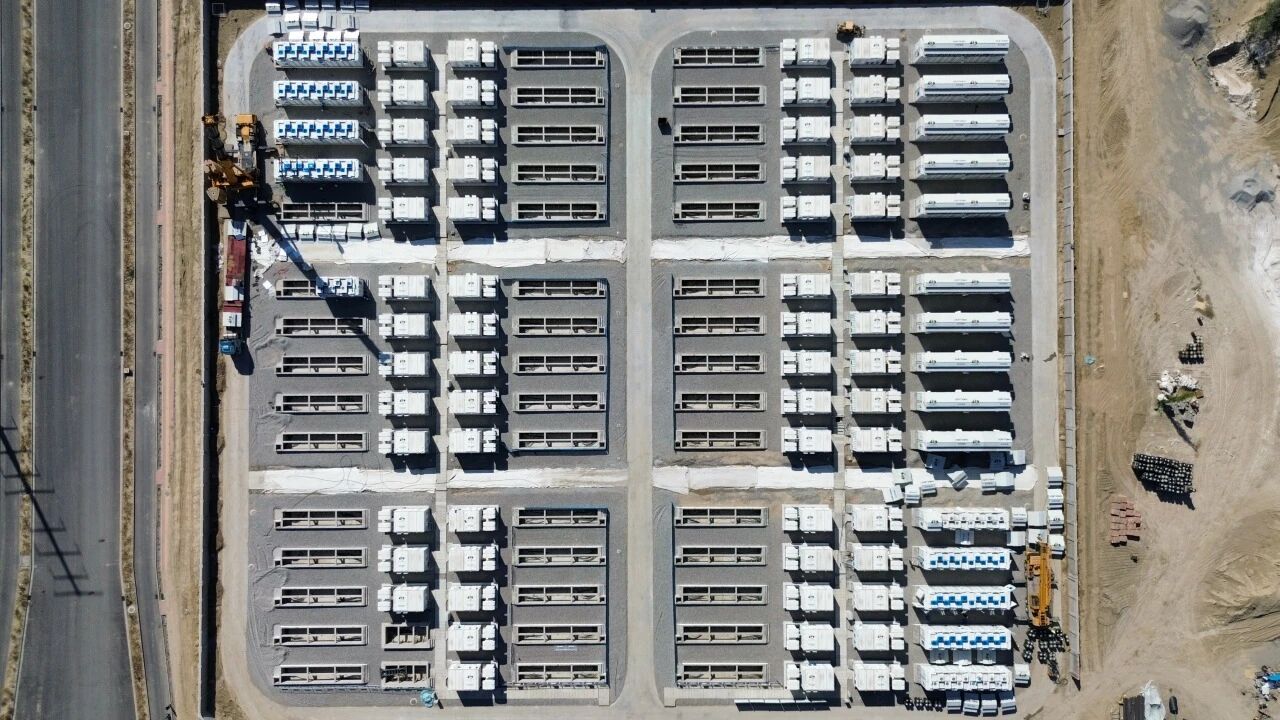
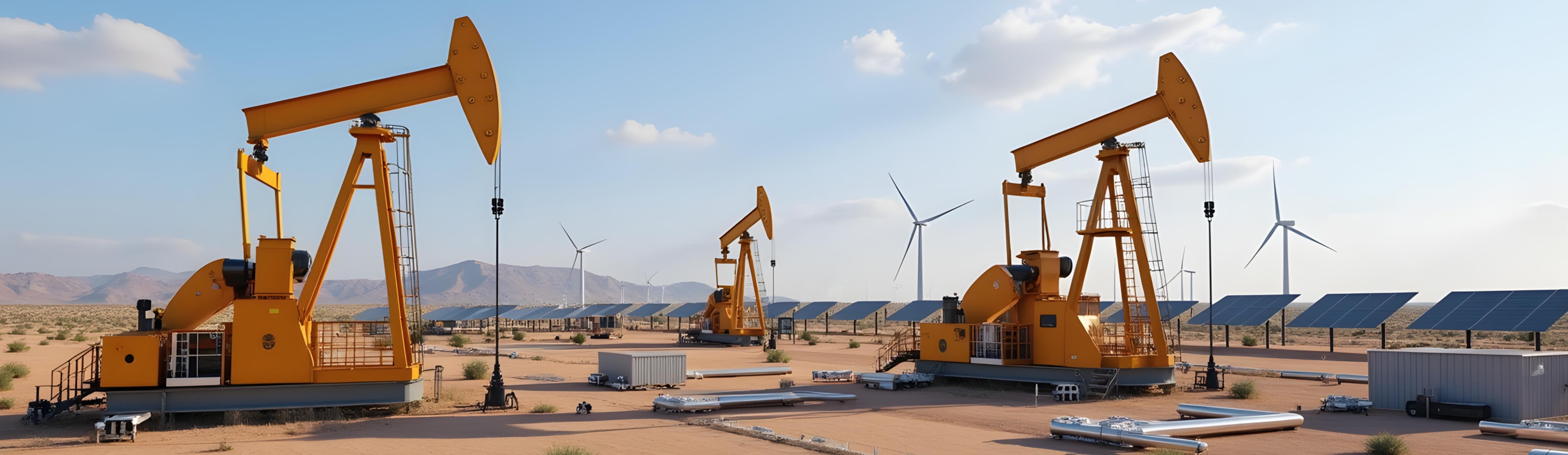
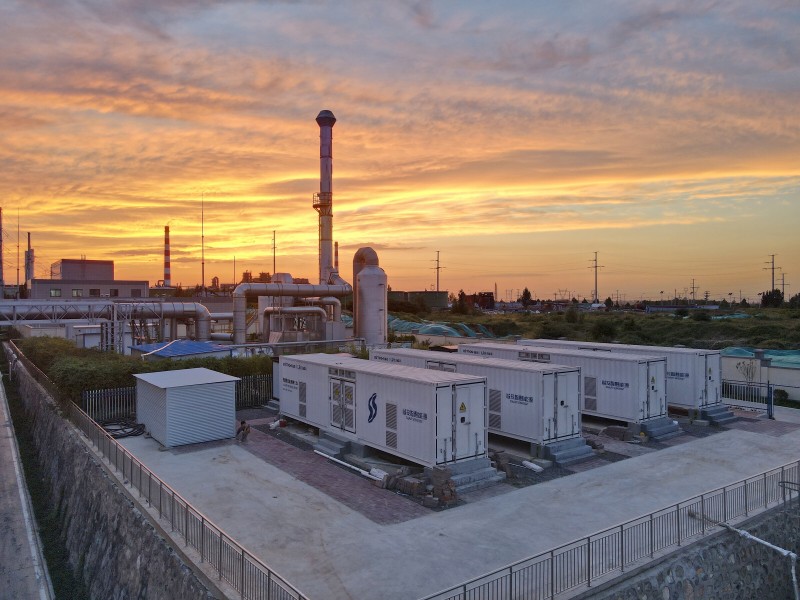
In China, Kortrong is developing standalone BESS projects in Shanxi (400 MWh) and Ningxia (1 GW / 2 GWh).
Shanxi is home to China's first officially operating electricity spot market. Standalone storage accounts for more than 80% of installed capacity, creating opportunities to participate in energy arbitrage as well as primary and secondary frequency regulation.
This creates a diversified revenue model built around multiple market mechanisms.
In Ningxia, the focus is on integrating growing volumes of renewable generation. The storage system absorbs surplus solar power during the middle of the day and releases it during evening peaks.
Revenue comes from energy arbitrage, capacity compensation and ancillary services such as frequency regulation.
In both markets, the investment case goes beyond equipment delivery. The value lies in developing, operating and optimizing the storage asset throughout its lifecycle.
The same capabilities can be applied in markets where reliable electricity remains a critical constraint and industrial demand is already established.
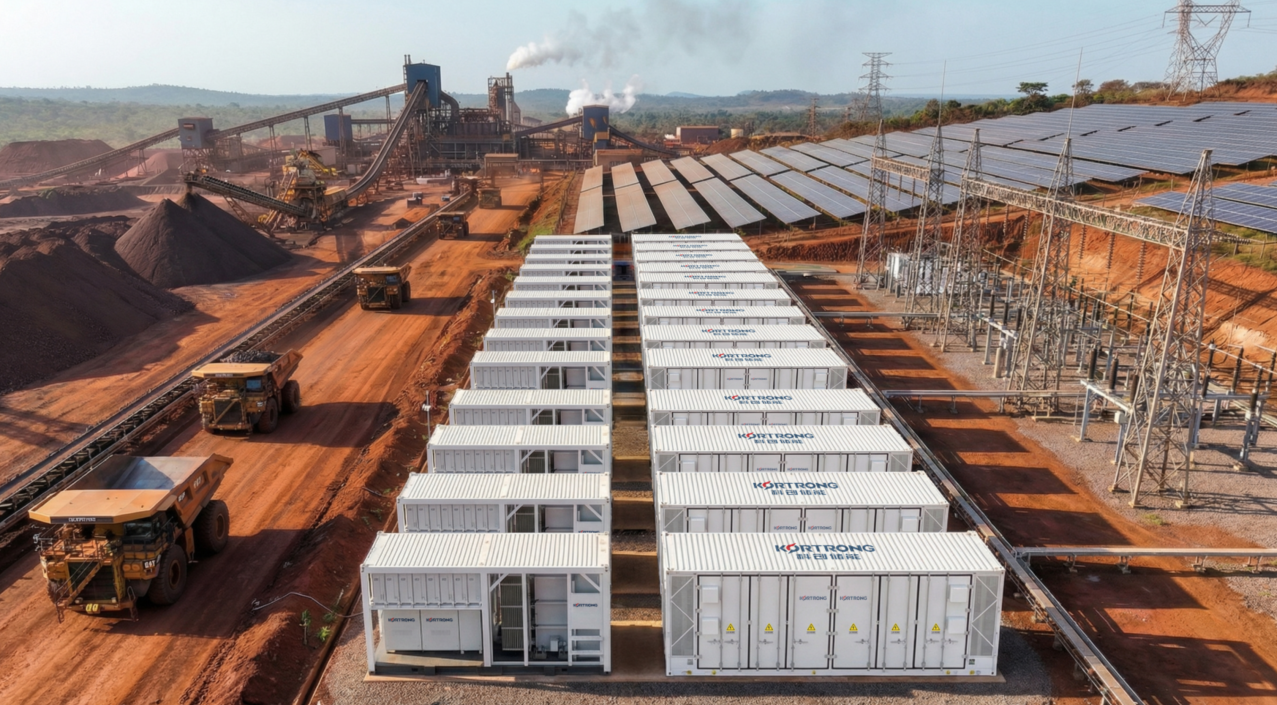
At a TCC mining site in Africa, the public grid can supply only 10 MW, while peak demand at the production base reaches 40 MW.
Diesel generation has traditionally bridged the gap, but at a high operating cost and with limited reliability.
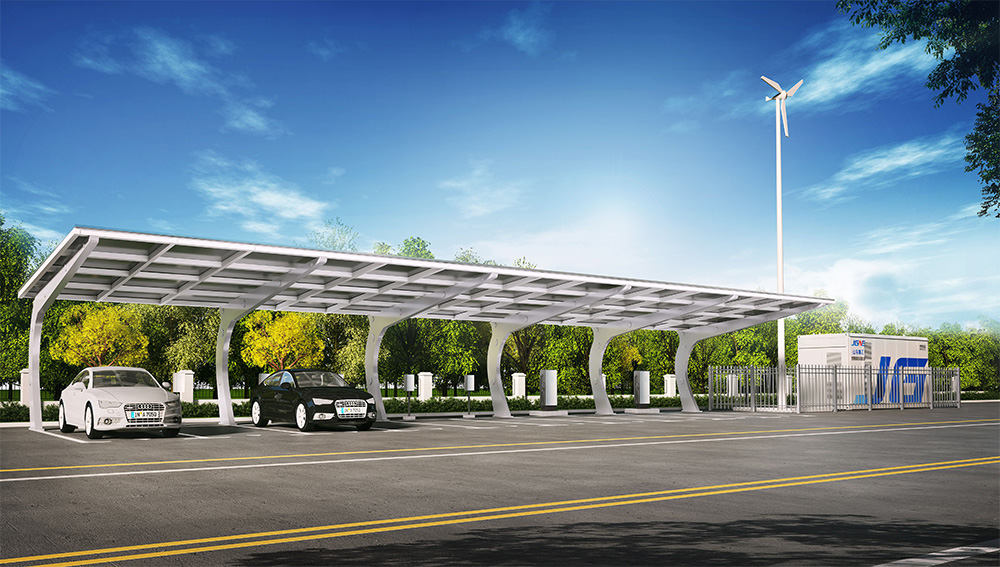
Kortrong is developing a multi-energy hybrid microgrid under its EPC+F+O model, combining 32 MWp of solar PV with 25 MW / 50 MWh of grid-forming energy storage.
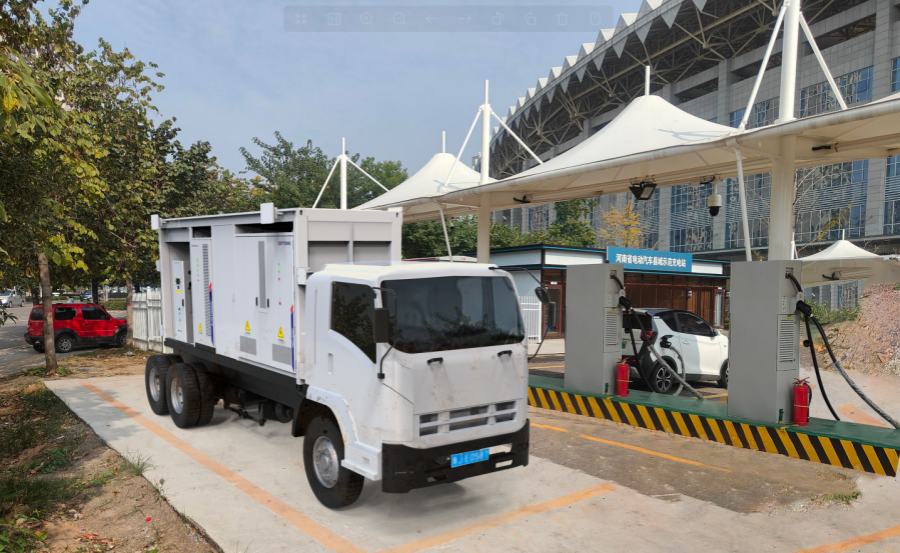
Diesel generation will remain available as cold standby rather than serving as the primary power source. Critical-load transfer can be completed within 30 seconds.
The project is expected to deliver 42 million kWh annually, reduce CO₂ emissions by approximately 35,000 tonnes, and lower electricity costs by more than 60%.
The project is not simply about adding renewable generation. It is about creating a more reliable and economical power system for an industrial operation with substantial and continuous electricity demand.
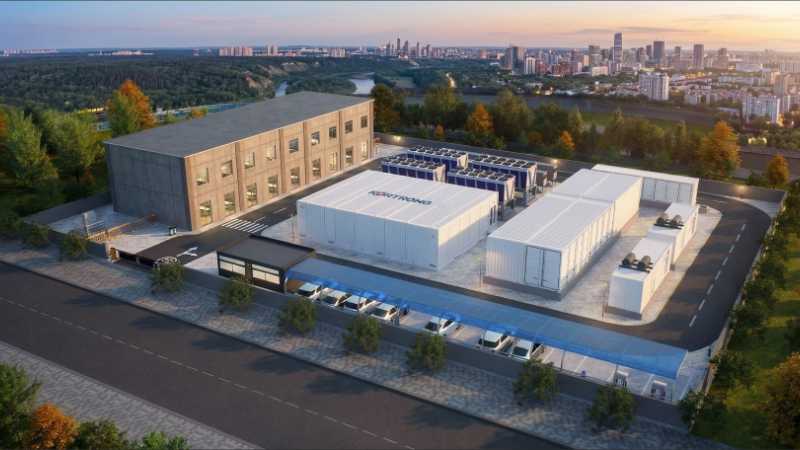
In Indonesia and Malaysia, Kortrong is applying its energy capabilities to AI and digital infrastructure, where rapidly increasing computing demand is creating new requirements for reliable and cost-efficient power.
For an AI data center, electricity is one of the largest operating expenses.
Kortrong's approach combines source-grid-load-storage green power with modular immersion-cooled computing systems, integrating energy supply and high-density computing within a single infrastructure architecture.
The objective is straightforward: use reliable, lower-cost green power to improve the economics of compute operations.
By applying its existing capabilities in energy storage, power management, thermal management and microgrid control, Kortrong can address both sides of the infrastructure equation—the power required by computing and the computing enabled by that power.
This creates a measurable operating-cost advantage while bringing Kortrong's energy technology platform into a new infrastructure segment.
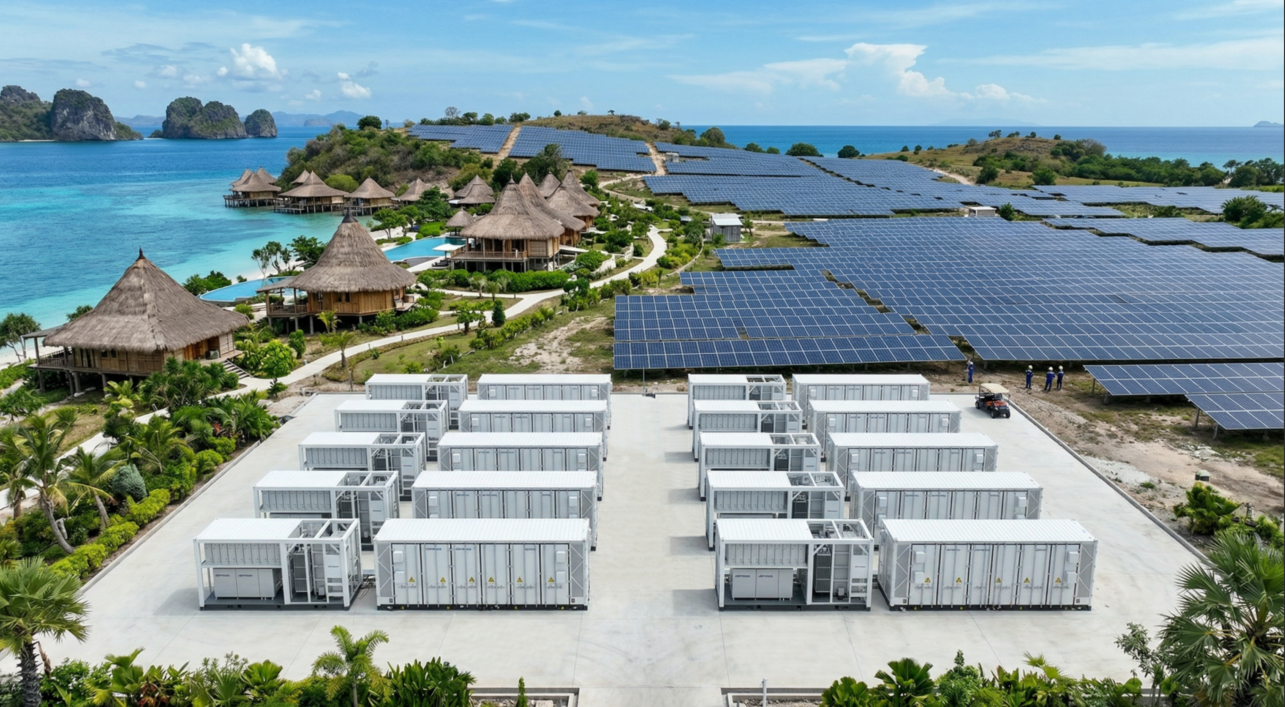
From large-scale renewable energy bases in China to industrial microgrids in Africa and AI infrastructure in Southeast Asia, Kortrong is applying its core capabilities to different energy and infrastructure needs.
The projects differ in geography, scale and application. What connects them is the underlying approach: combine proprietary technology with project investment, engineering and long-term operations to create value across the full lifecycle of the asset.
For Kortrong, this is not simply a move from one market to another.
It is the continued application of energy technology wherever new infrastructure needs reliable, efficient and increasingly renewable power.
Where the energy demand goes, the capabilities to serve it follow.
From China's large-scale renewable energy bases to industrial microgrids overseas and the infrastructure supporting the next generation of computing, Kortrong is applying the same technological foundation to increasingly diverse energy environments.
Where the sun leads, Kortrong follows with technology, investment and long-term operating capabilities.
A greener future is not simply a vision. It is built project by project.
May China prosper, and may the path to a greener future continue to widen.