Southeast Asia's AIDC market is growing fast. The regional data center market is projected to reach about $15 billion in 2026, with a CAGR of nearly 15%. Singapore, Johor in Malaysia, and Jakarta in Indonesia form the core compute triangle. The Asia-Pacific development pipeline has reached 26.5 GW. But behind the boom, a structural mismatch is widening—demand is growing faster than infrastructure can support.
What defines Southeast Asia is uncertainty. Several factors overlap:
Engineering. Construction quality varies widely across the region. On-site integration of high-density systems is hard to schedule and hard to guarantee.
Power. The region's annual grid investment gap is about $18 billion. Grid upgrades take 5 to 15 years; data centers can be built in 1 to 3 years. In some areas, projects exist without grid quotas.
Cooling. Tropical heat and humidity create constant thermal pressure. Municipal water approval is strict, and water quotas are tight. Traditional water cooling and pure air cooling both hit bottlenecks.
On top of that, compliance policies are tightening. Malaysia's LSS6 makes energy storage a grid connection condition. Thailand requires self-supplied clean power. Singapore uses PUE ≤ 1.3 and a renewable energy ratio as approval thresholds. The competition in Southeast Asian AIDC is shifting—from single-point equipment performance to the ability to systematically reduce uncertainty through integrated solutions.
Kortrong AIDC's approach: turn external dependencies—on local construction, on the municipal grid, on municipal water—into self-controlled capabilities. The result is a closed loop covering the full construction and operation lifecycle.
01 Engineering Certainty: Prefab Containers Cut Construction Variables
Engineering uncertainty is the first hurdle. High-density compute clusters demand tight integration of power distribution, cooling, and fire suppression. Traditional on-site construction depends on local engineering resources. Too many interfaces, too many variables. Build cycles stretch into years, and quality is hard to guarantee.
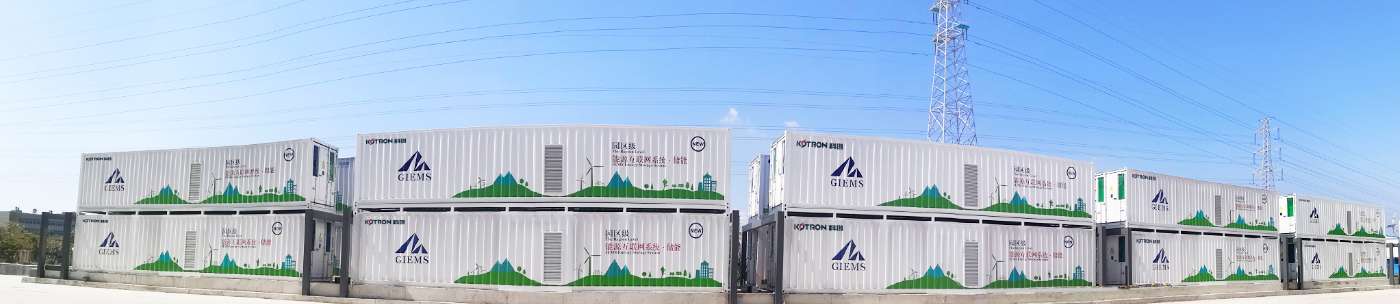
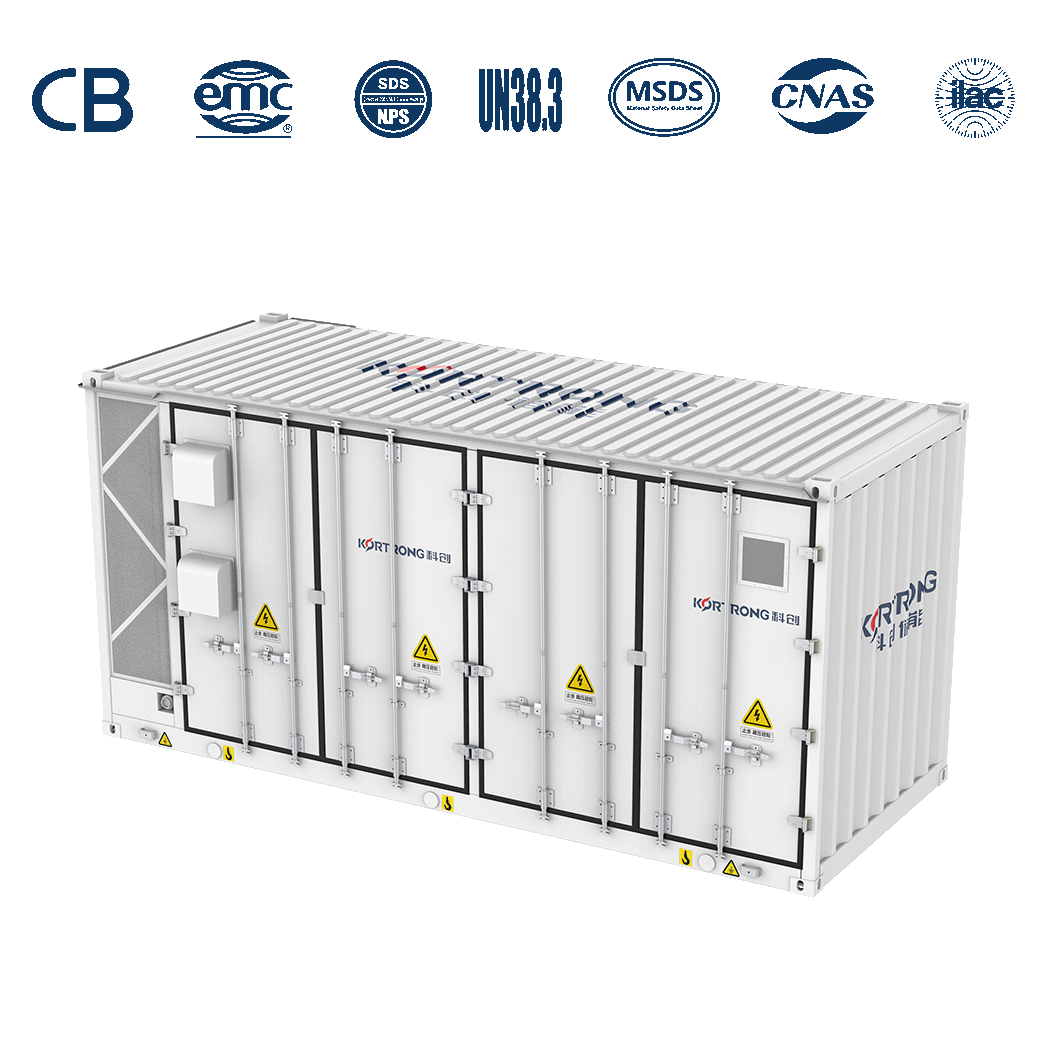
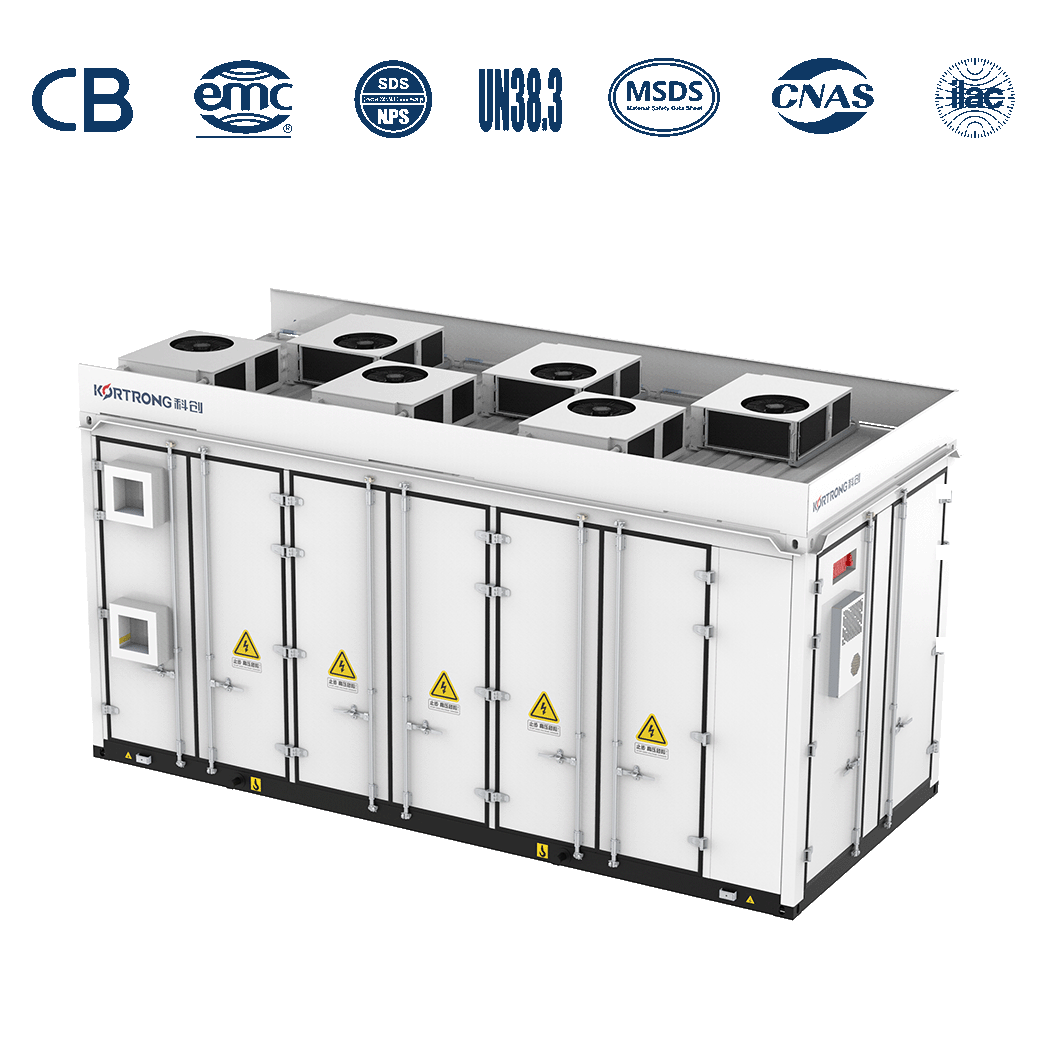
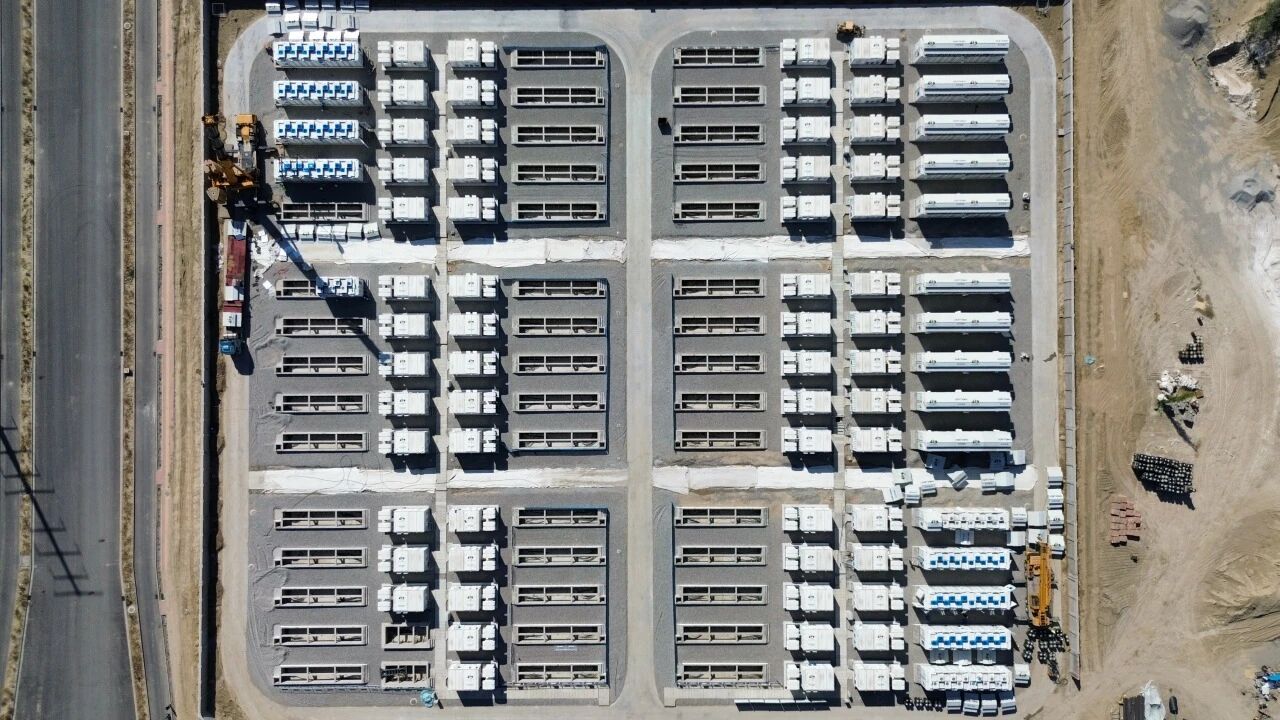
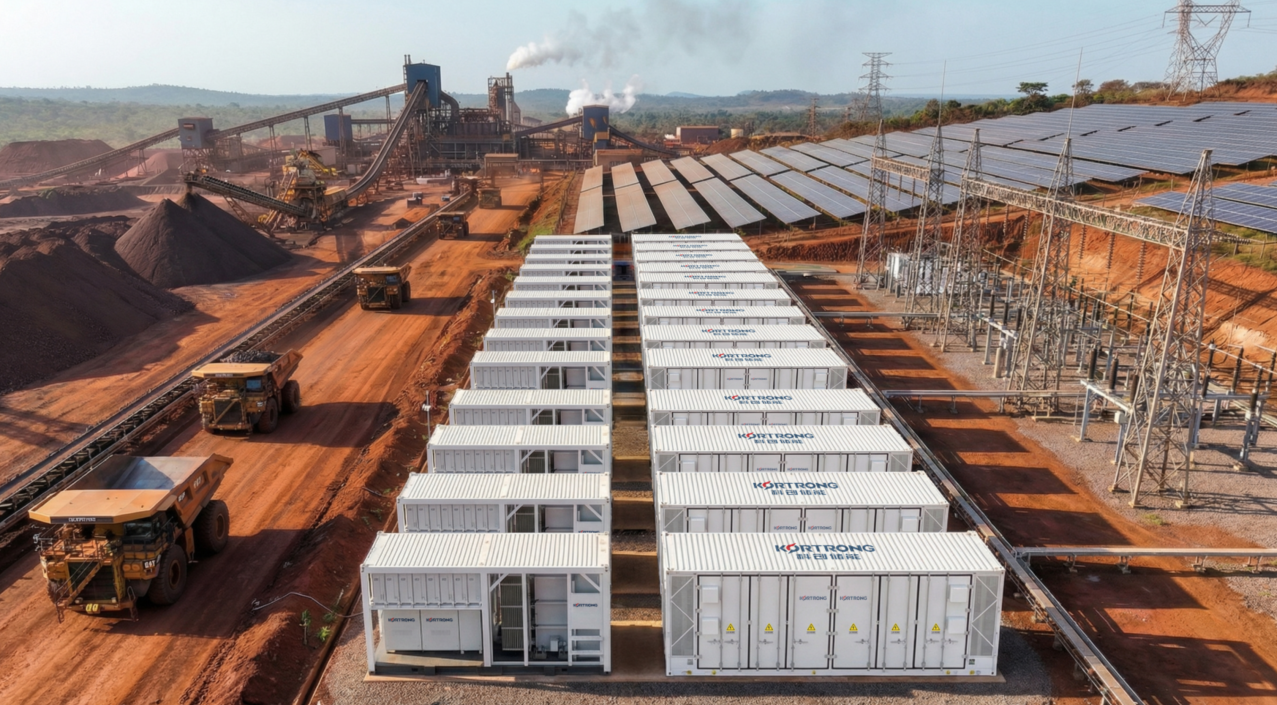
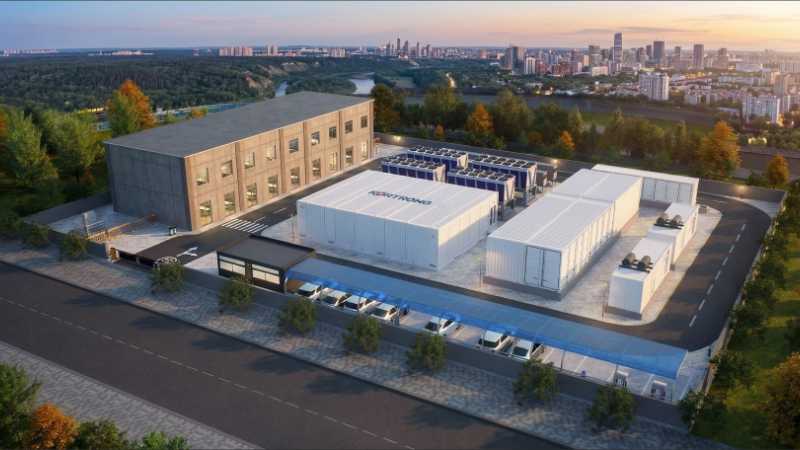
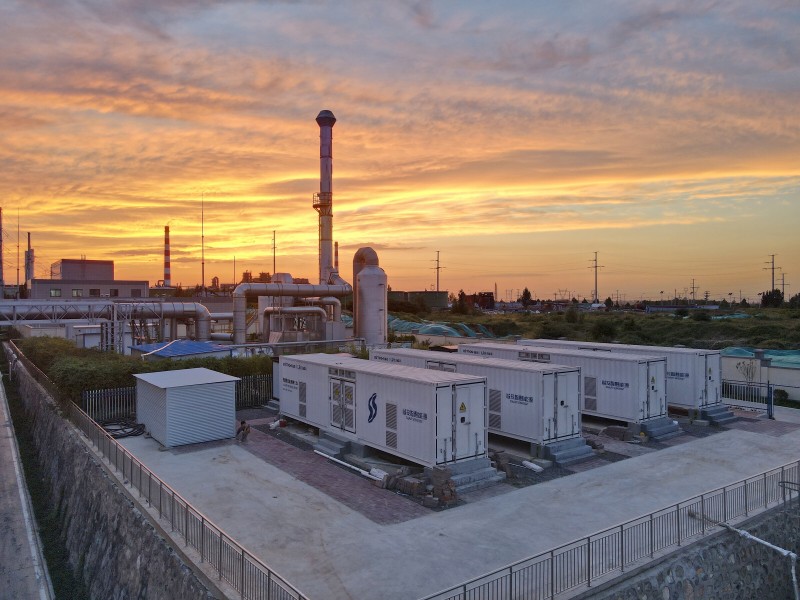
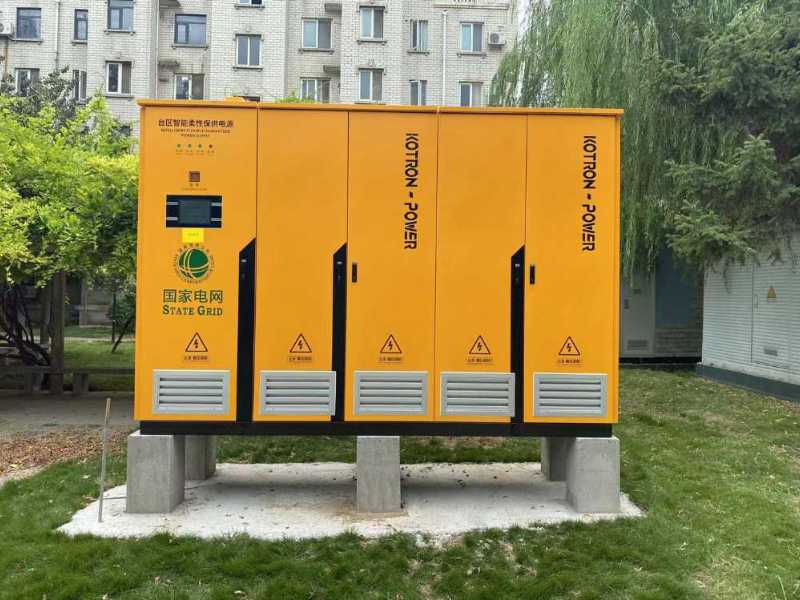
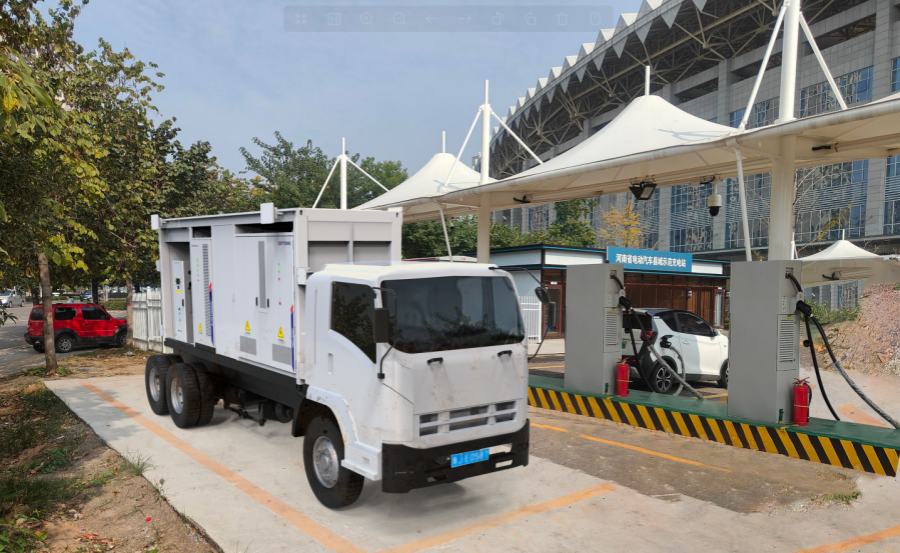
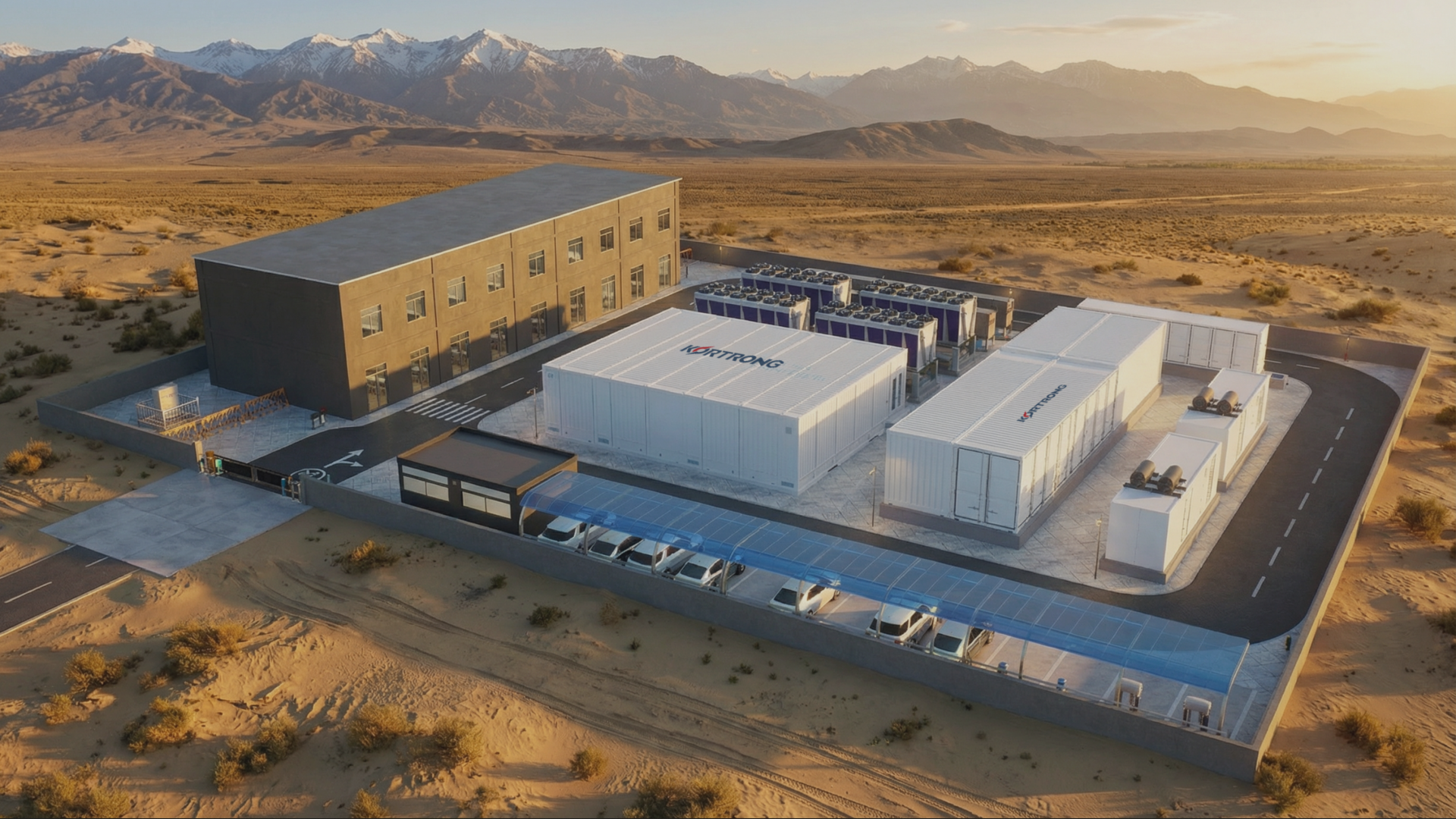
Kortrong AIDC's solution: move construction from the site to the factory. Using 40-foot containers as standardized units, all subsystems—power distribution, cooling, monitoring, and fire suppression—are integrated and validated in the factory. On-site work is limited to interface connections. The typical construction cycle drops from 18 months to 6 months. Reliability validation shifts from on-site commissioning to the factory. The certainty of a standardized production line offsets the uncertainty of local construction.
This prefab approach is not one-size-fits-all. It covers different scenarios: single-container all-in-one products ship ready to use, for edge computing and emergency facilities. Multi-container clustered products scale on demand to build large compute clusters. The entire line uses high-strength, corrosion-resistant enclosures and Tier III-equivalent redundancy for 24/7 reliability.
This is more than a change in delivery method. It is construction autonomy. Projects no longer depend on the skill level of local crews. The factory's standardized line becomes the ultimate guarantee of quality and schedule.
02 Energy Certainty: Gas Turbine + Solar-Storage Microgrid
Power supply during operation is a long-term commitment. Over the next decade, Southeast Asia's data center IT load is expected to grow from about 2 GW to over 5 GW. Electricity consumption will more than triple. The municipal grid alone cannot meet the needs of high-density compute clusters.
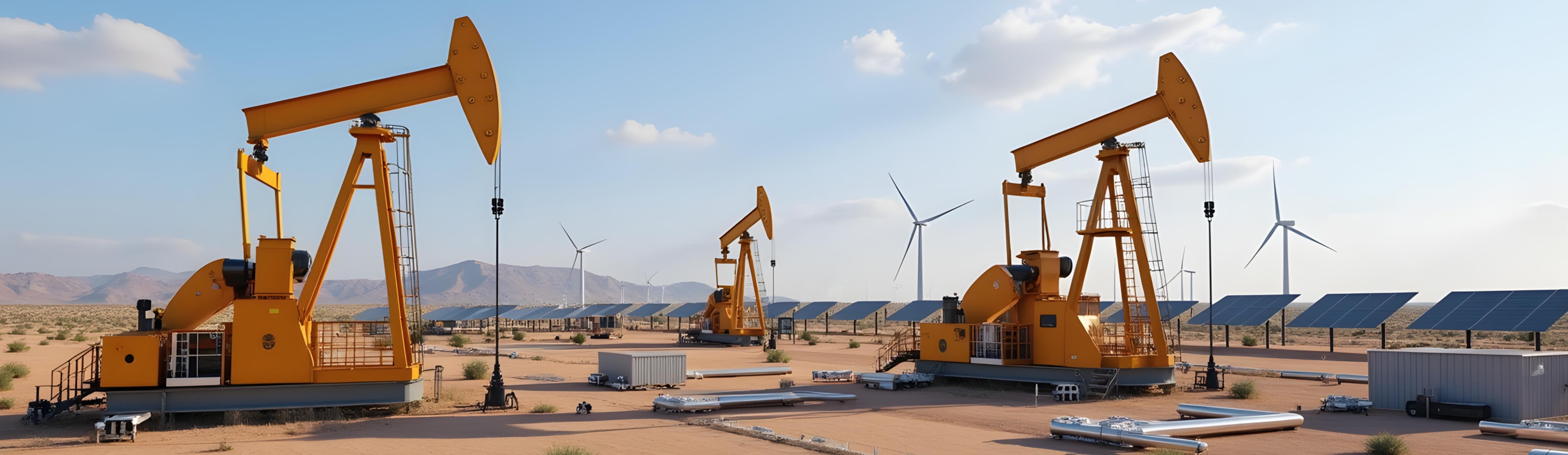
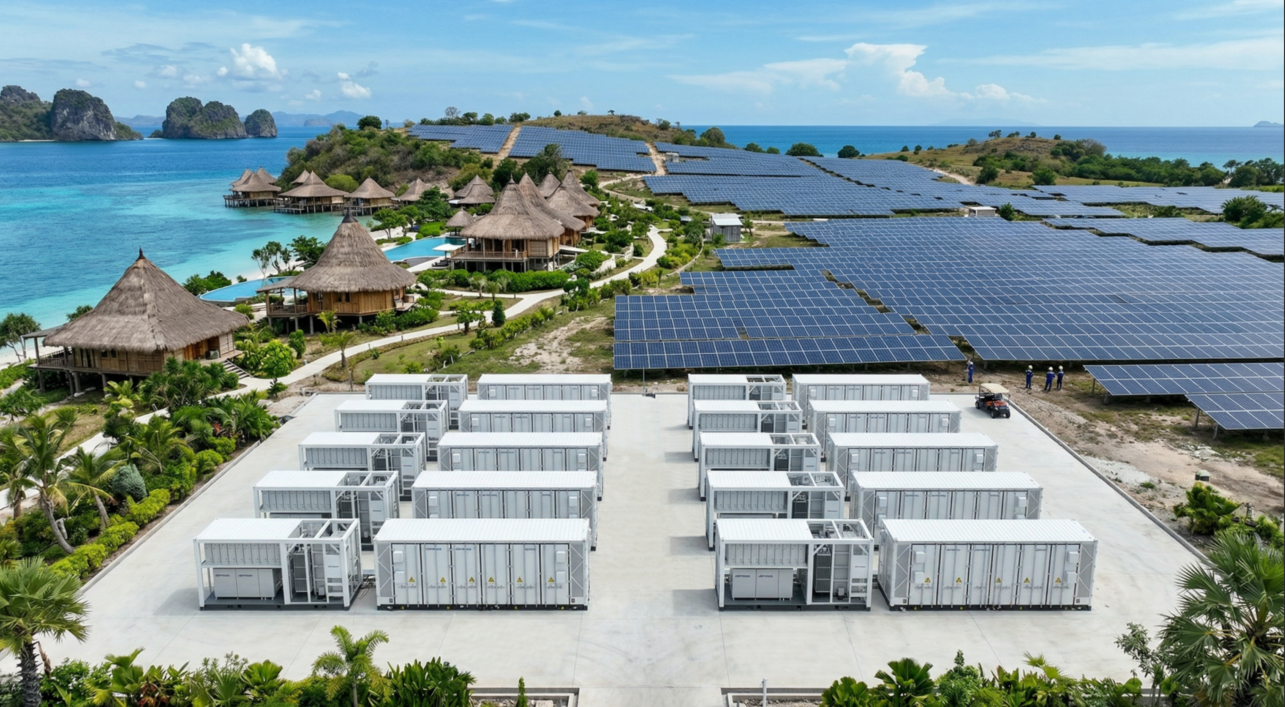
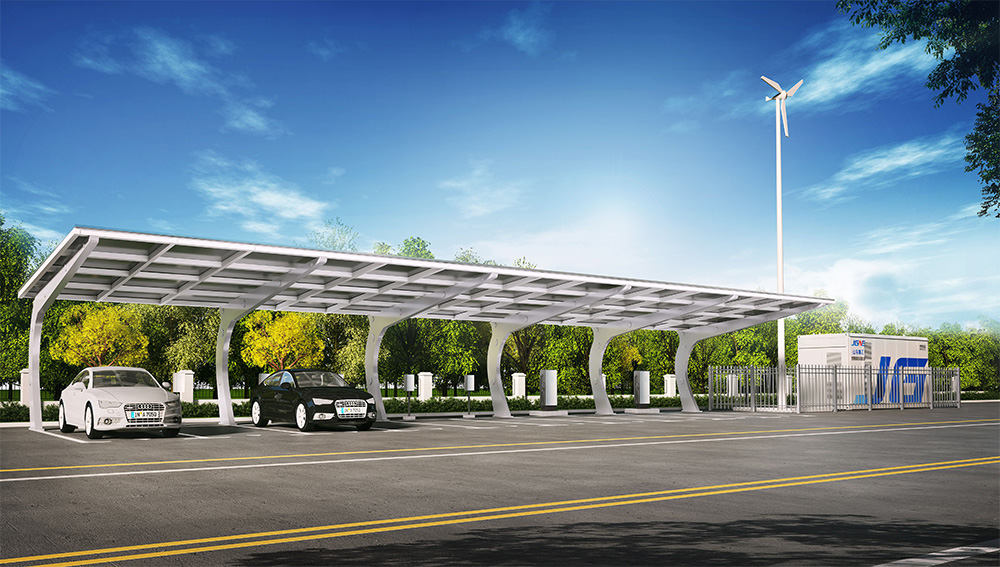
Kortrong AIDC builds a microgrid using “gas turbine + solar + wind + storage”. Power supply moves from the municipal grid to a self-owned system. Solar and wind provide primary green power. Gas turbines replace traditional diesel generators as backup. Grid-forming storage handles peak shaving and frequency regulation, smoothing renewable output. Together, the four form a stable, clean, independently operable power system—free from dependence on municipal grid expansion schedules.
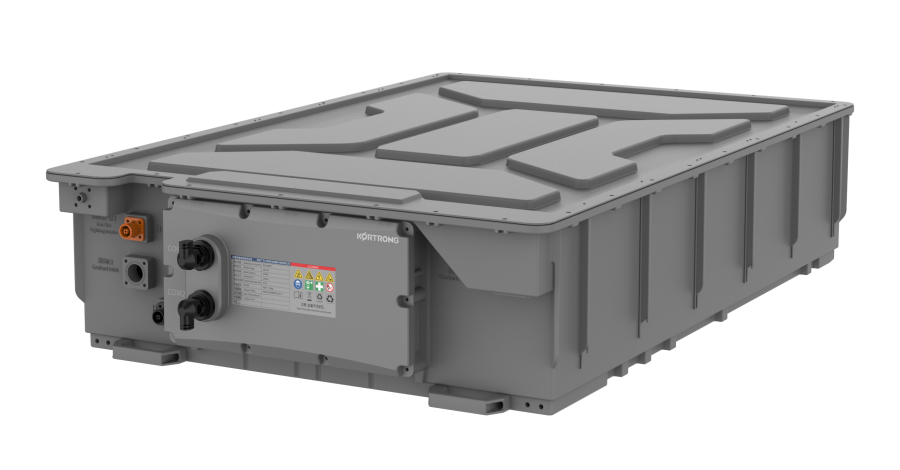
This model also brings cost and compliance advantages. Self-consumed green power plus storage peak shaving keeps electricity costs under control. Immersion-cooled lithium batteries replace lead-acid UPS, delivering 4x energy density and 30% longer cycle life. Power and compute are planned as one system. Green power ratio and storage configuration become default factory settings—directly meeting clean energy pre-approval requirements in multiple countries.
03 Cooling Certainty: Natural Cold Sources Break the Water Constraint
Power supply locks in the energy source. But the cooling system determines how much of that energy becomes useful compute. In Southeast Asia's tropical climate, heat and humidity make cooling a constant challenge. Traditional water cooling consumes large amounts of water, and projects are constrained by water quotas. Pure air cooling uses more energy, making PUE hard to control and long-term operating costs high.
Kortrong AIDC builds a hybrid cooling system using lake-based indirect heat exchange + dry-wet closed-circuit cooling towers. The cooling water source shifts from municipal supply to natural water bodies. Malaysia and other locations have abundant natural and mining lakes. Their deep, low-temperature water provides an ideal cooling source for compute. The system uses a fully isolated plate-type indirect heat exchange architecture. Compute-side medium and lake water are physically separated—no mixing risk. Valve logic automatically switches operating modes. When lake cooling is favorable, spray evaporation water consumption drops. The closed-circuit cooling tower acts as a fallback, unaffected by seasonal water temperature stratification, ensuring stable year-round operation.
For a 25 MW AIDC, a pure dry cooler approach yields a PUE of about 1.38–1.43. With lake-based indirect heat exchange plus dry-wet closed-circuit cooling towers, PUE can reach 1.26–1.34. Compared with a standalone closed-circuit cooling tower system, this saves about 0.6843 MLD of municipal makeup water per day on average—totaling about 249,800 tons of municipal water savings annually.
The design balances water savings with operating energy consumption. Thermal discharge, water pollution, and ecological disturbance are strictly controlled to meet local environmental approval requirements—freeing projects from dependence on municipal water quotas.
Engineering autonomy, energy autonomy, cooling autonomy—three pillars converge into a self-sufficient compute node that does not rely on local infrastructure. In Southeast Asia, reducing external dependencies is how you gain a first-mover advantage. That is the new paradigm Kortrong AIDC offers for compute infrastructure.