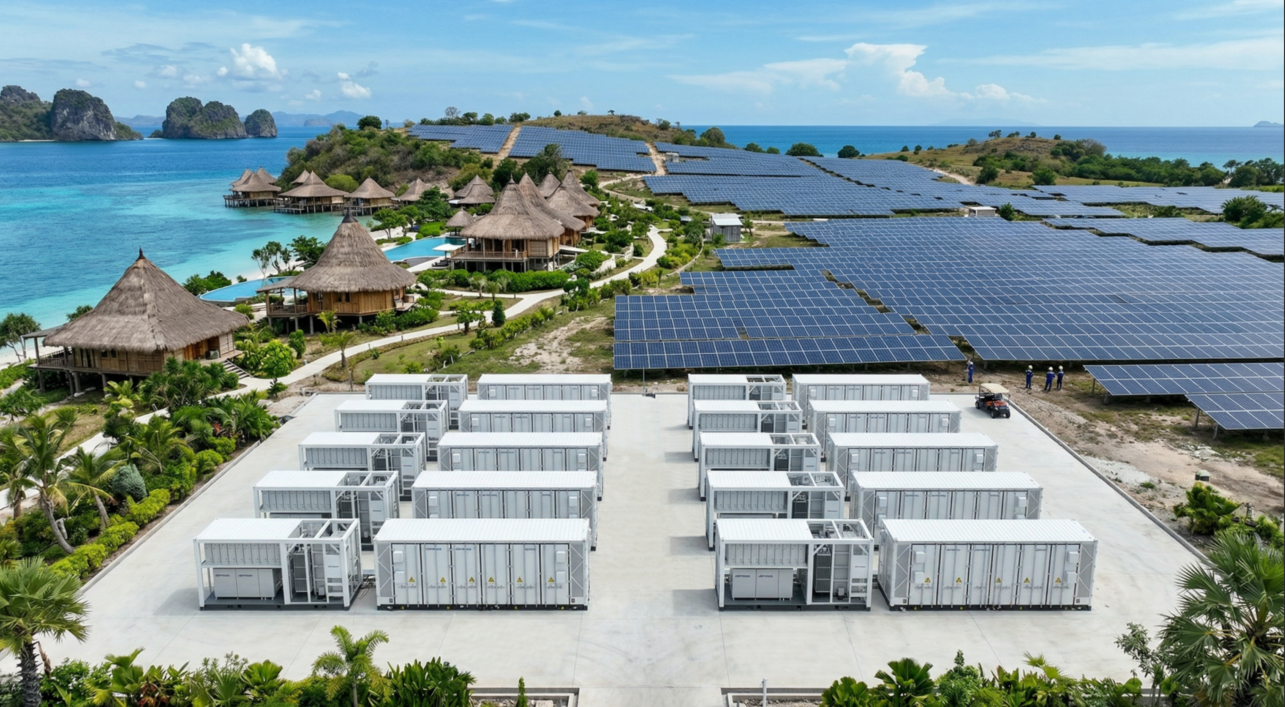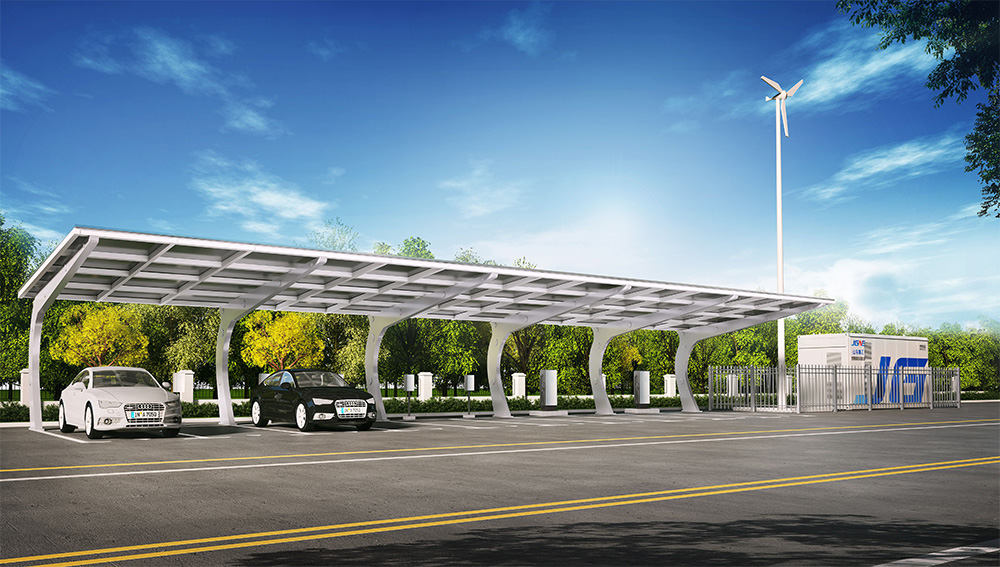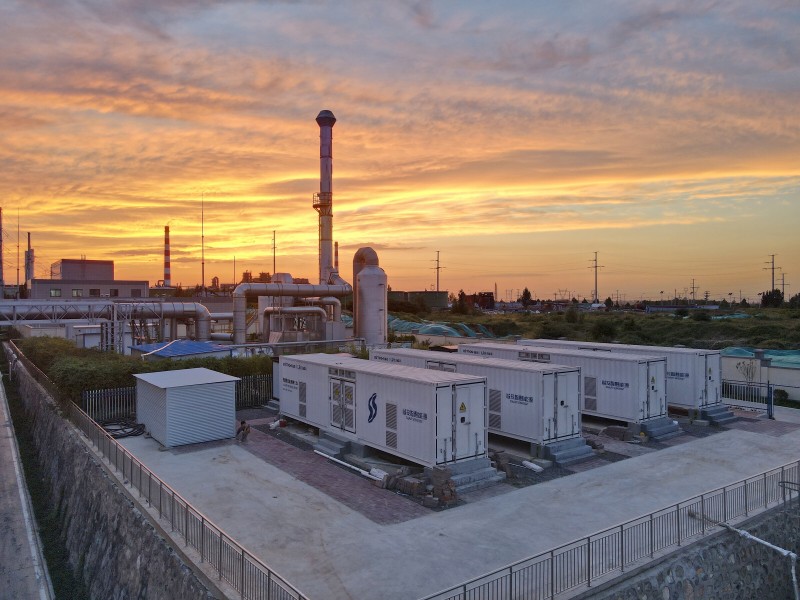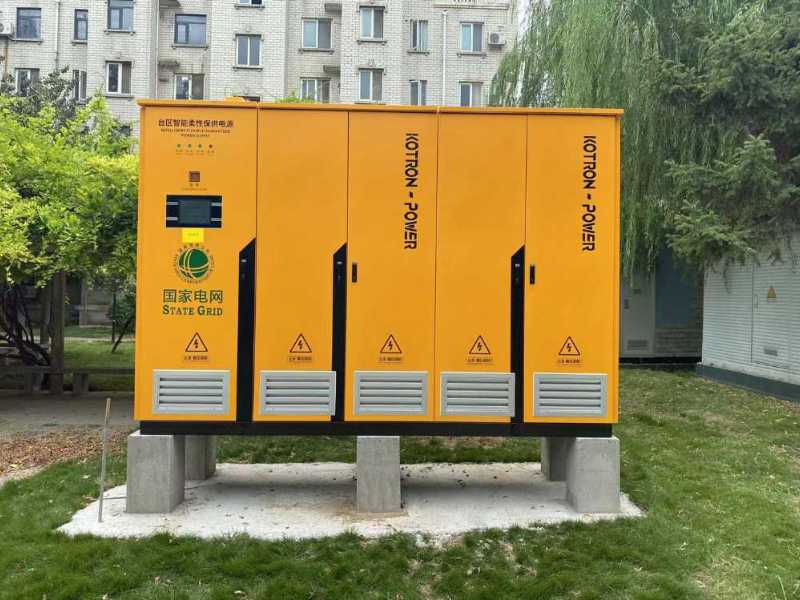
As Artificial Intelligence Data Centers (AIDCs) morph into the "super energy consumers" of next-generation infrastructure, their underlying power architectures are facing unprecedented pressure to reinvent themselves. Driven by the recent joint release of the Action Plan for AI-Energy Synergy by four national ministries, "Computing-Power & Energy Synergy" has officially escalated into a national strategic mandate. Consequently, securing a direct supply of green power has shifted from a corporate sustainability option to a high-stakes race that operators must run—and win.
The Mandatory Pivot to Zero-Carbon Infrastructure
The national Action Plan for AI-Energy Synergy marks a pivotal shift, codifying the intersection of data and energy into a macroeconomic priority. The regulatory framework enforces a dual-track roadmap:
● Hard Utilization Thresholds: Green energy penetration is now codified as a strict regulatory "red line," moving in tandem with aggressive mandates for Green Electricity Certificate (GEC) trading and the total decarbonization of backup power systems.
● Macro-Spatial Alignment: The mandate enforces the synchronized planning of gigawatt-scale renewable energy bases and national computing hubs. By steering new AIDC deployments directly toward green-energy-rich pockets, the policy aims to achieve localized load balancing and carbon mitigation right at the source.
The message is clear: Direct green power supply is the definitive, mandated pathway. By bypassing the multi-stage conversion losses of the public utility grid, solar and wind assets will feed AIDCs directly. This policy-driven, cost-incentivized, and technology-backed systemic overhaul is now entering its window of commercial scale-up.
The Friction Between Volatile Generation and Rigid AI Loads
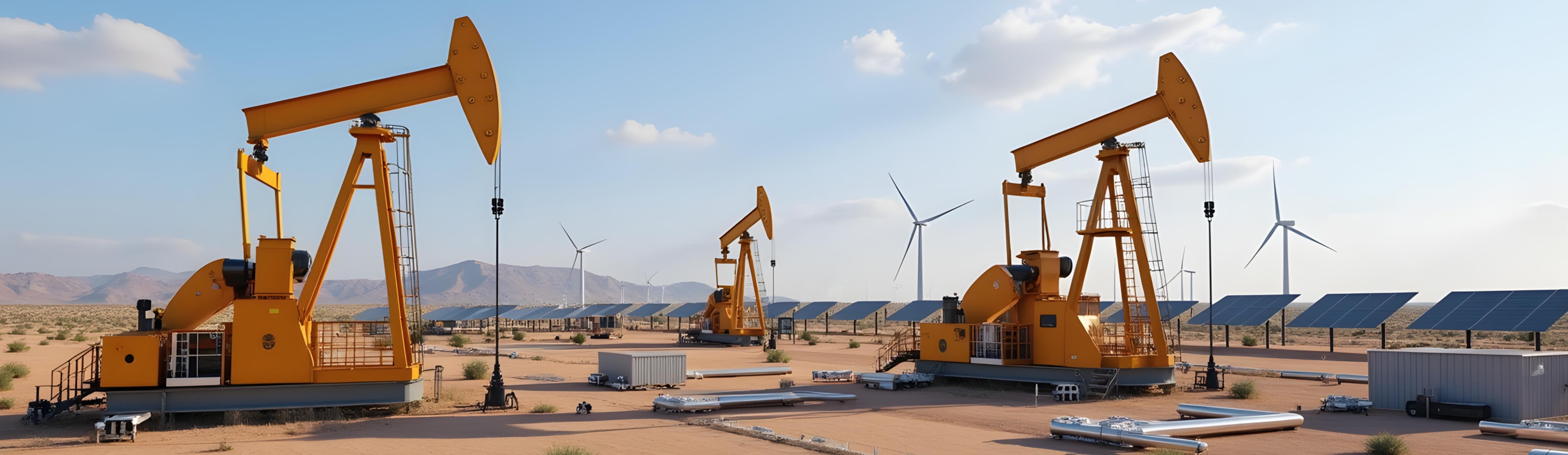
The fundamental barrier to escalating green energy share in AIDCs is a severe structural mismatch: the intermittent, highly volatile nature of wind and solar—particularly the daylight-restricted profile of photovoltaics (PV)—collides head-on with the uncompromising, 24/7, max-load demand of high-density GPU clusters. Simply scaling up renewable capacity cannot break the utilization ceiling. Under legacy architectures, pushing more renewable power into the system triggers a dangerous trade-off: push for higher green metrics and risk catastrophic grid instability; pull back to preserve uptime and fail compliance.
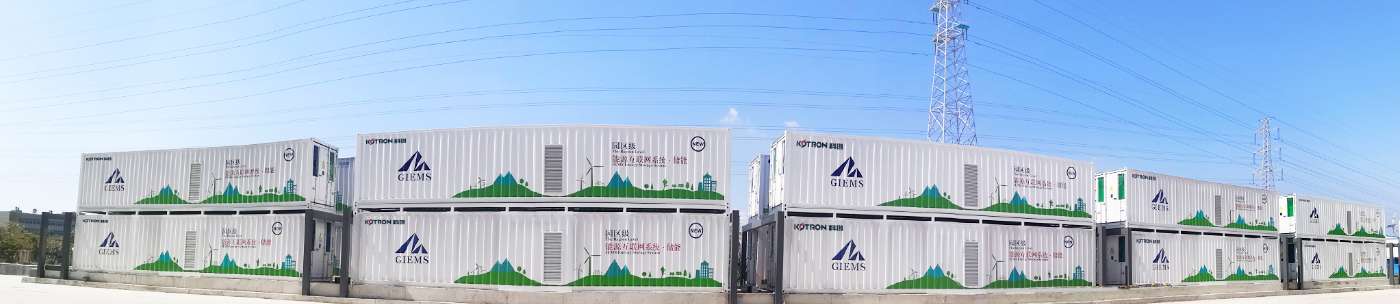
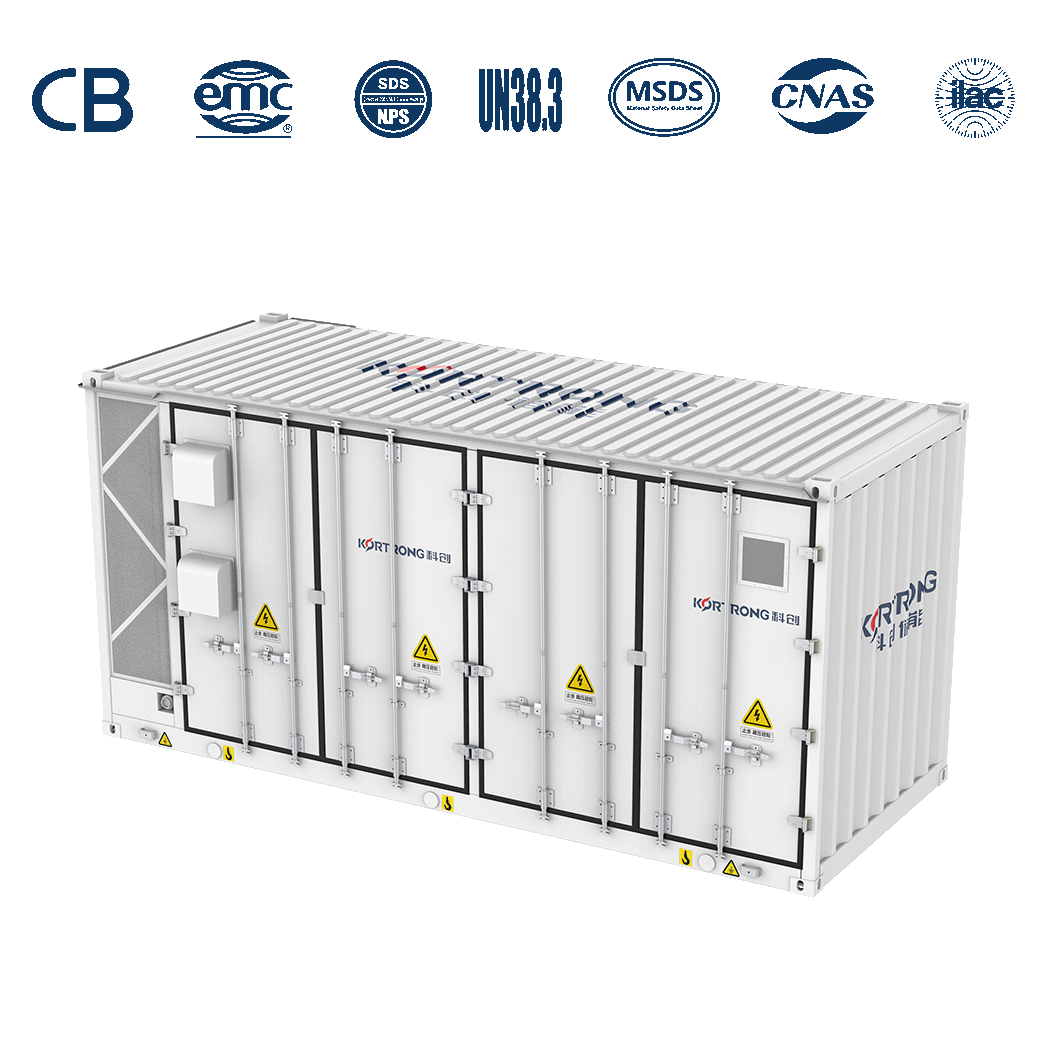
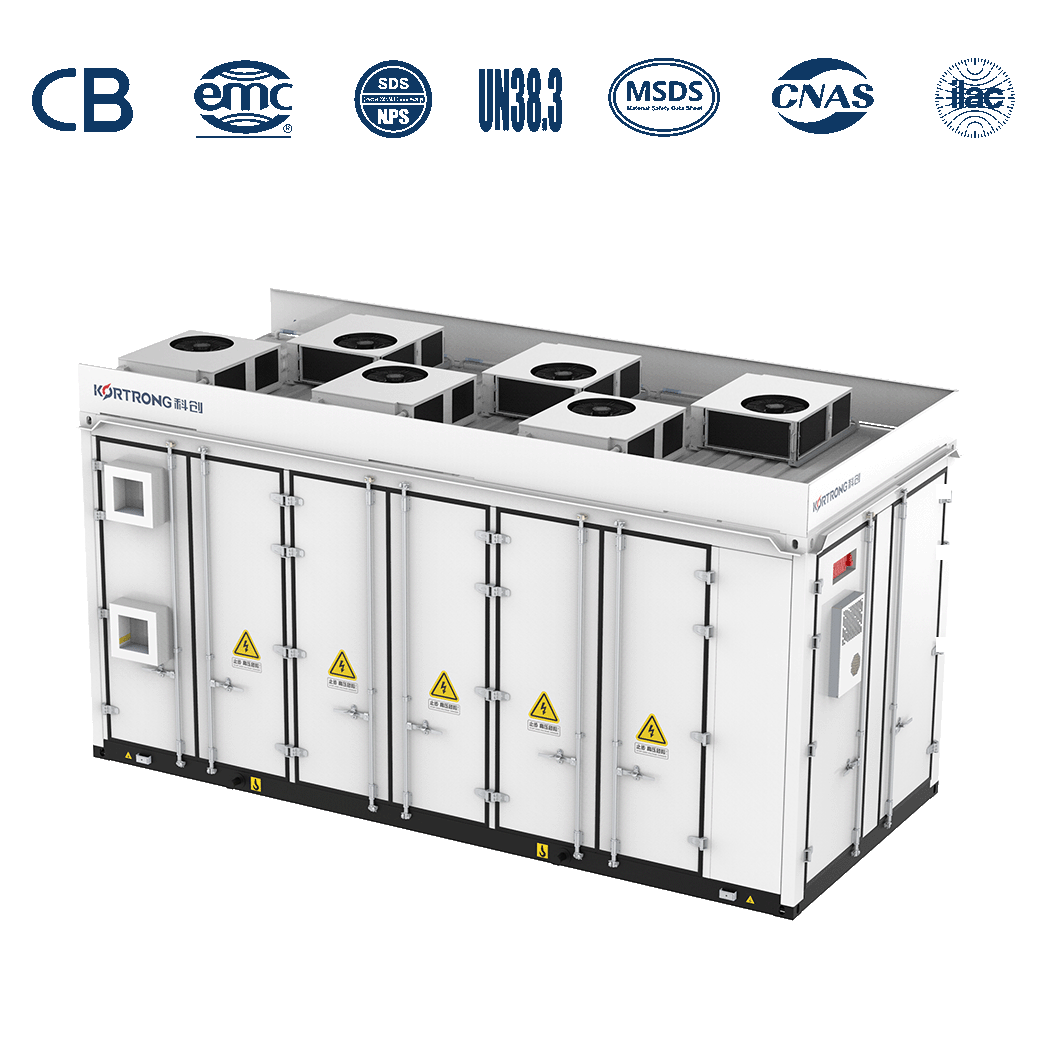
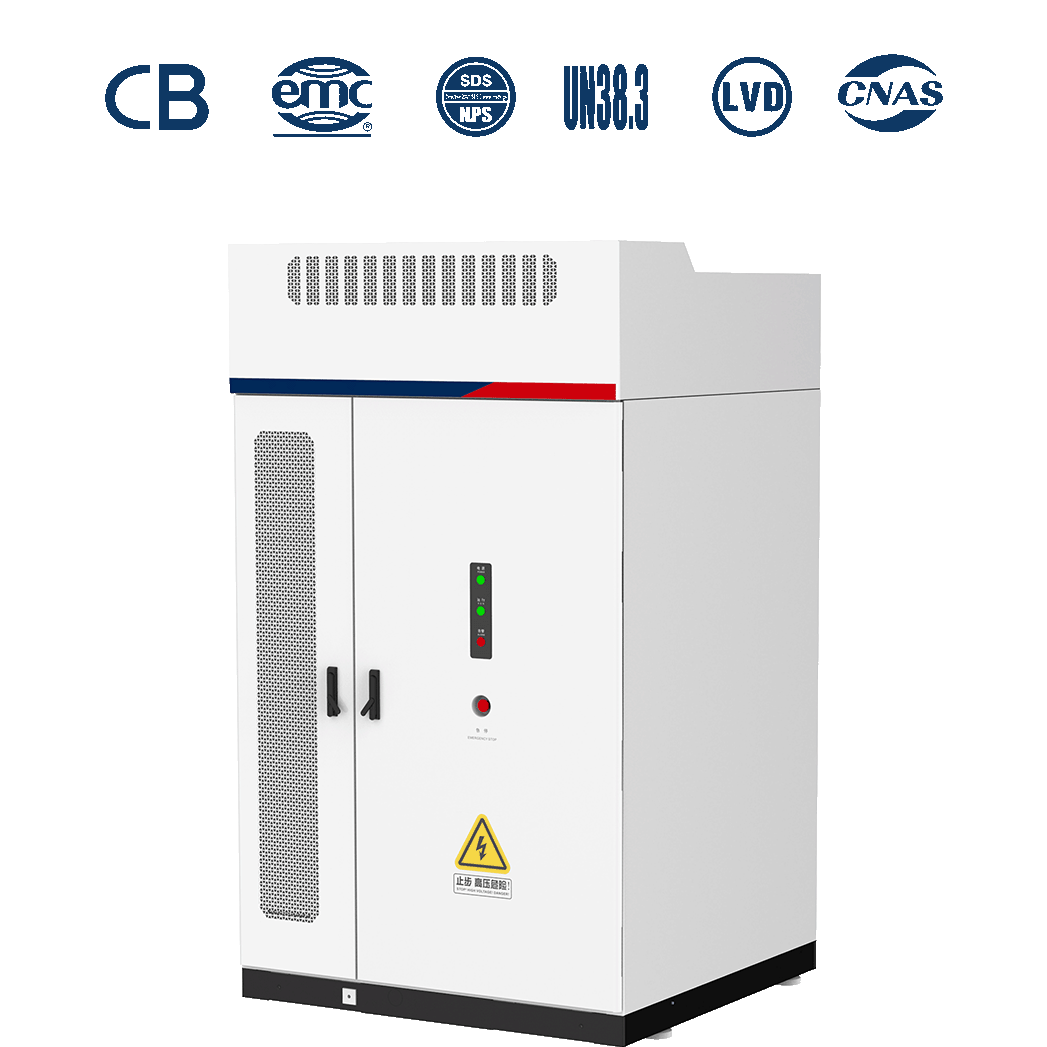
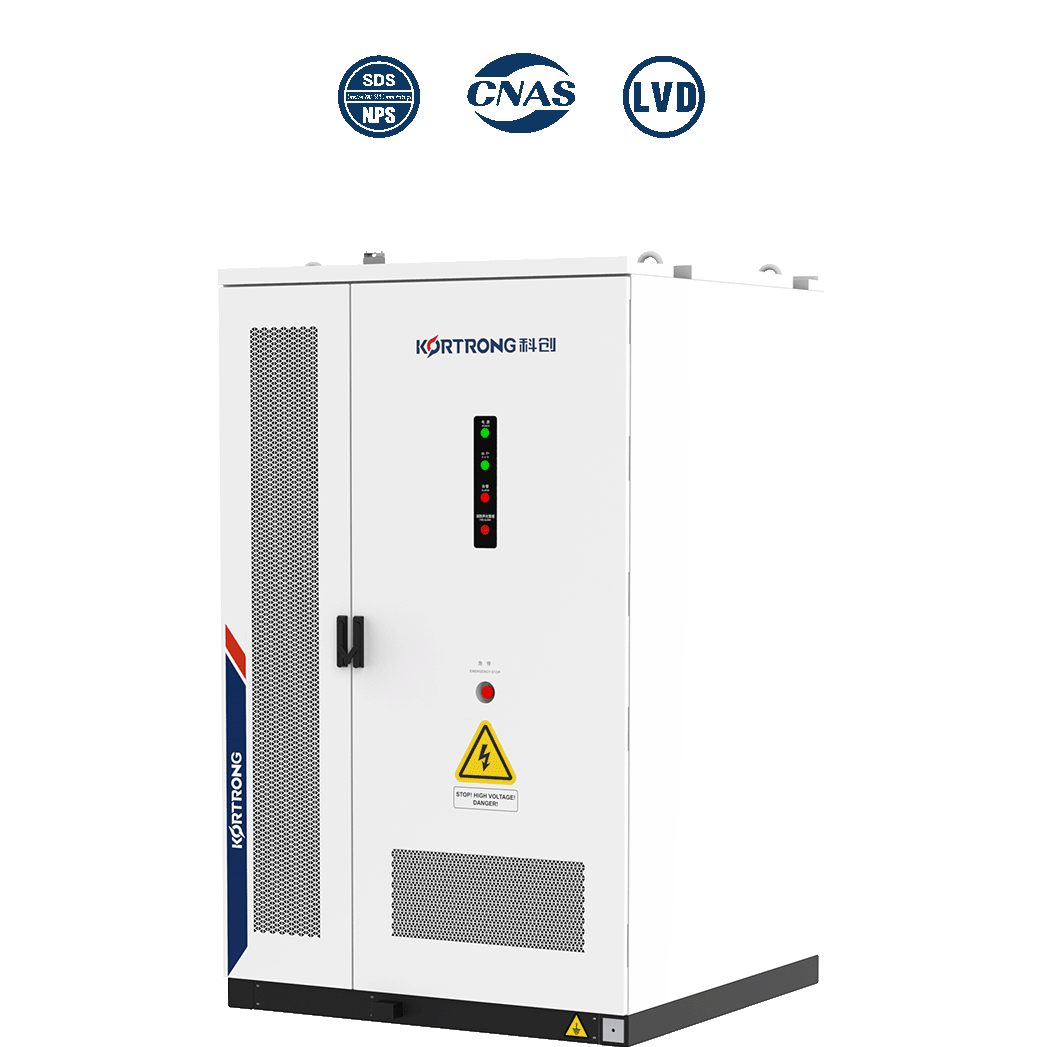
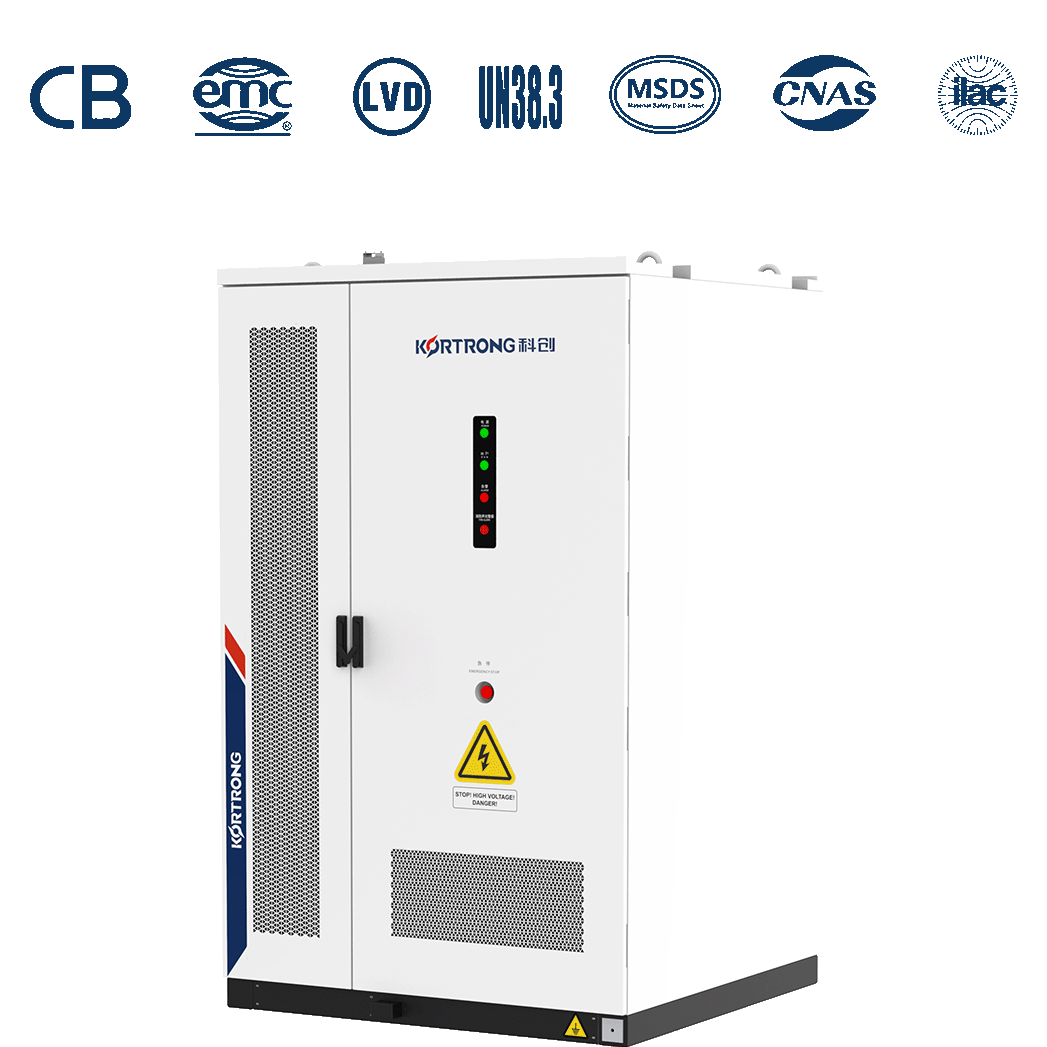
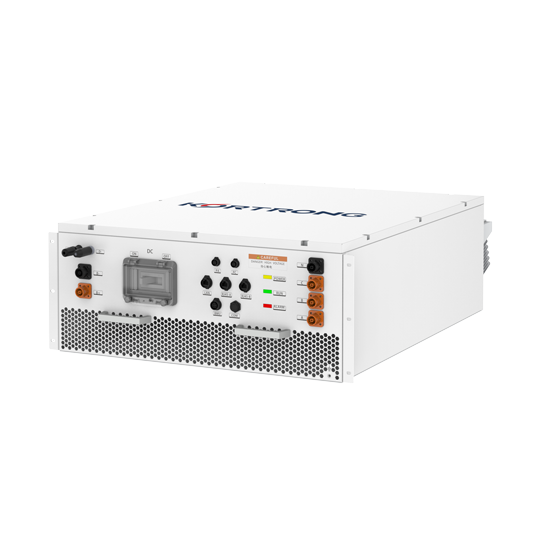
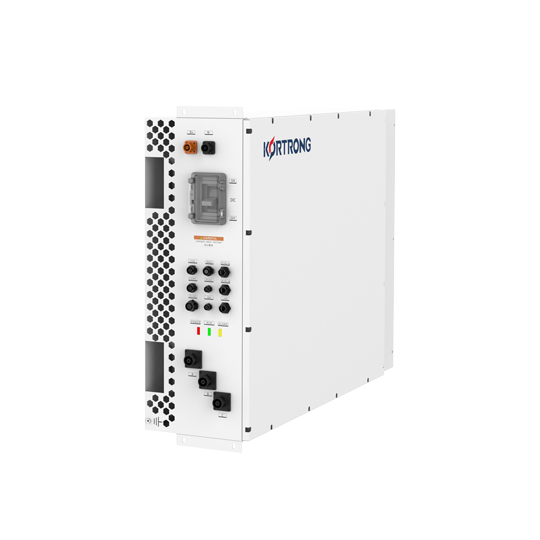
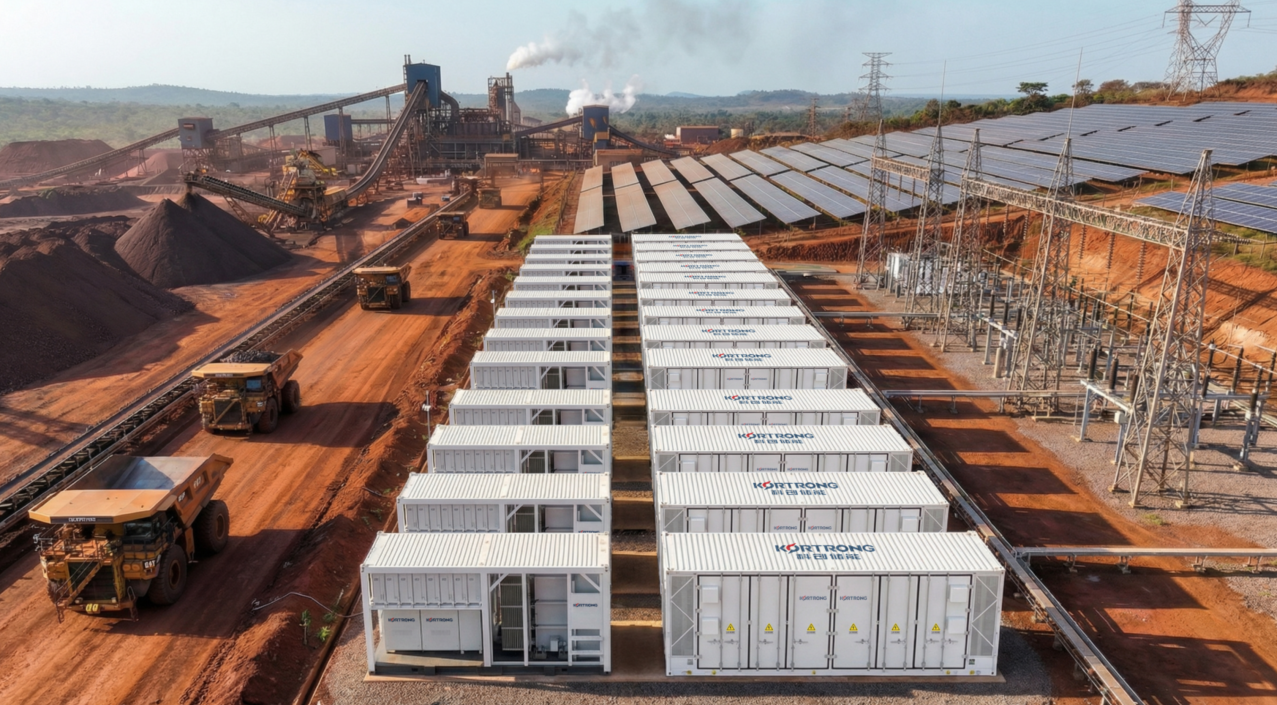
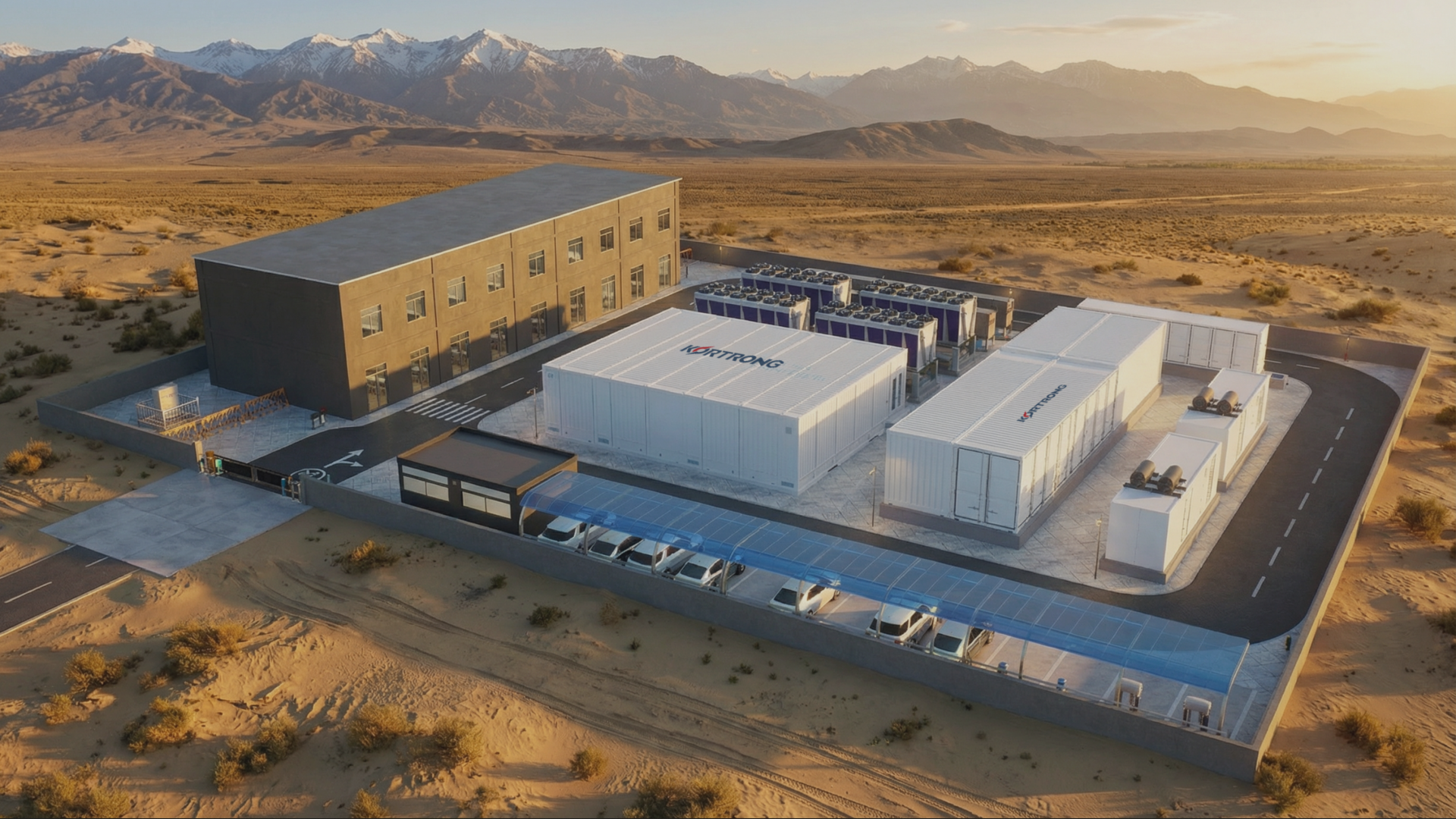
To smash this bottleneck, grid-forming energy storage has emerged as the definitive architectural fix. Embedded within Kortrong’s comprehensive AIDC blueprint, grid-forming systems convert unpredictable, weather-dependent power spikes into highly controllable, dispatchable energy assets. Rather than passively reacting to load fluctuations, Kortrong’s grid-forming technology actively dictates voltage and frequency. This provides critical virtual inertia in weak-grid or off-grid environments, significantly hardening the system's power quality and disturbance immunity to stably insulate dense AI compute clusters.
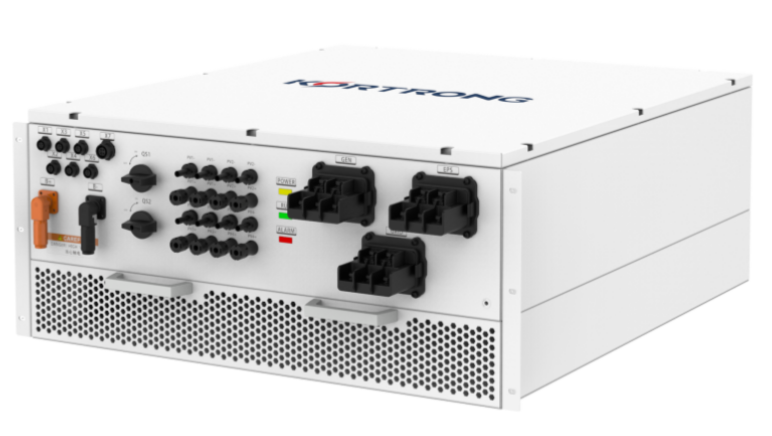
Simultaneously, Kortrong’s direct-supply architecture introduces Solid-State Transformers (SST) to phase out legacy, line-frequency transformers. Powered by advanced high-frequency power electronics, the SST enables dynamic voltage regulation and multi-port AC/DC hybrid coupling. This allows DC solar arrays and energy storage banks to plug directly into the system, drastically flattening the power conversion topology and maximizing end-to-end energy efficiency.
The Kortrong 4-Pillar Blueprint: From Fragmented Hardware to Turnkey Reality
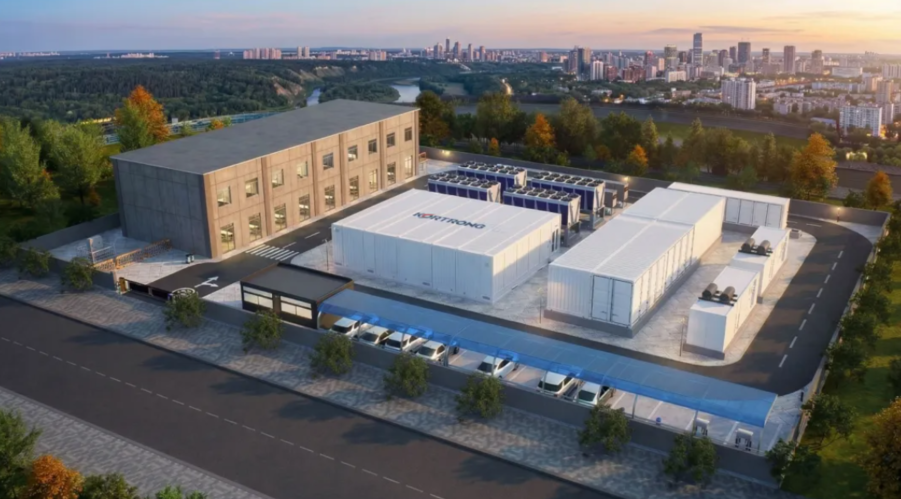
Capitalizing on deep, cross-disciplinary expertise across power electronics, electro-chemical storage, and large-scale system integration, Kortrong delivers a One-Stop Green Power Direct Supply Solution. Encompassing everything from day-one topology design to full-lifecycle operations, the framework is anchored by four highly cohesive execution pillars:
● I. Bespoke Architectural Design (Scenario-First Engineering): We do not copy-paste. Strong-grid deployments are optimized for extreme metering precision and peak efficiency, while weak-grid topologies prioritize resilience, leveraging grid-forming energy storage via advanced dual-mode (on-grid/off-grid) control strategies.
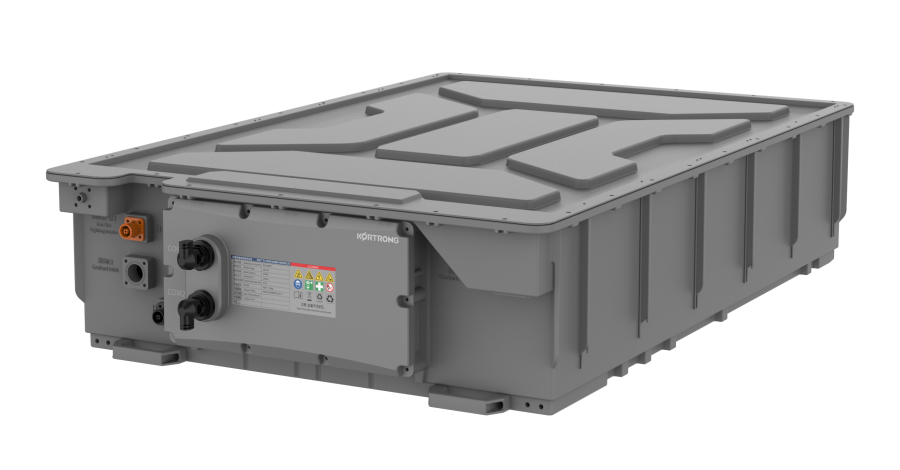
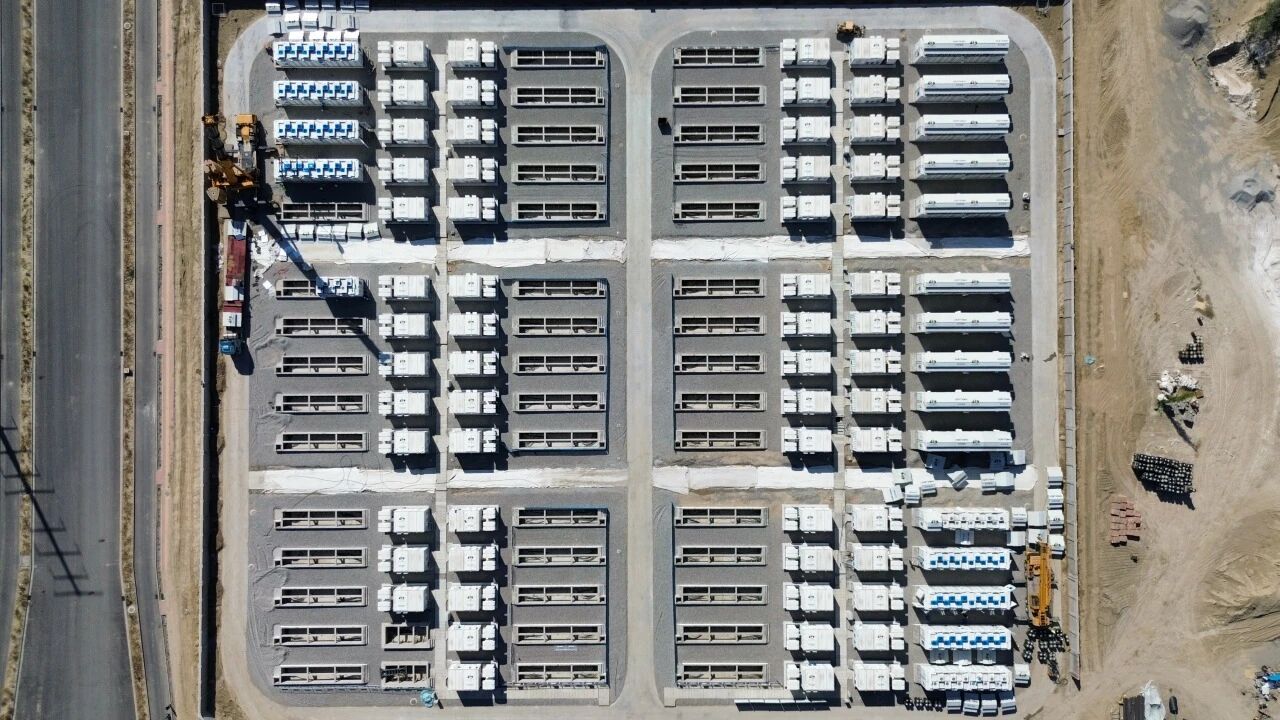
● II. Vertically Integrated Manufacturing (Full-Stack Control): Anchored by our automated gigafactory with an annual capacity exceeding 12GWh, Kortrong guarantees full-chain, in-house product supply. This ensures absolute native compatibility across electrical parameters, control protocols, and sub-millisecond protection coordination, entirely neutralizing the cross-vendor integration risks that plague traditional builds.
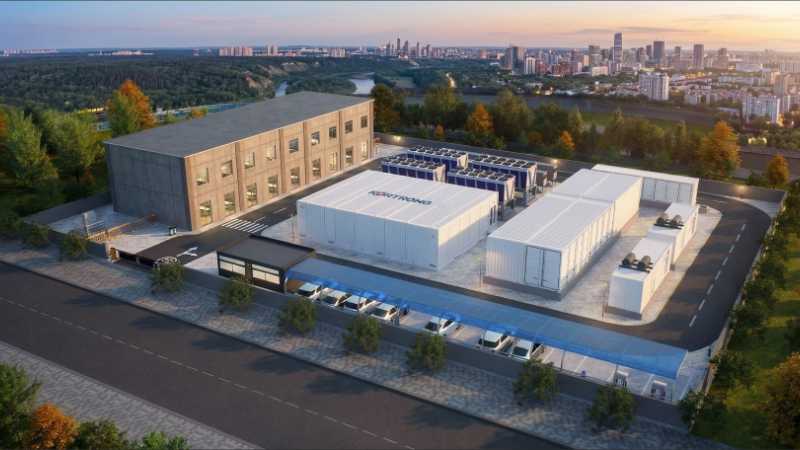
● III. Turnkey EPC Delivery (Unified Deployment): Kortrong assumes total accountability for the engineering, procurement, construction, installation, and commissioning of the entire ecosystem—spanning AIDC server rooms, solar arrays, wind assets, energy storage banks, SST units, and backup diesel generation. Utilizing modular, prefabricated building blocks, we drastically compress site execution timelines.
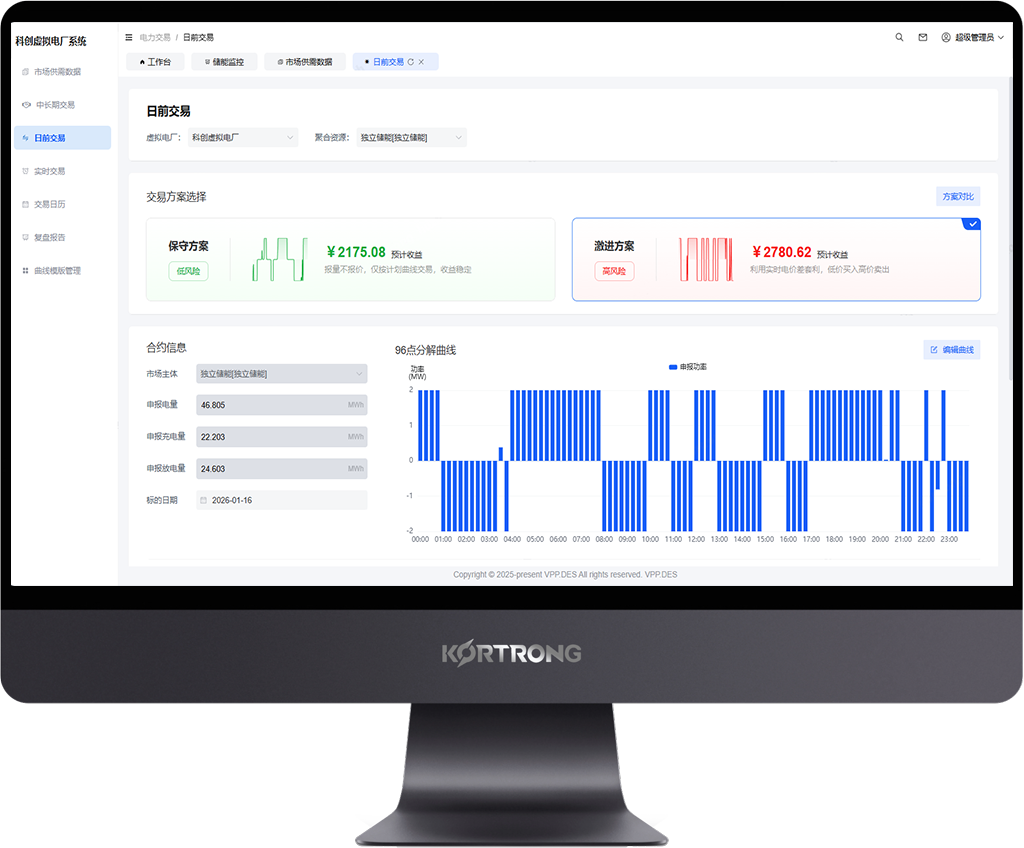
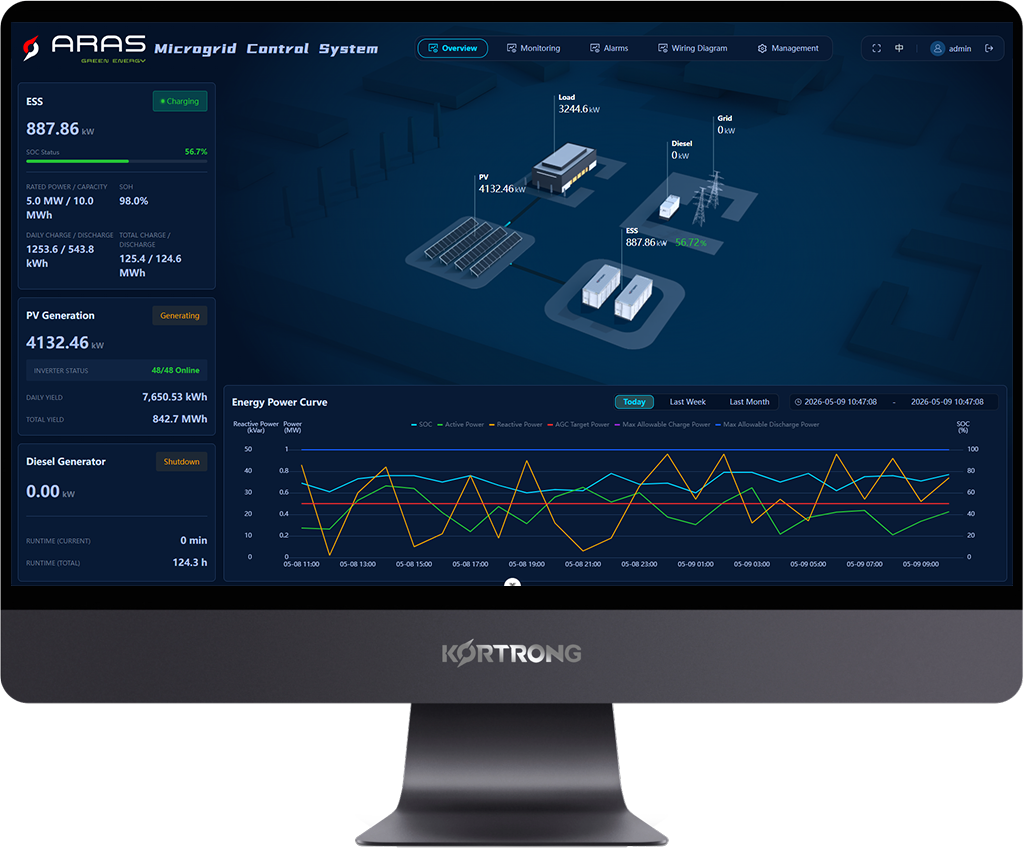
● IV. Intelligent Source-Grid-Load-Storage Orchestration (Real-Time AI Dispatch): Powered by the Kortrong Energy Storage Cloud Platform, the architecture achieves autonomous, closed-loop coordination across generation, grid, load, and storage assets. Proprietary AI algorithms continuously predict source-load volatility, dynamically optimizing energy dispatch profiles in real time.
By matching site realities with bespoke architecture, erasing technical friction via vertical integration, securing execution through turnkey EPC, and maximizing lifetime asset value with smart O&M—Kortrong AIDC answers a highly pragmatic market need: empowering operators to harvest the massive financial and environmental dividends of the green energy era while keeping deployment and uptime risks firmly under control.